Psychology · Similar reads
Books like Phantoms in the Brain: Probing the Mysteries of the Human Mind
The best books like Phantoms in the Brain: Probing the Mysteries of the Human Mind are How Emotions Are Made: The Secret Life of the Brain, The Man Who Mistook His Wife for a Hat, and The Brain That Changes Itself. Phantoms in the Brain: Probing the Mysteries of the Human Mind by V. S. Ramachandran and Sandra Blakeslee is about neuroscience, phantom limbs, brain plasticity. If that's what drew you in, here are 12 books that share its DNA — each summarized on Superbook, and ready to chat with in the app.
- How Emotions Are Made: The Secret Life of the Brain
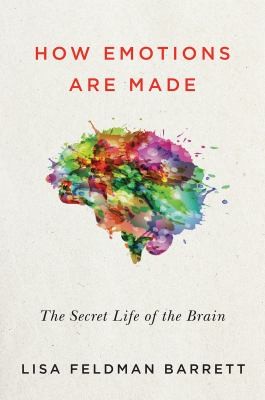
01
How Emotions Are Made: The Secret Life of the Brain
Lisa Feldman Barrett · Psychology
Lisa Feldman Barrett is a neuroscientist and psychologist at Northeastern University who has spent thirty years studying emotion, and her conclusion challenges the most widely held view of what emotions are.
Shares neuroscience and perception with Phantoms in the Brain: Probing the Mysteries of the Human Mind.
Read the summary → - The Man Who Mistook His Wife for a Hat
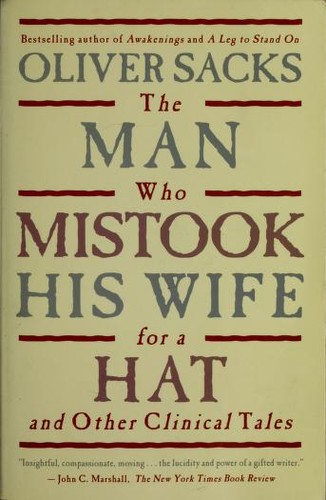
02
The Man Who Mistook His Wife for a Hat
Oliver Sacks · Psychology
Oliver Sacks was a neurologist who thought in stories.
Shares neuroscience and perception with Phantoms in the Brain: Probing the Mysteries of the Human Mind.
Read the summary → - The Brain That Changes Itself
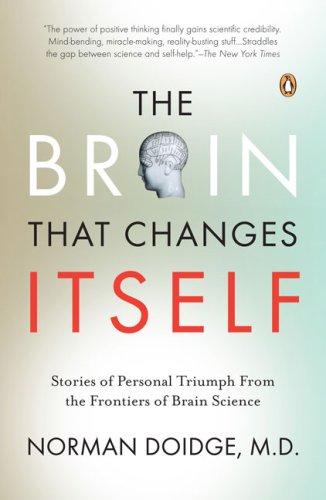
03
Norman Doidge · Psychology
Norman Doidge is a Canadian psychiatrist who traveled to interview the scientists and patients at the frontier of neuroplasticity research in the mid-2000s.
Both dig into perception.
Read the summary →
- Incognito: The Secret Lives of the Brain
04
Incognito: The Secret Lives of the Brain
David Eagleman · Psychology
David Eagleman is a neuroscientist at Stanford who argues that the conscious self is a late, small, and largely uninformed participant in the brain's activity.
Shares neuroscience and consciousness with Phantoms in the Brain: Probing the Mysteries of the Human Mind.
Read the summary → - Descartes' Error: Emotion, Reason, and the Human Brain
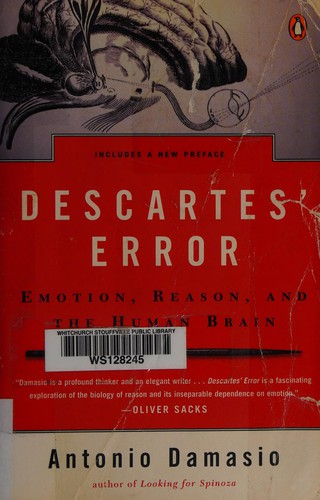
05
Descartes' Error: Emotion, Reason, and the Human Brain
Antonio Damasio · Psychology
Antonio Damasio is a neurologist at USC whose work challenges the centuries-old idea that reason and emotion are separate faculties, with reason the reliable guide and emotion the unreliable interference.
Shares neuroscience and consciousness with Phantoms in the Brain: Probing the Mysteries of the Human Mind.
Read the summary → - The Tell-Tale Brain: A Neuroscientist's Quest for What Makes Us Human
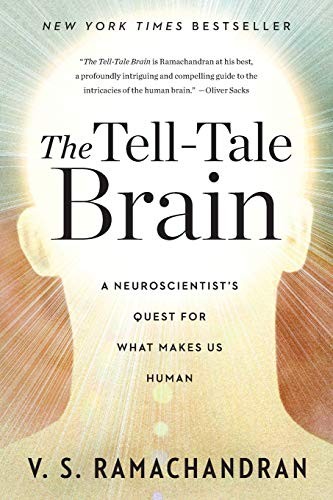
06
The Tell-Tale Brain: A Neuroscientist's Quest for What Makes Us Human
V. S. Ramachandran · Science
The Tell-Tale Brain is V.
Shares neuroscience and perception with Phantoms in the Brain: Probing the Mysteries of the Human Mind.
Read the summary → - Seven and a Half Lessons About the Brain
07
Seven and a Half Lessons About the Brain
Lisa Feldman Barrett · Psychology
Lisa Feldman Barrett wrote this short book — genuinely short at under thirty thousand words — as an accessible introduction to seven core findings of modern neuroscience, each presented as a lesson that overturns something most people believe.
Shares neuroscience and consciousness with Phantoms in the Brain: Probing the Mysteries of the Human Mind.
Read the summary → - The Emotional Life of Your Brain
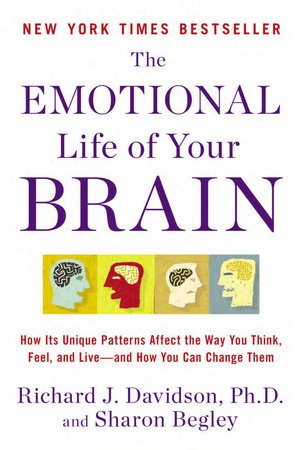
08
The Emotional Life of Your Brain
Richard J. Davidson and Sharon Begley · Psychology
Richard Davidson spent decades in a field where discussing emotions in relation to brain science was considered soft and suspect.
Shares neuroscience and brain plasticity with Phantoms in the Brain: Probing the Mysteries of the Human Mind.
Read the summary → - Consciousness Explained
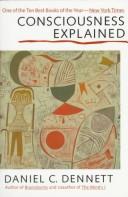
09
Daniel C. Dennett · Philosophy
Consciousness Explained is Daniel Dennett's attempt to replace what he calls the Cartesian Theater — the intuitive picture of consciousness as a single unified stream of experience observed by a self — with a model he calls Multiple Drafts.
Shares neuroscience and consciousness with Phantoms in the Brain: Probing the Mysteries of the Human Mind.
Read the summary → - How the Mind Works
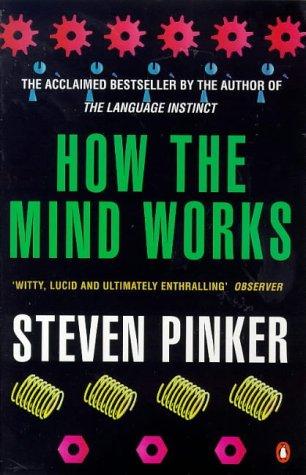
10
Steven Pinker · Science
How the Mind Works is Steven Pinker's synthesis of cognitive science and evolutionary psychology, built around a central thesis: the mind is a computational system — a neural computer — shaped by natural selection to solve the adaptive problems that faced our ancestors on the Pleistocene savanna.
Shares perception and consciousness with Phantoms in the Brain: Probing the Mysteries of the Human Mind.
Read the summary → - How to Change Your Mind
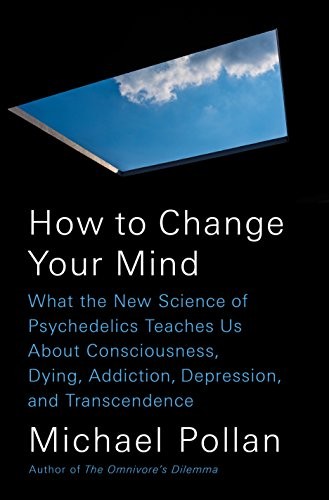
11
Michael Pollan · Science
Michael Pollan came to psychedelics late in life, as a skeptic.
Shares neuroscience and consciousness with Phantoms in the Brain: Probing the Mysteries of the Human Mind.
Read the summary → - How to Create a Mind
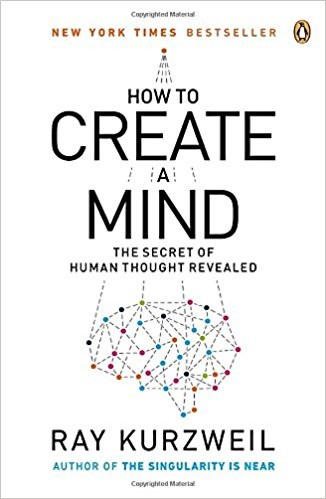
12
Ray Kurzweil · Science
Ray Kurzweil's central claim in How to Create a Mind is that the neocortex — the part of the brain responsible for higher thought — operates on a single repeating algorithm called the pattern recognition theory of mind.
Shares neuroscience and consciousness with Phantoms in the Brain: Probing the Mysteries of the Human Mind.
Read the summary →
Books like Phantoms in the Brain: Probing the Mysteries of the Human Mind: quick answers
What are the best books like Phantoms in the Brain: Probing the Mysteries of the Human Mind?
The best books like Phantoms in the Brain: Probing the Mysteries of the Human Mind by V. S. Ramachandran and Sandra Blakeslee are How Emotions Are Made: The Secret Life of the Brain by Lisa Feldman Barrett, The Man Who Mistook His Wife for a Hat by Oliver Sacks, The Brain That Changes Itself by Norman Doidge, Incognito: The Secret Lives of the Brain by David Eagleman, Descartes' Error: Emotion, Reason, and the Human Brain by Antonio Damasio, plus 7 more below. Each was chosen for themes it shares with Phantoms in the Brain: Probing the Mysteries of the Human Mind, such as neuroscience, phantom limbs, brain plasticity.
What should I read after Phantoms in the Brain: Probing the Mysteries of the Human Mind?
A natural next read after Phantoms in the Brain: Probing the Mysteries of the Human Mind is How Emotions Are Made: The Secret Life of the Brain by Lisa Feldman Barrett. Shares neuroscience and perception with Phantoms in the Brain: Probing the Mysteries of the Human Mind. Other strong choices are The Man Who Mistook His Wife for a Hat by Oliver Sacks, The Brain That Changes Itself by Norman Doidge, Incognito: The Secret Lives of the Brain by David Eagleman.
What books are similar to Phantoms in the Brain: Probing the Mysteries of the Human Mind by V. S. Ramachandran and Sandra Blakeslee?
Phantoms in the Brain: Probing the Mysteries of the Human Mind centers on neuroscience, phantom limbs, brain plasticity. Books with a similar feel include How Emotions Are Made: The Secret Life of the Brain by Lisa Feldman Barrett, The Man Who Mistook His Wife for a Hat by Oliver Sacks, The Brain That Changes Itself by Norman Doidge, Incognito: The Secret Lives of the Brain by David Eagleman, Descartes' Error: Emotion, Reason, and the Human Brain by Antonio Damasio, The Tell-Tale Brain: A Neuroscientist's Quest for What Makes Us Human by V. S. Ramachandran — all free to read and chat with on Superbook.
