Politics · Similar reads
Books like Seeing Like a State
The best books like Seeing Like a State are Antifragile: Things That Gain from Disorder, Thinking in Systems, and The Death of Ivan Ilyich. Seeing Like a State by James C. Scott is about legibility, state power, modernism and planning. If that's what drew you in, here are 12 books that share its DNA — each summarized on Superbook, and ready to chat with in the app.
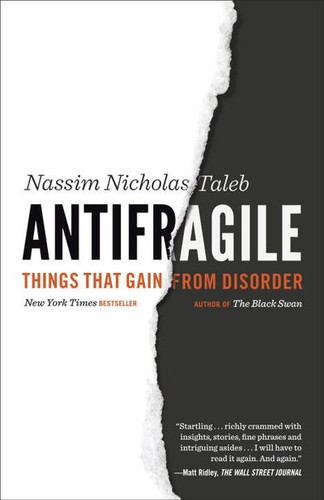
- Antifragile: Things That Gain from Disorder
01
Antifragile: Things That Gain from Disorder
Nassim Nicholas Taleb · Philosophy
Antifragile is Nassim Nicholas Taleb's argument that the opposite of fragile is not robust or resilient — it is antifragile.
A kindred politics read.
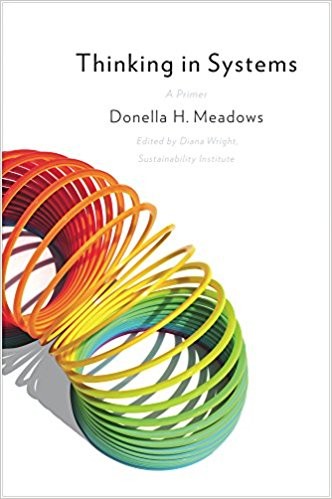
Read the summary → - Thinking in Systems
02
Donella H. Meadows · Science
Thinking in Systems is Donella Meadows's introduction to the discipline of systems thinking — a way of understanding why complex things behave the way they do.
A kindred politics read.
Read the summary → - The Death of Ivan Ilyich

03
Leo Tolstoy · Literary fiction
Ivan Ilyich Golovin is a respectable judge who has lived a decent, conventional, socially approved life — not bad, not good, simply correct.
A kindred politics read.
Read the summary →
- Why Nations Fail: The Origins of Power, Prosperity, and Poverty
04
Why Nations Fail: The Origins of Power, Prosperity, and Poverty
Daron Acemoglu and James A. Robinson · Economics
Daron Acemoglu and James Robinson argue that the fundamental difference between rich and poor countries is not geography, culture, or bad luck.
A kindred politics read.
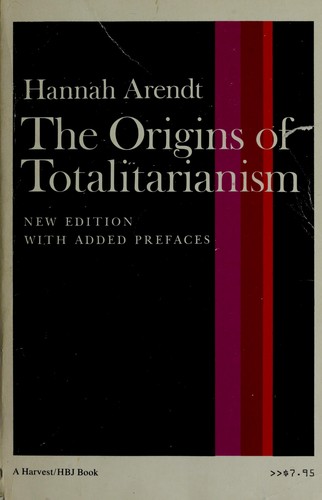
Read the summary → - The Origins of Totalitarianism
05
The Origins of Totalitarianism
Hannah Arendt · History
Hannah Arendt published The Origins of Totalitarianism in 1951, just six years after the end of World War II.
A kindred politics read.
Read the summary → - The Narrow Corridor: States, Societies, and the Fate of Liberty
06
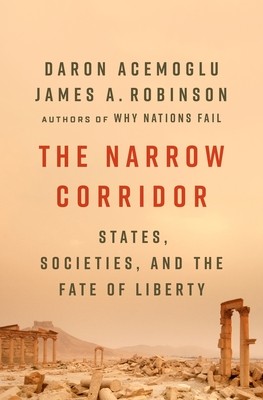
The Narrow Corridor: States, Societies, and the Fate of Liberty
Daron Acemoglu and James A. Robinson · Politics
Daron Acemoglu and James Robinson's follow-up to Why Nations Fail shifts focus from prosperity to liberty.
Both dig into state power.
Read the summary → - Basic Economics: A Common Sense Guide to the Economy
07
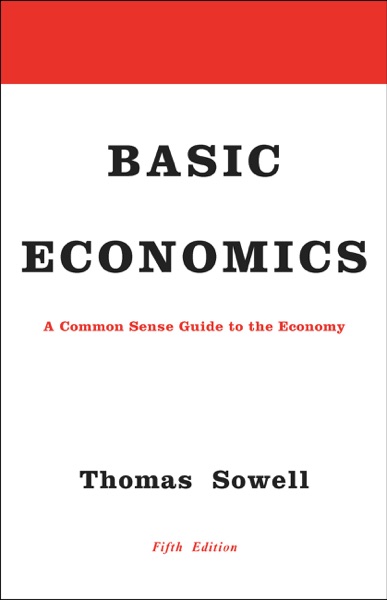
Basic Economics: A Common Sense Guide to the Economy
Thomas Sowell · Economics
Thomas Sowell published the first edition of Basic Economics in 2000 and has since revised and expanded it through five editions.
Both dig into unintended consequences.
Read the summary → - Economics in One Lesson
08
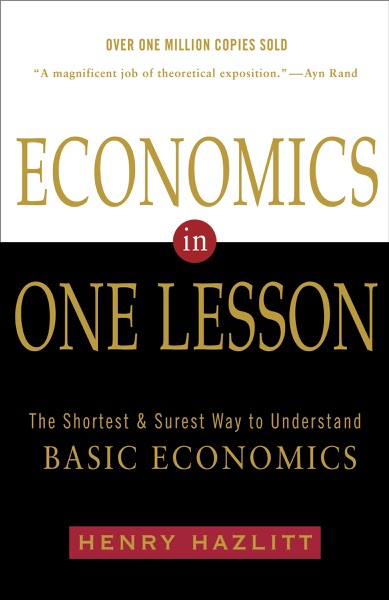
Henry Hazlitt · Economics
Henry Hazlitt wrote Economics in One Lesson in 1946, based on a single insight he credited to the nineteenth-century French economist Frédéric Bastiat: the difference between a good economist and a bad economist is that the good economist considers the effects of a policy on all groups, not just the immediately visible beneficiaries, and over the long run, not just the immediate term.
Both dig into unintended consequences.
Read the summary → - Freakonomics
09
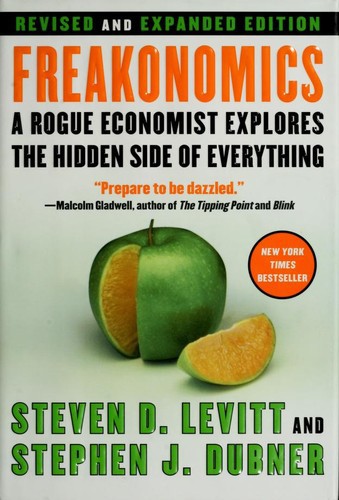
Steven D. Levitt and Stephen J. Dubner · Economics
Freakonomics is economist Steven Levitt and journalist Stephen Dubner's argument that economics — properly understood as the study of incentives — can explain things that look, on the surface, like they have nothing to do with money.
Both dig into unintended consequences.
Read the summary → - How We Got to Now
10
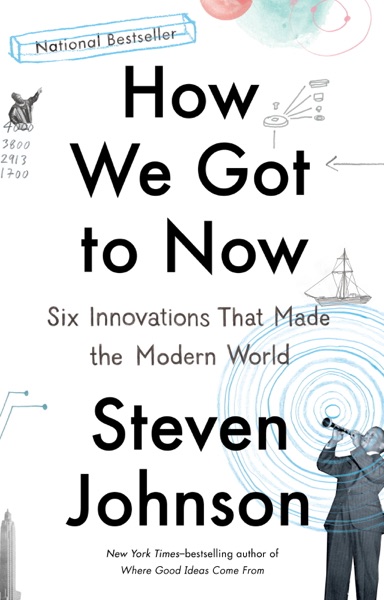
Steven Johnson · History
How We Got to Now traces six innovations — glass, cold, sound, clean, time, and light — and follows each one through unexpected chains of consequence into the present.
Both dig into unintended consequences.
Read the summary → - Hate, Inc.

- How Democracies Die
12
Steven Levitsky and Daniel Ziblatt · Politics
Steven Levitsky and Daniel Ziblatt are Harvard comparative politics scholars who have spent their careers studying how democracies break down in Latin America and Europe.
A kindred politics read.
Read the summary →
Books like Seeing Like a State: quick answers
What are the best books like Seeing Like a State?
The best books like Seeing Like a State by James C. Scott are Antifragile: Things That Gain from Disorder by Nassim Nicholas Taleb, Thinking in Systems by Donella H. Meadows, The Death of Ivan Ilyich by Leo Tolstoy, Why Nations Fail: The Origins of Power, Prosperity, and Poverty by Daron Acemoglu and James A. Robinson, The Origins of Totalitarianism by Hannah Arendt, plus 7 more below. Each was chosen for themes it shares with Seeing Like a State, such as legibility, state power, modernism and planning.
What should I read after Seeing Like a State?
A natural next read after Seeing Like a State is Antifragile: Things That Gain from Disorder by Nassim Nicholas Taleb. A kindred politics read. Other strong choices are Thinking in Systems by Donella H. Meadows, The Death of Ivan Ilyich by Leo Tolstoy, Why Nations Fail: The Origins of Power, Prosperity, and Poverty by Daron Acemoglu and James A. Robinson.
What books are similar to Seeing Like a State by James C. Scott?
Seeing Like a State centers on legibility, state power, modernism and planning. Books with a similar feel include Antifragile: Things That Gain from Disorder by Nassim Nicholas Taleb, Thinking in Systems by Donella H. Meadows, The Death of Ivan Ilyich by Leo Tolstoy, Why Nations Fail: The Origins of Power, Prosperity, and Poverty by Daron Acemoglu and James A. Robinson, The Origins of Totalitarianism by Hannah Arendt, The Narrow Corridor: States, Societies, and the Fate of Liberty by Daron Acemoglu and James A. Robinson — all free to read and chat with on Superbook.
