Psychology · Similar reads
Books like Social: Why Our Brains Are Wired to Connect
The best books like Social: Why Our Brains Are Wired to Connect are Born a Crime: Stories from a South African Childhood, Emotional Intelligence, and How Emotions Are Made: The Secret Life of the Brain. Social: Why Our Brains Are Wired to Connect by Matthew D. Lieberman is about social neuroscience, connection, empathy. If that's what drew you in, here are 12 books that share its DNA — each summarized on Superbook, and ready to chat with in the app.
- Born a Crime: Stories from a South African Childhood
01
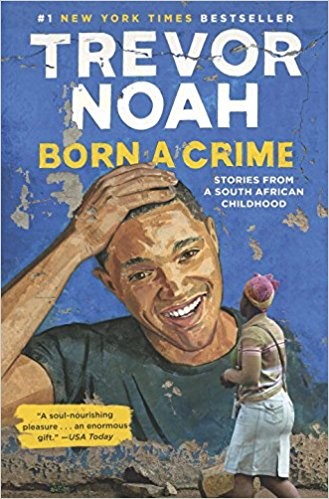
Born a Crime: Stories from a South African Childhood
Trevor Noah · Memoir
Born a Crime is Trevor Noah's memoir about growing up mixed-race in South Africa during the final years of apartheid and its chaotic aftermath.
Both dig into belonging.
Read the summary → - Emotional Intelligence
02
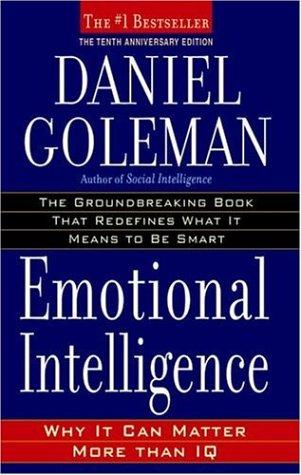
Daniel Goleman · Psychology
Daniel Goleman's Emotional Intelligence, published in 1995, made a widely influential argument: that the cluster of abilities involved in managing emotions — self-awareness, self-regulation, empathy, and social skill — predicts life outcomes at least as well as IQ, and possibly better in many domains.
Both dig into empathy.
Read the summary → - How Emotions Are Made: The Secret Life of the Brain
03
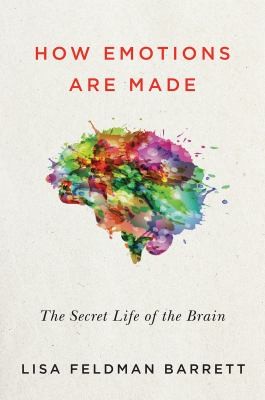
How Emotions Are Made: The Secret Life of the Brain
Lisa Feldman Barrett · Psychology
Lisa Feldman Barrett is a neuroscientist and psychologist at Northeastern University who has spent thirty years studying emotion, and her conclusion challenges the most widely held view of what emotions are.
A kindred psychology read.
Read the summary →
- The Social Animal
04
Elliot Aronson · Psychology
Elliot Aronson is one of the most influential social psychologists in the history of the field, and The Social Animal, first published in 1972 and now in its twelfth edition, is the textbook introduction to social psychology that has shaped how generations of students think about human behavior.
A kindred psychology read.
Read the summary → - The Happiness Hypothesis
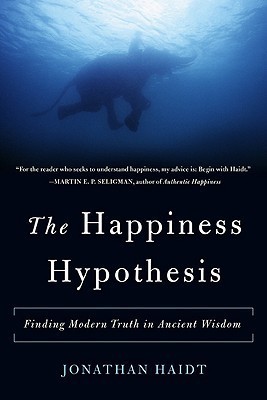
05
Jonathan Haidt · Psychology
Jonathan Haidt is a social psychologist at NYU who spent the early part of his career studying morality and happiness, and this book — published in 2006, before his work on political psychology brought him wider attention — synthesizes ancient philosophical wisdom with modern psychological research.
A kindred psychology read.
Read the summary → - Social Intelligence: The New Science of Human Relationships
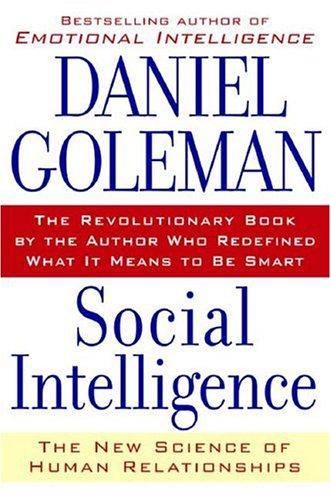
06
Social Intelligence: The New Science of Human Relationships
Daniel Goleman · Psychology
Daniel Goleman's follow-up to Emotional Intelligence shifts focus from the inner world to the social.
Shares social neuroscience and empathy with Social: Why Our Brains Are Wired to Connect.
Read the summary → - Against Empathy: The Case for Rational Compassion
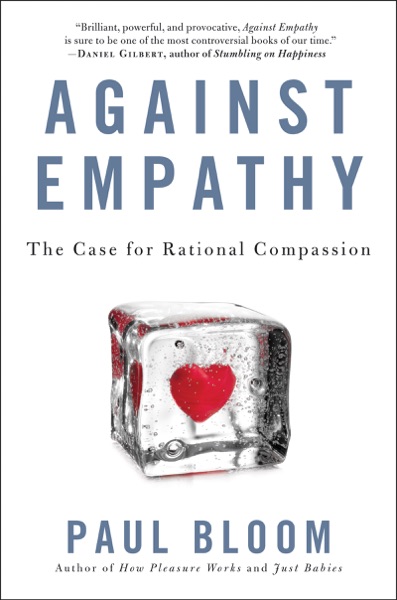
07
Against Empathy: The Case for Rational Compassion
Paul Bloom · Psychology
Paul Bloom's argument is not that we should care less about others.
Both dig into empathy.
Read the summary → - Atlas of the Heart
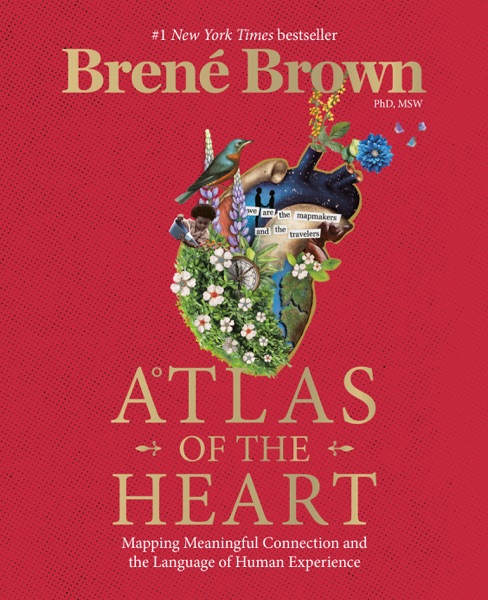
08
Brené Brown · Psychology
Atlas of the Heart is Brené Brown's attempt to map eighty-seven distinct human emotions and experiences — not as a clinical taxonomy but as a practical vocabulary for people who want to communicate more precisely about what they feel.
Both dig into connection.
Read the summary → - Good Inside: A Guide to Becoming the Parent You Want to Be
09
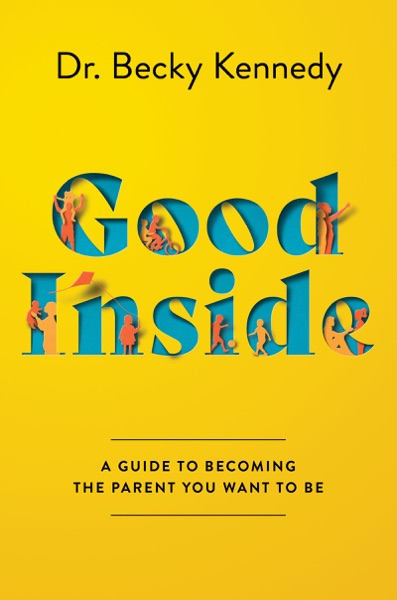
Good Inside: A Guide to Becoming the Parent You Want to Be
Becky Kennedy · Psychology
Good Inside is clinical psychologist Becky Kennedy's guide to a parenting philosophy built around one central premise: children are fundamentally good inside, and difficult behaviors are not character flaws or manipulation but signals of unmet needs or underdeveloped skills.
Both dig into connection.
Read the summary → - I Thought It Was Just Me (but it isn't)
10
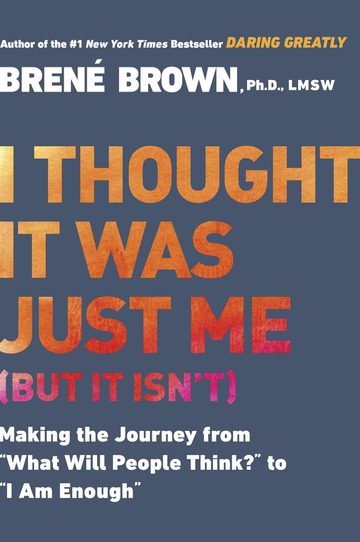
I Thought It Was Just Me (but it isn't)
Brené Brown · Psychology
I Thought It Was Just Me is Brené Brown's first major book, written from her research on shame as a social scientist.
Both dig into connection.
Read the summary → - Just Babies: The Origins of Good and Evil
11
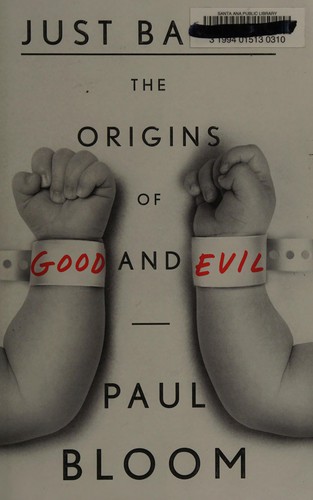
Just Babies: The Origins of Good and Evil
Paul Bloom · Psychology
Paul Bloom's central question is how much morality is innate versus learned.
Both dig into empathy.
Read the summary → - On Becoming a Person: A Therapist's View of Psychotherapy
12
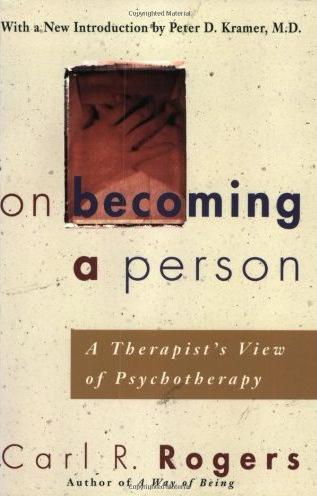
On Becoming a Person: A Therapist's View of Psychotherapy
Carl R. Rogers · Psychology
Carl Rogers wrote this book in 1961 as an attempt to communicate his therapeutic approach to readers outside the consulting room.
Both dig into empathy.
Read the summary →
Books like Social: Why Our Brains Are Wired to Connect: quick answers
What are the best books like Social: Why Our Brains Are Wired to Connect?
The best books like Social: Why Our Brains Are Wired to Connect by Matthew D. Lieberman are Born a Crime: Stories from a South African Childhood by Trevor Noah, Emotional Intelligence by Daniel Goleman, How Emotions Are Made: The Secret Life of the Brain by Lisa Feldman Barrett, The Social Animal by Elliot Aronson, The Happiness Hypothesis by Jonathan Haidt, plus 7 more below. Each was chosen for themes it shares with Social: Why Our Brains Are Wired to Connect, such as social neuroscience, connection, empathy.
What should I read after Social: Why Our Brains Are Wired to Connect?
A natural next read after Social: Why Our Brains Are Wired to Connect is Born a Crime: Stories from a South African Childhood by Trevor Noah. Both dig into belonging. Other strong choices are Emotional Intelligence by Daniel Goleman, How Emotions Are Made: The Secret Life of the Brain by Lisa Feldman Barrett, The Social Animal by Elliot Aronson.
What books are similar to Social: Why Our Brains Are Wired to Connect by Matthew D. Lieberman?
Social: Why Our Brains Are Wired to Connect centers on social neuroscience, connection, empathy. Books with a similar feel include Born a Crime: Stories from a South African Childhood by Trevor Noah, Emotional Intelligence by Daniel Goleman, How Emotions Are Made: The Secret Life of the Brain by Lisa Feldman Barrett, The Social Animal by Elliot Aronson, The Happiness Hypothesis by Jonathan Haidt, Social Intelligence: The New Science of Human Relationships by Daniel Goleman — all free to read and chat with on Superbook.
