Science · Similar reads
Books like The Art of Doing Science and Engineering
The best books like The Art of Doing Science and Engineering are Surely You're Joking, Mr. Feynman!, Mastery, and Range: Why Generalists Triumph in a Specialized World. The Art of Doing Science and Engineering by Richard Hamming is about learning, problem-solving, creativity. If that's what drew you in, here are 12 books that share its DNA — each summarized on Superbook, and ready to chat with in the app.
- Surely You're Joking, Mr. Feynman!
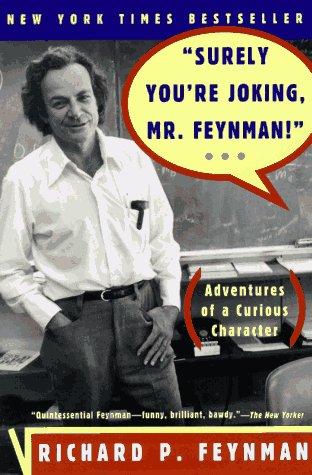
01
Surely You're Joking, Mr. Feynman!
Richard P. Feynman · Memoir
Surely You're Joking, Mr.
Shares learning and problem-solving with The Art of Doing Science and Engineering.
Read the summary → - Mastery
02
Robert Greene · Self-help
Mastery is Robert Greene's long account of how extraordinary human mastery develops — from childhood inclinations through apprenticeship through creative independence to the integration that characterizes true mastery.
Shares learning and creativity with The Art of Doing Science and Engineering.
Read the summary → - Range: Why Generalists Triumph in a Specialized World
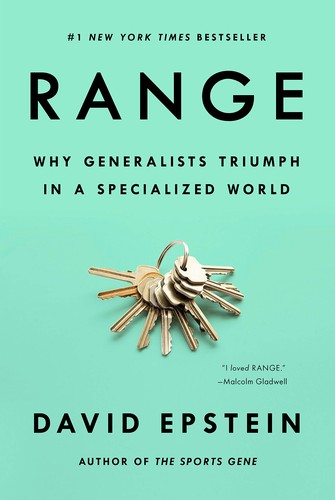
03
Range: Why Generalists Triumph in a Specialized World
David Epstein · Science
Range is David Epstein's argument against the ten-thousand-hours gospel.
Shares learning and creativity with The Art of Doing Science and Engineering.
Read the summary →
- Peak: Secrets from the New Science of Expertise
04
Peak: Secrets from the New Science of Expertise
Anders Ericsson and Robert Pool · Science
Peak is Anders Ericsson's definitive account of deliberate practice — the specific type of focused, feedback-driven training that, more than any other factor, determines how expert people become in demanding fields.
Both dig into learning.
Read the summary → - Deep Work
05
Cal Newport · Self-help
Deep Work is Cal Newport's case that the ability to focus without distraction on a cognitively demanding task is becoming both rarer and more valuable, and that people who cultivate it will thrive while everyone else stays stuck in shallow busywork.
A kindred science read.
Read the summary → - Subtract: The Untapped Science of Less
06
Subtract: The Untapped Science of Less
Leidy Klotz · Science
Subtract is built on a finding from Leidy Klotz's research at the University of Virginia: when people are asked to improve something, they default overwhelmingly to addition.
Shares problem-solving and creativity with The Art of Doing Science and Engineering.
Read the summary → - Making Music: 74 Creative Strategies for Electronic Music Producers

07
Making Music: 74 Creative Strategies for Electronic Music Producers
Dennis DeSantis · Self-help
Making Music is Dennis DeSantis's catalog of seventy-four specific problems that electronic music producers encounter, paired with concrete strategies for addressing each one.
Shares problem-solving and creativity with The Art of Doing Science and Engineering.
Read the summary → - Hackers: Heroes of the Computer Revolution
08
Hackers: Heroes of the Computer Revolution
Steven Levy · Science
Hackers: Heroes of the Computer Revolution is Steven Levy's account of the community of computer enthusiasts who drove the digital revolution from the late 1950s through the early 1980s — the original hackers of MIT's Tech Model Railroad Club and later AI lab, the hardware hackers of the Bay Area Homebrew Computer Club, and the software entrepreneurs who built the early PC industry.
Both dig into creativity.
Read the summary → - Make It Stick
09
Peter C. Brown, Henry L. Roediger and Mark A. McDaniel · Science
Make It Stick is a book about how memory actually works, and why the study techniques most people rely on — re-reading, highlighting, massed practice — are among the least effective ways to learn.
Both dig into learning.
Read the summary → - Moonwalking with Einstein
10
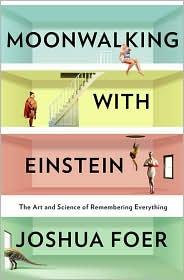
Joshua Foer · Science
Moonwalking with Einstein is Joshua Foer's account of spending a year training for and winning the United States Memory Championship, beginning as a journalist covering the event and ending as its champion.
Both dig into learning.
Read the summary → - Rest: Why You Get More Done When You Work Less
11
Rest: Why You Get More Done When You Work Less
Alex Soojung-Kim Pang · Science
Rest makes a case that most of what we think of as productive work is actually counterproductive when pushed past certain thresholds, and that deliberate, well-structured rest is not the opposite of work but a necessary component of it.
Both dig into creativity.
Read the summary → - The Extended Mind
12
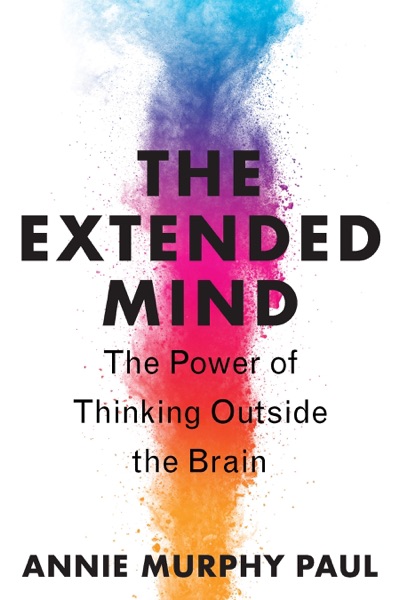
Annie Murphy Paul · Science
The Extended Mind is Annie Murphy Paul's argument that the brain is not the only seat of cognition.
Both dig into learning.
Read the summary →
Books like The Art of Doing Science and Engineering: quick answers
What are the best books like The Art of Doing Science and Engineering?
The best books like The Art of Doing Science and Engineering by Richard Hamming are Surely You're Joking, Mr. Feynman! by Richard P. Feynman, Mastery by Robert Greene, Range: Why Generalists Triumph in a Specialized World by David Epstein, Peak: Secrets from the New Science of Expertise by Anders Ericsson and Robert Pool, Deep Work by Cal Newport, plus 7 more below. Each was chosen for themes it shares with The Art of Doing Science and Engineering, such as learning, problem-solving, creativity.
What should I read after The Art of Doing Science and Engineering?
A natural next read after The Art of Doing Science and Engineering is Surely You're Joking, Mr. Feynman! by Richard P. Feynman. Shares learning and problem-solving with The Art of Doing Science and Engineering. Other strong choices are Mastery by Robert Greene, Range: Why Generalists Triumph in a Specialized World by David Epstein, Peak: Secrets from the New Science of Expertise by Anders Ericsson and Robert Pool.
What books are similar to The Art of Doing Science and Engineering by Richard Hamming?
The Art of Doing Science and Engineering centers on learning, problem-solving, creativity. Books with a similar feel include Surely You're Joking, Mr. Feynman! by Richard P. Feynman, Mastery by Robert Greene, Range: Why Generalists Triumph in a Specialized World by David Epstein, Peak: Secrets from the New Science of Expertise by Anders Ericsson and Robert Pool, Deep Work by Cal Newport, Subtract: The Untapped Science of Less by Leidy Klotz — all free to read and chat with on Superbook.
