Psychology · Similar reads
Books like The Laws of Human Nature
The best books like The Laws of Human Nature are Mastery, The Elephant in the Brain: Hidden Motives in Everyday Life, and Influence: The Psychology of Persuasion. The Laws of Human Nature by Robert Greene is about human nature, social dynamics, self-knowledge. If that's what drew you in, here are 12 books that share its DNA — each summarized on Superbook, and ready to chat with in the app.
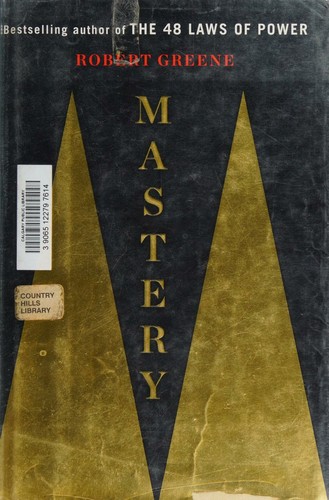
- Mastery
01
Robert Greene · Self-help
Mastery is Robert Greene's long account of how extraordinary human mastery develops — from childhood inclinations through apprenticeship through creative independence to the integration that characterizes true mastery.
Greene's own companion volume: Laws of Human Nature teaches you to read other people, Mastery teaches you to build yourself — both through the same patient study of history's exemplars.
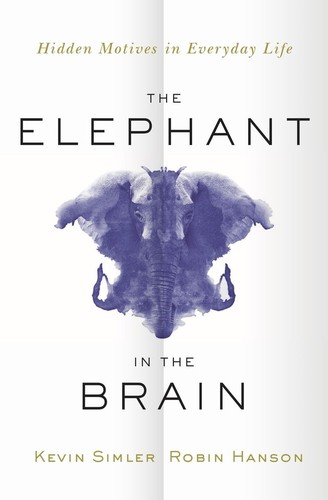
Read the summary → - The Elephant in the Brain: Hidden Motives in Everyday Life
02
The Elephant in the Brain: Hidden Motives in Everyday Life
Kevin Simler and Robin Hanson · Psychology
Kevin Simler and Robin Hanson argue that human behavior is much more self-interested and much less high-minded than the explanations people give for it.
Hanson and Simler argue most of our motives stay hidden even from ourselves — the exact gap between stated reasons and real drivers that Greene builds his entire book around.
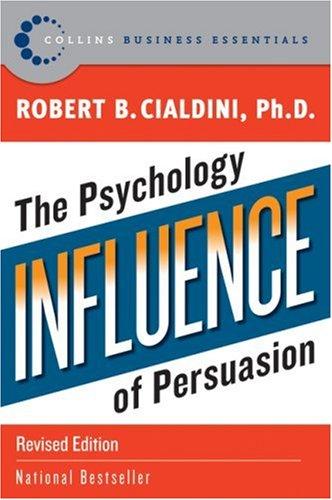
Read the summary → - Influence: The Psychology of Persuasion
03
Influence: The Psychology of Persuasion
Robert B. Cialdini · Psychology
Influence is Robert Cialdini's account of why people say yes, and how that agreement is manufactured.
Robert Cialdini catalogs the triggers — reciprocity, scarcity, social proof — that move people without their noticing, giving lab-tested structure to Greene's laws of covetousness and the herd instinct.
Read the summary →
- The Prince

04
Niccolò Machiavelli · Philosophy
The Prince is Machiavelli's short treatise on how to acquire, hold, and exercise political power.
Greene calls his own method Machiavellian; here is the source. Machiavelli studies how people actually behave rather than how they ought to, the same unsentimental lens Greene adopts.
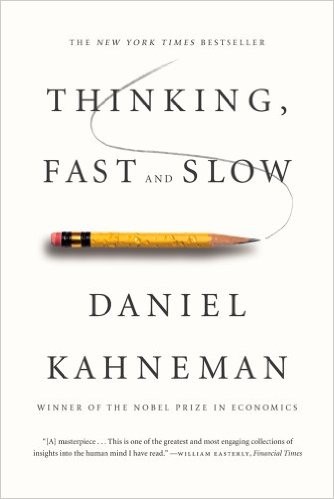
Read the summary → - Thinking, Fast and Slow
05
Daniel Kahneman · Psychology
Thinking, Fast and Slow is Daniel Kahneman's account of the two cognitive systems that govern human thought.
Where Greene asserts that rationality is the exception, Daniel Kahneman proves it — System 1's fast, biased intuitions are the machinery behind the irrationality of Greene's first law.
Read the summary → - Never Split the Difference
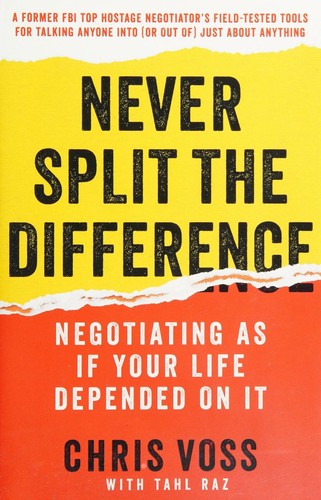
06
Chris Voss · Business
Never Split the Difference is Chris Voss's argument that the rational, compromise-based negotiation frameworks taught in business schools miss something fundamental about how people actually make decisions.
Chris Voss calls it tactical empathy: modeling what the other side truly feels in order to move them. It is Greene's strategic empathy rendered as an FBI hostage negotiator's field manual.
Read the summary → - Mistakes Were Made (But Not by Me)
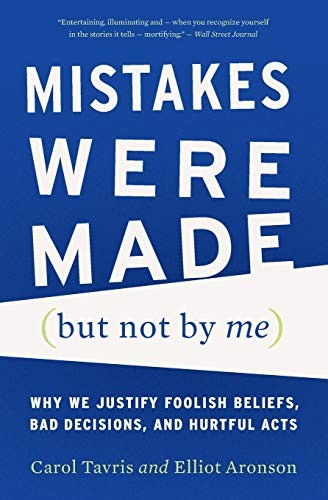
07
Mistakes Were Made (But Not by Me)
Carol Tavris and Elliot Aronson · Psychology
Carol Tavris and Elliot Aronson wrote this book about the mechanisms by which people protect their sense of themselves as competent, moral, and well-intentioned after they have done something that contradicts that self-image.
Tavris and Aronson dissect self-justification — the mind's refusal to see its own errors — which is Greene's shadow self observed from the cognitive-dissonance side.
Read the summary → - Pre-Suasion: A Revolutionary Way to Influence and Persuade
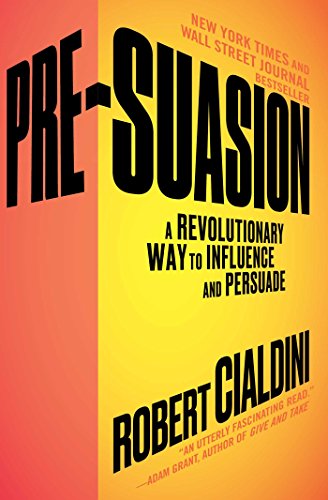
08
Pre-Suasion: A Revolutionary Way to Influence and Persuade
Robert B. Cialdini · Psychology
Robert Cialdini spent decades studying the principles of persuasion that animate Influence, his 1984 masterwork.
Cialdini's sequel on the moment before the pitch: attention channeled and desire primed before persuasion begins. It systematizes Greene's law that withholding makes people covet.
Read the summary → - How to Win Friends and Influence People
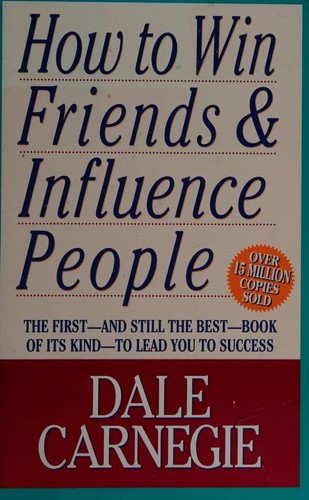
09
How to Win Friends and Influence People
Dale Carnegie · Self-help
How to Win Friends and Influence People is Dale Carnegie's 1936 guide to dealing with people effectively.
Dale Carnegie's warmer, sunnier take on the same subject — handling people by appealing to their self-interest and vanity — makes a bracing contrast to Greene's colder strategic realism.
Read the summary → - The Righteous Mind: Why Good People Are Divided by Politics and Religion
10
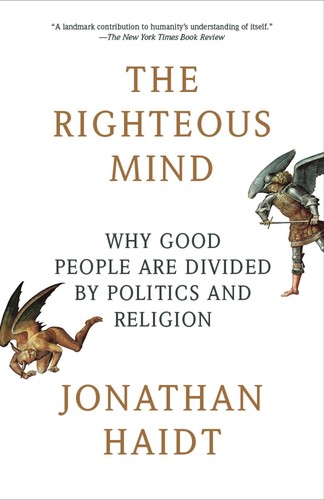
The Righteous Mind: Why Good People Are Divided by Politics and Religion
Jonathan Haidt · Psychology
The Righteous Mind is Jonathan Haidt's argument that moral reasoning is not the source of our moral judgments — it's the press secretary for them.
Jonathan Haidt shows moral reasoning is mostly the rider justifying the elephant's intuitions, echoing Greene on the tribal, emotional impulses that steer us beneath our stated principles.
Read the summary → - Meditations

11
Marcus Aurelius · Philosophy
Meditations is not a book Marcus Aurelius wrote for anyone to read.
Marcus Aurelius flips the project inward: instead of maneuvering others, govern your own reactions — a Stoic counterweight to Greene's outward-facing reading of human nature.
Read the summary → - Man's Search for Meaning
12
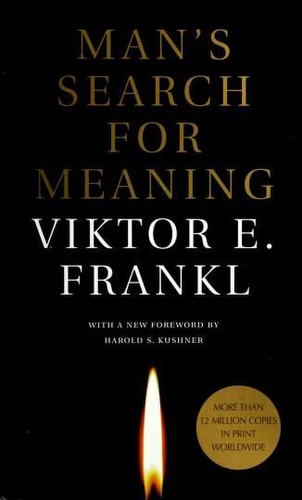
Viktor E. Frankl · Psychology
Man's Search for Meaning is Viktor Frankl's account of his years as a prisoner in Nazi concentration camps, including Auschwitz, and the psychological theory he developed from that experience.
Viktor Frankl's counterpoint to Greene's status-and-emotion account of what drives us: the deepest human motive, forged in a concentration camp, is the search for meaning.
Read the summary →
Books like The Laws of Human Nature: quick answers
What are the best books like The Laws of Human Nature?
The best books like The Laws of Human Nature by Robert Greene are Mastery by Robert Greene, The Elephant in the Brain: Hidden Motives in Everyday Life by Kevin Simler and Robin Hanson, Influence: The Psychology of Persuasion by Robert B. Cialdini, The Prince by Niccolò Machiavelli, Thinking, Fast and Slow by Daniel Kahneman, plus 7 more below. Each was chosen for themes it shares with The Laws of Human Nature, such as human nature, social dynamics, self-knowledge.
What should I read after The Laws of Human Nature?
A natural next read after The Laws of Human Nature is Mastery by Robert Greene. Greene's own companion volume: Laws of Human Nature teaches you to read other people, Mastery teaches you to build yourself — both through the same patient study of history's exemplars. Other strong choices are The Elephant in the Brain: Hidden Motives in Everyday Life by Kevin Simler and Robin Hanson, Influence: The Psychology of Persuasion by Robert B. Cialdini, The Prince by Niccolò Machiavelli.
What books are similar to The Laws of Human Nature by Robert Greene?
The Laws of Human Nature centers on human nature, social dynamics, self-knowledge. Books with a similar feel include Mastery by Robert Greene, The Elephant in the Brain: Hidden Motives in Everyday Life by Kevin Simler and Robin Hanson, Influence: The Psychology of Persuasion by Robert B. Cialdini, The Prince by Niccolò Machiavelli, Thinking, Fast and Slow by Daniel Kahneman, Never Split the Difference by Chris Voss — all free to read and chat with on Superbook.
