Philosophy · Similar reads
Books like The Mind's I
The best books like The Mind's I are Consciousness Explained, The Emperor's New Mind, and Other Minds: The Octopus, the Sea, and the Deep Origins of Consciousness. The Mind's I by Douglas Hofstadter & Daniel Dennett is about consciousness, identity, artificial intelligence. If that's what drew you in, here are 12 books that share its DNA — each summarized on Superbook, and ready to chat with in the app.
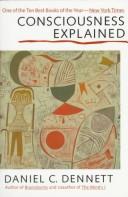
- Consciousness Explained
01
Daniel C. Dennett · Philosophy
Consciousness Explained is Daniel Dennett's attempt to replace what he calls the Cartesian Theater — the intuitive picture of consciousness as a single unified stream of experience observed by a self — with a model he calls Multiple Drafts.
Shares consciousness and philosophy of mind with The Mind's I.
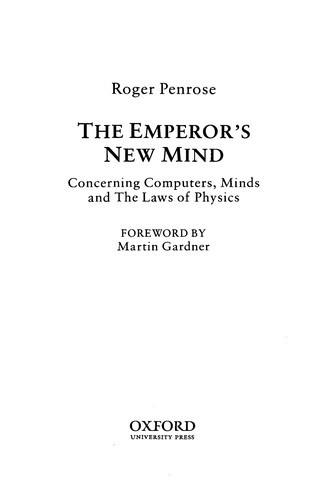
Read the summary → - The Emperor's New Mind
02
Roger Penrose · Science
The Emperor's New Mind is Roger Penrose's argument that human consciousness cannot be reproduced by any computational device — that the mind is not, in the relevant sense, a computer — and that understanding consciousness will require fundamental advances in physics, particularly in reconciling quantum mechanics with general relativity.
Shares consciousness and artificial intelligence with The Mind's I.
Read the summary → - Other Minds: The Octopus, the Sea, and the Deep Origins of Consciousness
03
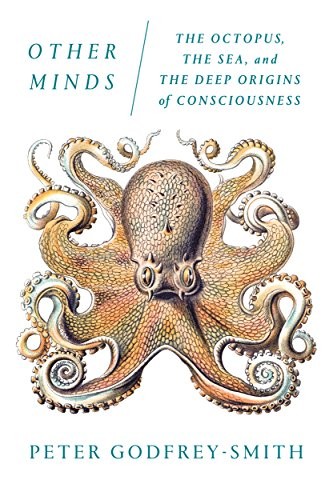
Other Minds: The Octopus, the Sea, and the Deep Origins of Consciousness
Peter Godfrey-Smith · Science
Peter Godfrey-Smith is a philosopher of science and a scuba diver who began spending time with octopuses off the coast of Sydney, and Other Minds is the result of that dual perspective.
Shares consciousness and philosophy of mind with The Mind's I.
Read the summary →
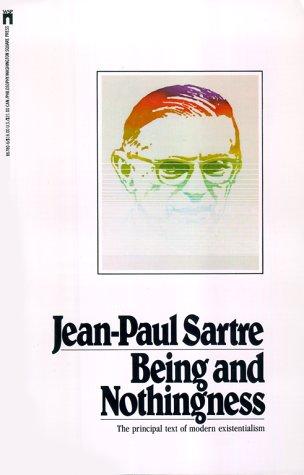
- Being and Nothingness
04
Jean-Paul Sartre · Philosophy
Being and Nothingness is Sartre's major philosophical treatise and the founding text of French existentialism.
Both dig into consciousness.
Read the summary → - Gödel, Escher, Bach
05
Douglas Hofstadter · Science
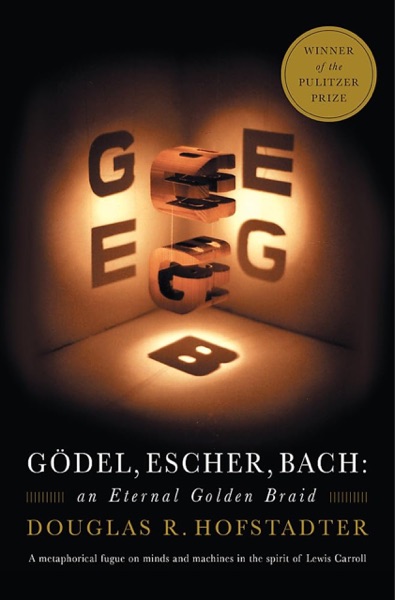
Douglas Hofstadter's Pulitzer Prize-winning debut, published in 1979, asks how meaning can arise from formal rules — how a biological machine can think, feel, and experience self-awareness.
Shares consciousness and artificial intelligence with The Mind's I.
Read the summary → - Intuition Pumps and Other Tools for Thinking
06
Intuition Pumps and Other Tools for Thinking
Daniel Dennett · Philosophy
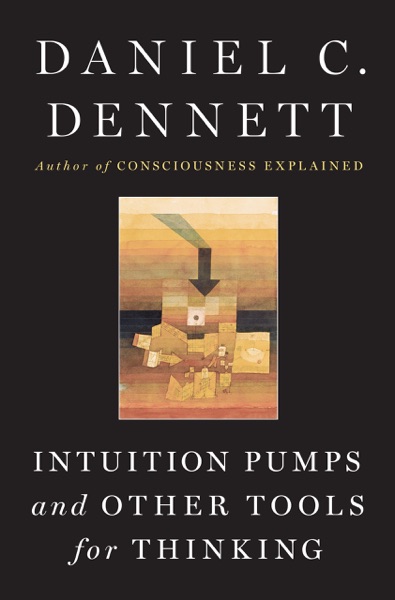
Intuition Pumps and Other Tools for Thinking is Daniel Dennett's handbook for thinking well — a collection of seventy-odd conceptual tools assembled across a long career in philosophy of mind, cognitive science, and evolutionary theory.
Shares consciousness and philosophy of mind with The Mind's I.
Read the summary → - Sum: Forty Tales from the Afterlives
07
Sum: Forty Tales from the Afterlives
David Eagleman · Philosophy
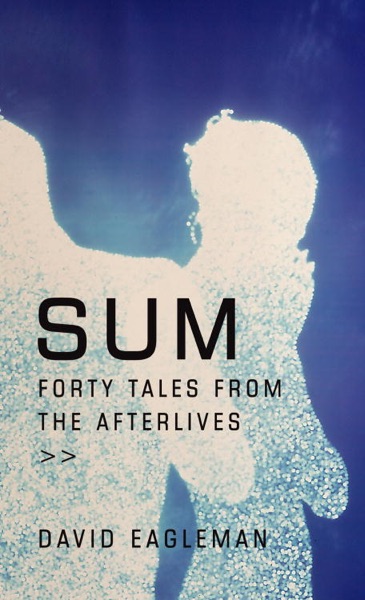
Sum: Forty Tales from the Afterlives is a collection of forty short, fictional vignettes, each imagining a different version of what happens after death.
Shares consciousness and identity with The Mind's I.
Read the summary → - The Book: On the Taboo Against Knowing Who You Are
08
The Book: On the Taboo Against Knowing Who You Are
Alan Watts · Philosophy
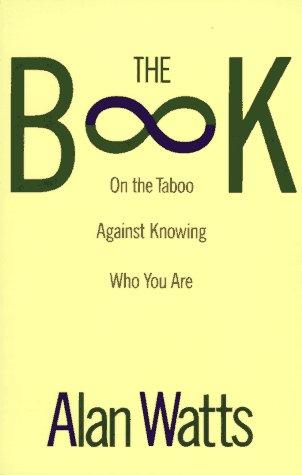
The Book, published in 1966, is Alan Watts's most direct attempt to explain the central illusion he spent his career examining: the belief that each of us is a separate self, enclosed in skin, confronting an alien world.
Shares consciousness and identity with The Mind's I.
Read the summary → - The Wisdom of Insecurity

09
Alan Watts · Philosophy
The Wisdom of Insecurity, published in 1951, is Alan Watts's argument that the anxiety pervading modern life is a direct consequence of the attempt to find permanent security in an impermanent world.
Shares consciousness and identity with The Mind's I.
Read the summary → - How to Create a Mind
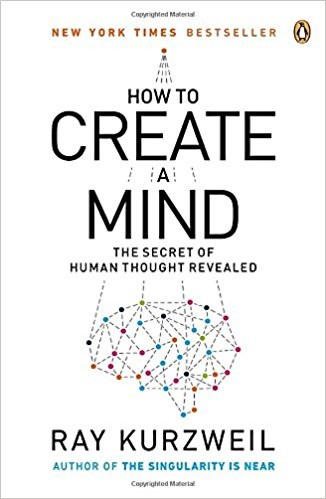
10
Ray Kurzweil · Science
Ray Kurzweil's central claim in How to Create a Mind is that the neocortex — the part of the brain responsible for higher thought — operates on a single repeating algorithm called the pattern recognition theory of mind.
Shares consciousness and artificial intelligence with The Mind's I.
Read the summary → - Life 3.0: Being Human in the Age of Artificial Intelligence
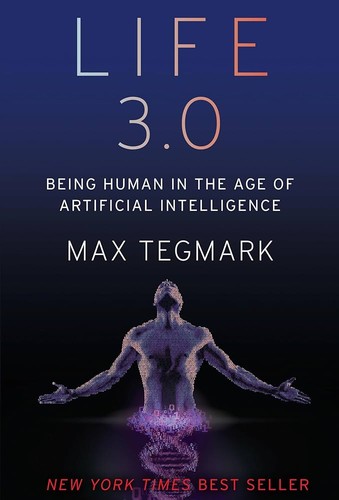
11
Life 3.0: Being Human in the Age of Artificial Intelligence
Max Tegmark · Science
Life 3.0 is Max Tegmark's accessible survey of the questions raised by the prospect of human-level and superhuman artificial intelligence: What are the plausible paths to AGI?
Shares consciousness and artificial intelligence with The Mind's I.
Read the summary → - Ulysses
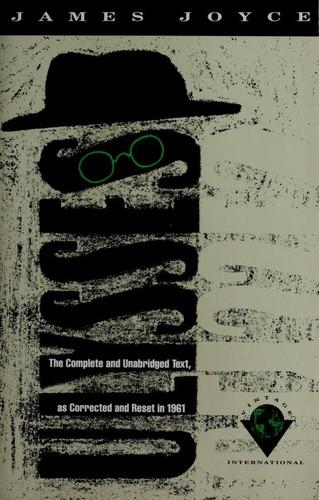
12
James Joyce · Literary fiction
Ulysses takes place on a single day — June 16, 1904 — in Dublin, following three characters: Leopold Bloom, an advertising canvasser; his wife Molly; and Stephen Dedalus, the young writer from A Portrait of the Artist as a Young Man.
Shares consciousness and identity with The Mind's I.
Read the summary →
Books like The Mind's I: quick answers
What are the best books like The Mind's I?
The best books like The Mind's I by Douglas Hofstadter & Daniel Dennett are Consciousness Explained by Daniel C. Dennett, The Emperor's New Mind by Roger Penrose, Other Minds: The Octopus, the Sea, and the Deep Origins of Consciousness by Peter Godfrey-Smith, Being and Nothingness by Jean-Paul Sartre, Gödel, Escher, Bach by Douglas Hofstadter, plus 7 more below. Each was chosen for themes it shares with The Mind's I, such as consciousness, identity, artificial intelligence.
What should I read after The Mind's I?
A natural next read after The Mind's I is Consciousness Explained by Daniel C. Dennett. Shares consciousness and philosophy of mind with The Mind's I. Other strong choices are The Emperor's New Mind by Roger Penrose, Other Minds: The Octopus, the Sea, and the Deep Origins of Consciousness by Peter Godfrey-Smith, Being and Nothingness by Jean-Paul Sartre.
What books are similar to The Mind's I by Douglas Hofstadter & Daniel Dennett?
The Mind's I centers on consciousness, identity, artificial intelligence. Books with a similar feel include Consciousness Explained by Daniel C. Dennett, The Emperor's New Mind by Roger Penrose, Other Minds: The Octopus, the Sea, and the Deep Origins of Consciousness by Peter Godfrey-Smith, Being and Nothingness by Jean-Paul Sartre, Gödel, Escher, Bach by Douglas Hofstadter, Intuition Pumps and Other Tools for Thinking by Daniel Dennett — all free to read and chat with on Superbook.
