Economics · Similar reads
Books like The New Contrarian Investment Strategy
The best books like The New Contrarian Investment Strategy are The Intelligent Investor, Thinking, Fast and Slow, and Misbehaving: The Making of Behavioral Economics. The New Contrarian Investment Strategy by David Dreman is about contrarian investing, behavioral finance, value investing. If that's what drew you in, here are 12 books that share its DNA — each summarized on Superbook, and ready to chat with in the app.
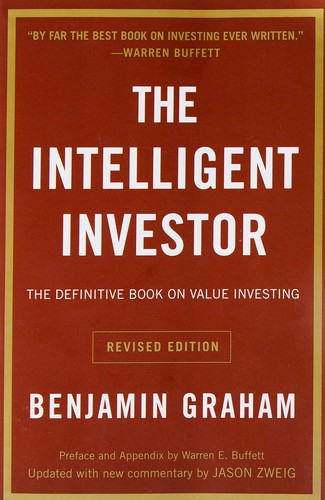
- The Intelligent Investor
01
Benjamin Graham · Economics
The Intelligent Investor is Benjamin Graham's case that successful investing has less to do with picking the right stocks than with managing your own behavior.
Shares behavioral finance and value investing with The New Contrarian Investment Strategy.
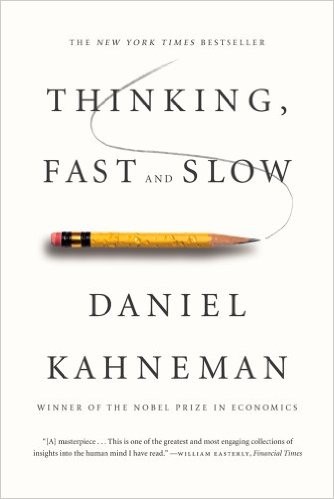
Read the summary → - Thinking, Fast and Slow
02
Daniel Kahneman · Psychology
Thinking, Fast and Slow is Daniel Kahneman's account of the two cognitive systems that govern human thought.
A kindred economics read.
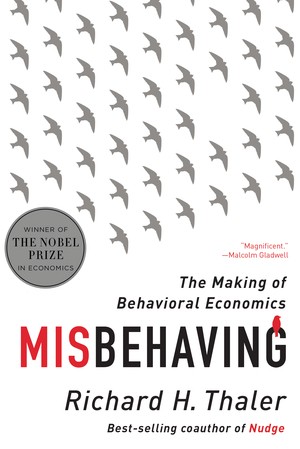
Read the summary → - Misbehaving: The Making of Behavioral Economics
03
Misbehaving: The Making of Behavioral Economics
Richard H. Thaler · Psychology
Richard Thaler is one of the founders of behavioral economics, the field that took the anomalies in standard economic theory seriously rather than dismissing them as noise.
A kindred economics read.
Read the summary →
- A Random Walk Down Wall Street
04
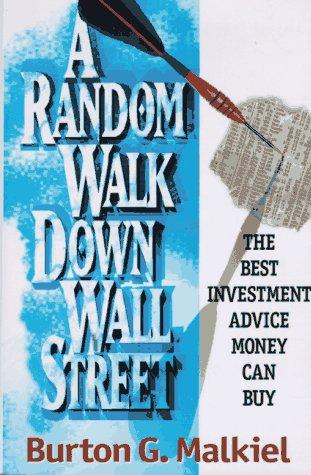
A Random Walk Down Wall Street
Burton G. Malkiel · Economics
A Random Walk Down Wall Street is Burton Malkiel's argument that stock prices move in a way that is effectively unpredictable, that professional fund managers cannot consistently beat the market, and that the rational response for most investors is to buy and hold a diversified index fund.
Both dig into behavioral finance.
Read the summary → - The Little Book of Behavioral Investing
05
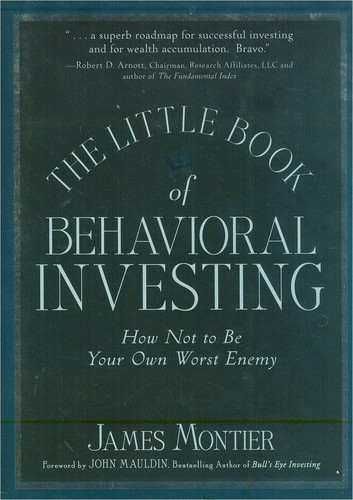
The Little Book of Behavioral Investing
James Montier · Economics
The Little Book of Behavioral Investing is James Montier's tour through the cognitive traps that cause intelligent, well-intentioned investors to consistently underperform.
Both dig into behavioral finance.
Read the summary → - The Aggressive Conservative Investor
06
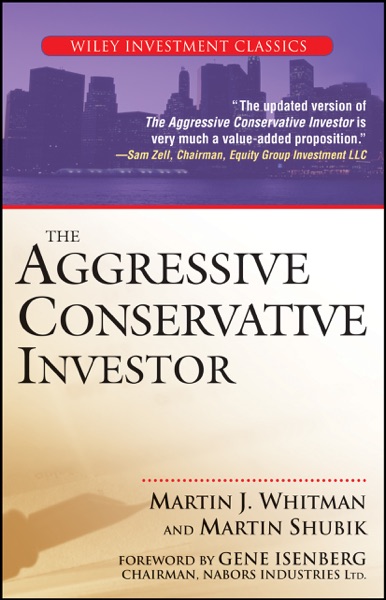
The Aggressive Conservative Investor
Martin J. Whitman, Martin Shubik & Gene Isenberg · Economics
The Aggressive Conservative Investor lays out Martin Whitman's distinctive approach to securities analysis, which he developed over decades as a distressed-debt investor and fund manager before founding Third Avenue Management.
Shares contrarian investing and value investing with The New Contrarian Investment Strategy.
Read the summary → - The Little Book of Value Investing
07
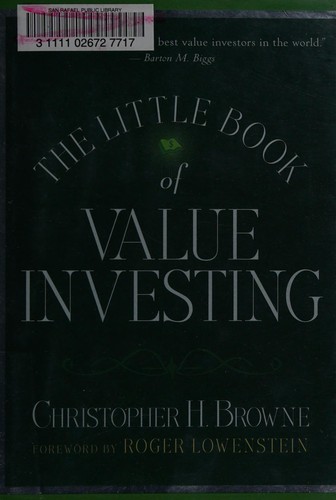
The Little Book of Value Investing
Christopher H. Browne · Economics
The Little Book of Value Investing is Christopher Browne's distillation of the Graham-and-Dodd value investing approach for a general audience.
Shares behavioral finance and value investing with The New Contrarian Investment Strategy.
Read the summary → - A Wealth of Common Sense
08
Ben Carlson · Economics
A Wealth of Common Sense is Ben Carlson's argument that individual investors outperform most professionals not by being smarter but by doing fewer things and making fewer mistakes.
Both dig into behavioral finance.
Read the summary → - Buffettology
09
Mary Buffett · Economics
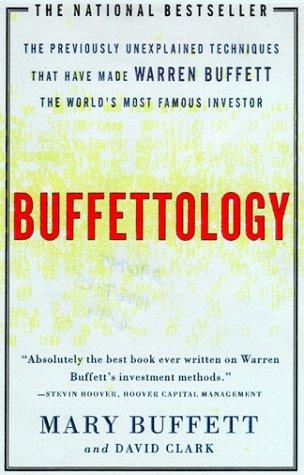
Buffettology is Mary Buffett and David Clark's attempt to systematize Warren Buffett's investment approach by working backward from decisions he made over several decades.
Both dig into value investing.
Read the summary → - How a Second Grader Beats Wall Street
10
How a Second Grader Beats Wall Street
Allan Roth · Economics
How a Second Grader Beats Wall Street is Allan Roth's argument that a portfolio simple enough for a child to manage will, over time, outperform the vast majority of professionally managed money.
Both dig into behavioral finance.
Read the summary → - Just Keep Buying
11
Nick Maggiulli · Economics
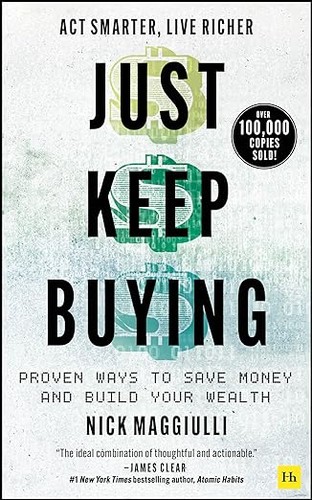
Just Keep Buying is Nick Maggiulli's data-driven answer to the two central questions of personal finance: how much should you save, and how should you invest it?
Both dig into behavioral finance.
Read the summary → - Margin of Safety
12
Seth Klarman · Economics
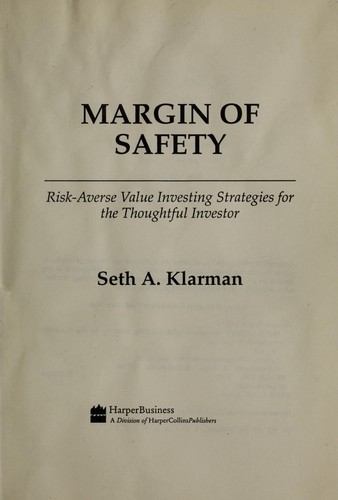
Margin of Safety is Seth Klarman's 1991 treatise on value investing, subtitled "Risk-Averse Value Investing Strategies for the Thoughtful Investor." The book has never been reprinted and used copies sell for hundreds to thousands of dollars, giving it a near-mythical status among serious investors.
Both dig into value investing.
Read the summary →
Books like The New Contrarian Investment Strategy: quick answers
What are the best books like The New Contrarian Investment Strategy?
The best books like The New Contrarian Investment Strategy by David Dreman are The Intelligent Investor by Benjamin Graham, Thinking, Fast and Slow by Daniel Kahneman, Misbehaving: The Making of Behavioral Economics by Richard H. Thaler, A Random Walk Down Wall Street by Burton G. Malkiel, The Little Book of Behavioral Investing by James Montier, plus 7 more below. Each was chosen for themes it shares with The New Contrarian Investment Strategy, such as contrarian investing, behavioral finance, value investing.
What should I read after The New Contrarian Investment Strategy?
A natural next read after The New Contrarian Investment Strategy is The Intelligent Investor by Benjamin Graham. Shares behavioral finance and value investing with The New Contrarian Investment Strategy. Other strong choices are Thinking, Fast and Slow by Daniel Kahneman, Misbehaving: The Making of Behavioral Economics by Richard H. Thaler, A Random Walk Down Wall Street by Burton G. Malkiel.
What books are similar to The New Contrarian Investment Strategy by David Dreman?
The New Contrarian Investment Strategy centers on contrarian investing, behavioral finance, value investing. Books with a similar feel include The Intelligent Investor by Benjamin Graham, Thinking, Fast and Slow by Daniel Kahneman, Misbehaving: The Making of Behavioral Economics by Richard H. Thaler, A Random Walk Down Wall Street by Burton G. Malkiel, The Little Book of Behavioral Investing by James Montier, The Aggressive Conservative Investor by Martin J. Whitman, Martin Shubik & Gene Isenberg — all free to read and chat with on Superbook.
