Psychology · Similar reads
Books like The Time Paradox
The best books like The Time Paradox are Thinking, Fast and Slow, Stumbling on Happiness, and Four Thousand Weeks: Time Management for Mortals. The Time Paradox by Philip Zimbardo and John Boyd is about time perspective, decision-making, behavior. If that's what drew you in, here are 12 books that share its DNA — each summarized on Superbook, and ready to chat with in the app.
- Thinking, Fast and Slow
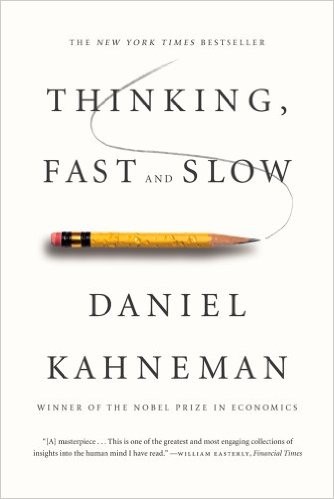
01
Daniel Kahneman · Psychology
Thinking, Fast and Slow is Daniel Kahneman's account of the two cognitive systems that govern human thought.
Both dig into decision-making.
Read the summary → - Stumbling on Happiness
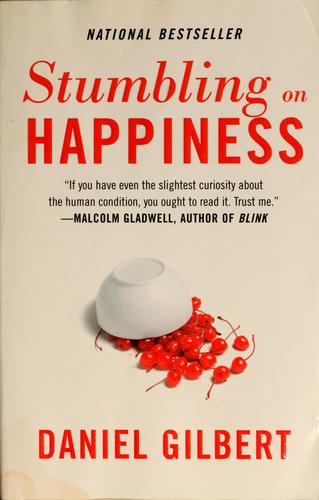
02
Daniel Gilbert · Psychology
Daniel Gilbert is a Harvard psychologist whose central finding, after decades of studying affective forecasting, is that humans are systematically wrong about what will make them happy.
Both dig into well-being.
Read the summary → - Four Thousand Weeks: Time Management for Mortals
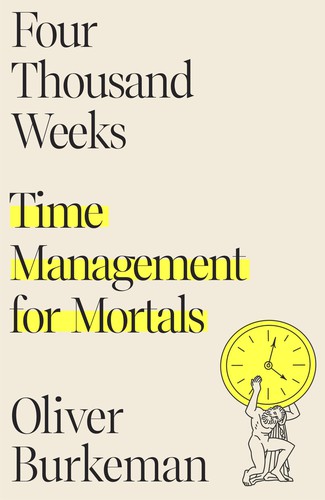
03
Four Thousand Weeks: Time Management for Mortals
Oliver Burkeman · Self-help
Four Thousand Weeks is Oliver Burkeman's philosophical attack on the entire project of time management as it is usually practiced.
A kindred psychology read.
Read the summary →
- The Happiness Hypothesis
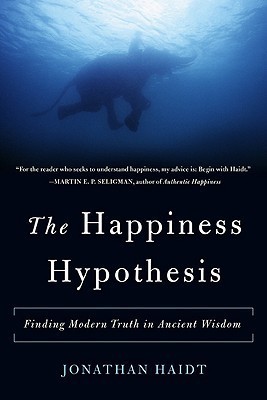
04
Jonathan Haidt · Psychology
Jonathan Haidt is a social psychologist at NYU who spent the early part of his career studying morality and happiness, and this book — published in 2006, before his work on political psychology brought him wider attention — synthesizes ancient philosophical wisdom with modern psychological research.
A kindred psychology read.
Read the summary → - Happy City
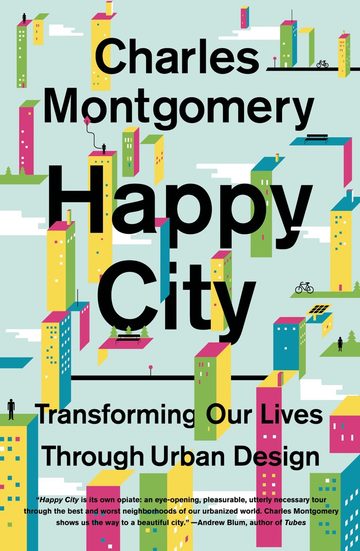
05
Charles Montgomery · Science
Happy City is Charles Montgomery's investigation into the relationship between the design of cities and the psychological well-being of their inhabitants.
Shares psychology and well-being with The Time Paradox.
Read the summary → - 100 Things Every Designer Needs to Know About People
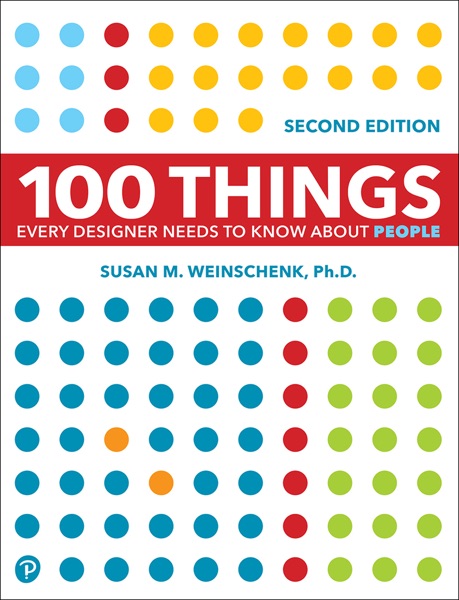
06
100 Things Every Designer Needs to Know About People
Susan Weinschenk · Psychology
Susan Weinschenk is a behavioral scientist and UX consultant, and this book is her translation of cognitive science research into practical guidance for designers.
Both dig into behavior.
Read the summary → - Against Empathy: The Case for Rational Compassion
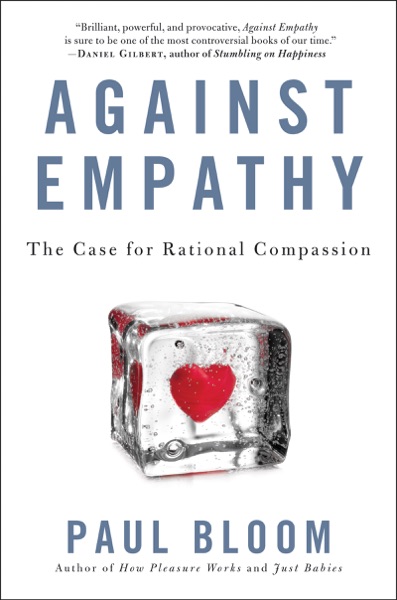
07
Against Empathy: The Case for Rational Compassion
Paul Bloom · Psychology
Paul Bloom's argument is not that we should care less about others.
Both dig into decision-making.
Read the summary → - Algorithms to Live By: The Computer Science of Human Decisions
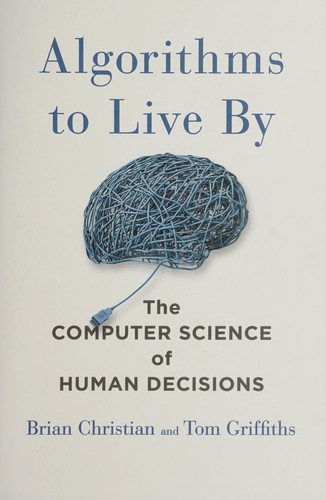
08
Algorithms to Live By: The Computer Science of Human Decisions
Brian Christian and Tom Griffiths · Psychology
Brian Christian is a writer and Tom Griffiths is a cognitive scientist, and together they argue that computer science has worked out rigorous solutions to many of the problems humans face every day — when to stop searching for a better option, how to manage your schedule, how to sort your memory — and that these solutions are both interesting and useful.
Both dig into decision-making.
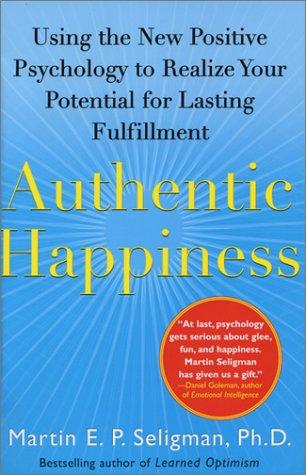
Read the summary → - Authentic Happiness
09
Martin E. P. Seligman · Psychology
Authentic Happiness is Martin Seligman's founding statement of positive psychology — the scientific study of what makes life worth living.
Both dig into well-being.
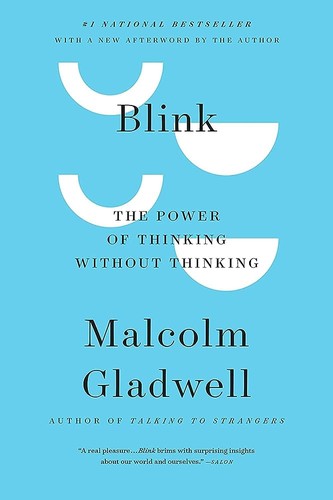
Read the summary → - Blink: The Power of Thinking Without Thinking
10
Blink: The Power of Thinking Without Thinking
Malcolm Gladwell · Psychology
Blink is Malcolm Gladwell's argument that fast, unconscious decisions — the ones made in the first two seconds of encountering something — are often just as reliable as slow, deliberate analysis, and sometimes more so.
Both dig into decision-making.
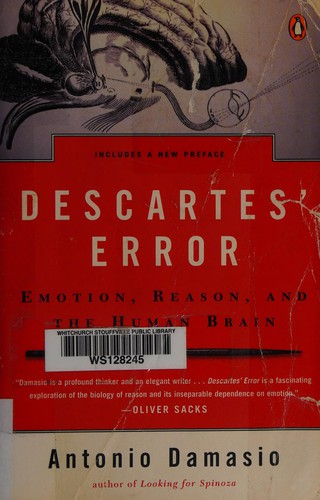
Read the summary → - Descartes' Error: Emotion, Reason, and the Human Brain
11
Descartes' Error: Emotion, Reason, and the Human Brain
Antonio Damasio · Psychology
Antonio Damasio is a neurologist at USC whose work challenges the centuries-old idea that reason and emotion are separate faculties, with reason the reliable guide and emotion the unreliable interference.
Both dig into decision-making.
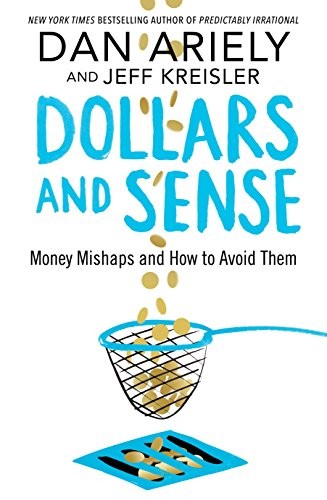
Read the summary → - Dollars and Sense
12
Dan Ariely · Psychology
Dollars and Sense is Dan Ariely and Jeff Kreisler's examination of why people consistently make bad financial decisions even when they have the information and intention to do otherwise.
Both dig into decision-making.
Read the summary →
Books like The Time Paradox: quick answers
What are the best books like The Time Paradox?
The best books like The Time Paradox by Philip Zimbardo and John Boyd are Thinking, Fast and Slow by Daniel Kahneman, Stumbling on Happiness by Daniel Gilbert, Four Thousand Weeks: Time Management for Mortals by Oliver Burkeman, The Happiness Hypothesis by Jonathan Haidt, Happy City by Charles Montgomery, plus 7 more below. Each was chosen for themes it shares with The Time Paradox, such as time perspective, decision-making, behavior.
What should I read after The Time Paradox?
A natural next read after The Time Paradox is Thinking, Fast and Slow by Daniel Kahneman. Both dig into decision-making. Other strong choices are Stumbling on Happiness by Daniel Gilbert, Four Thousand Weeks: Time Management for Mortals by Oliver Burkeman, The Happiness Hypothesis by Jonathan Haidt.
What books are similar to The Time Paradox by Philip Zimbardo and John Boyd?
The Time Paradox centers on time perspective, decision-making, behavior. Books with a similar feel include Thinking, Fast and Slow by Daniel Kahneman, Stumbling on Happiness by Daniel Gilbert, Four Thousand Weeks: Time Management for Mortals by Oliver Burkeman, The Happiness Hypothesis by Jonathan Haidt, Happy City by Charles Montgomery, 100 Things Every Designer Needs to Know About People by Susan Weinschenk — all free to read and chat with on Superbook.
