Science · Similar reads
Books like Where Is My Flying Car?
The best books like Where Is My Flying Car? are The Rational Optimist: How Prosperity Evolves, Enlightenment Now, and Why Nations Fail: The Origins of Power, Prosperity, and Poverty. Where Is My Flying Car? by J. Storrs Hall is about technological stagnation, energy, innovation. If that's what drew you in, here are 12 books that share its DNA — each summarized on Superbook, and ready to chat with in the app.
- The Rational Optimist: How Prosperity Evolves
01
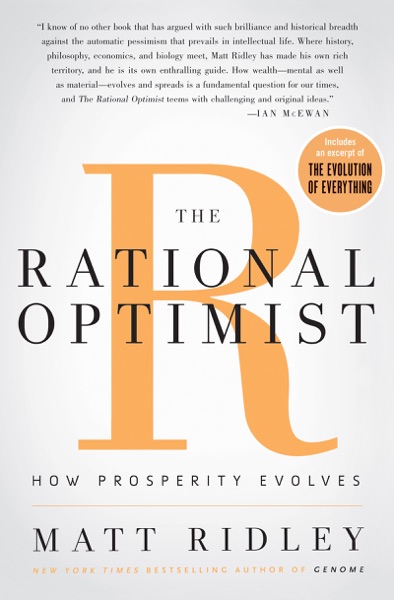
The Rational Optimist: How Prosperity Evolves
Matt Ridley · Economics
Matt Ridley's argument in The Rational Optimist is evolutionary in the literal sense: he treats the expansion of human prosperity as the result of a Darwinian process operating at the cultural level, where ideas combine, compete, and recombine to produce innovations that raise living standards.
Both dig into innovation.
Read the summary → - Enlightenment Now
02
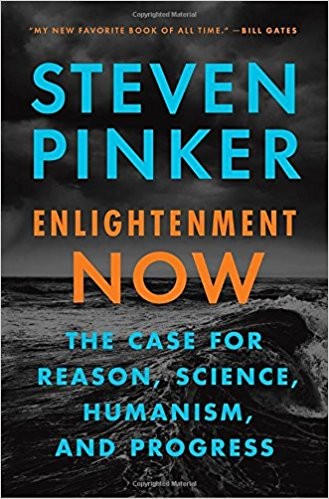
Steven Pinker · Science
Enlightenment Now is Steven Pinker's argument that the ideals of the Enlightenment — reason, science, humanism, and progress — have been responsible for a dramatic and continuing improvement in human wellbeing across virtually every measurable dimension, and that these ideals are under threat from counter-Enlightenment movements on both the left and the right.
Both dig into progress.
Read the summary → - Why Nations Fail: The Origins of Power, Prosperity, and Poverty
03
Why Nations Fail: The Origins of Power, Prosperity, and Poverty
Daron Acemoglu and James A. Robinson · Economics
Daron Acemoglu and James Robinson argue that the fundamental difference between rich and poor countries is not geography, culture, or bad luck.
A kindred science read.
Read the summary →
- The Second Machine Age
04
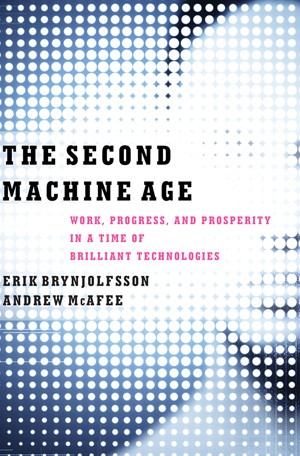
Erik Brynjolfsson and Andrew McAfee · Economics
The Second Machine Age is Erik Brynjolfsson and Andrew McAfee's argument that digital technology has entered a qualitatively new phase — one in which machines can perform cognitive tasks previously reserved for humans, creating economic disruption and opportunity simultaneously.
A kindred science read.
Read the summary → - The Innovator's Dilemma
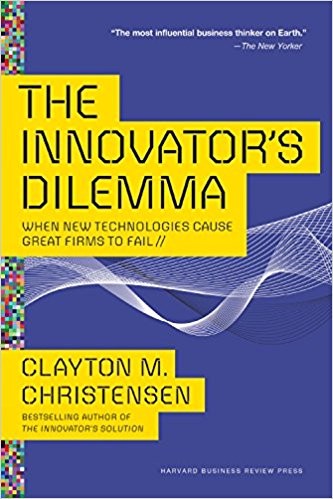
05
Clayton M. Christensen · Business
Christensen's argument, published in 1997, is deceptively simple: the very practices that make companies excellent at serving their current customers — listening carefully, investing in proven technologies, targeting the most profitable segments — are precisely what causes them to miss disruptive innovations.
Both dig into innovation.
Read the summary → - Civilized to Death
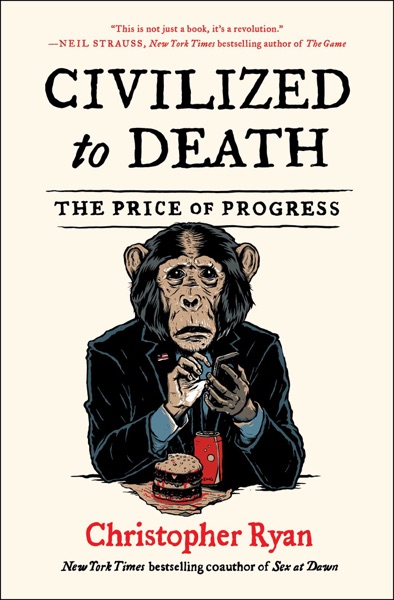
06
Christopher Ryan · Science
Christopher Ryan is the co-author of Sex at Dawn, a 2010 book that argued human beings are not naturally monogamous.
Both dig into progress.
Read the summary → - Four Laws That Drive the Universe
07
Four Laws That Drive the Universe
Peter Atkins · Science
Peter Atkins, one of the most respected chemistry educators of the twentieth century, wrote this book as a compact but uncompromising account of the four laws of thermodynamics.
Both dig into energy.
Read the summary → - The Innovators: How a Group of Hackers, Geniuses, and Geeks Created the Digital Revolution
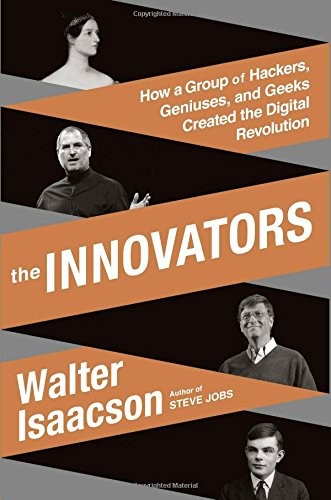
08
The Innovators: How a Group of Hackers, Geniuses, and Geeks Created the Digital Revolution
Walter Isaacson · Science
The Innovators is Walter Isaacson's history of the digital revolution, tracing the development of computers and the internet from Ada Lovelace's conceptualization of programming in the 1840s through the emergence of the modern internet, personal computer, and smartphone.
Both dig into innovation.
Read the summary → - Americana
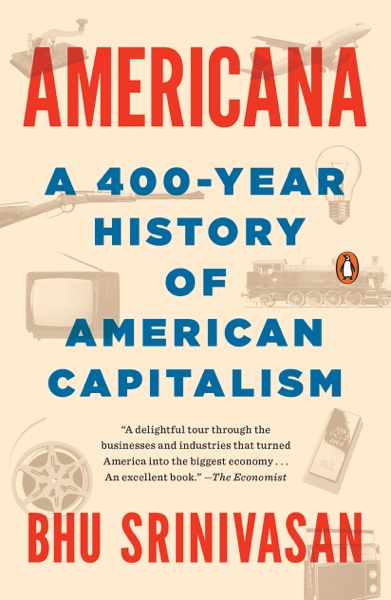
09
Bhu Srinivasan · History
Americana is Bhu Srinivasan's attempt to tell the history of American capitalism through its defining industries and the entrepreneurs who built them.
Both dig into innovation.
Read the summary → - Bad Pharma
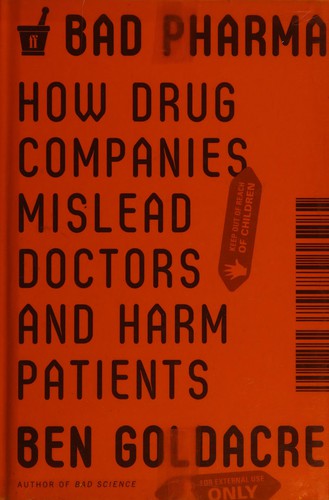
10
Ben Goldacre · Health
Bad Pharma is Ben Goldacre's sustained indictment of the pharmaceutical industry's manipulation of clinical trial evidence, and of the regulatory and academic institutions that have failed to stop it.
Both dig into regulation.
Read the summary → - Blue Ocean Strategy
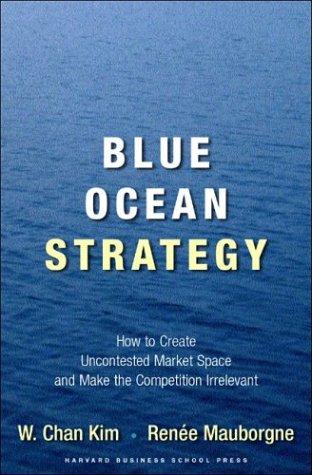
11
W. Chan Kim and Renée Mauborgne · Business
Blue Ocean Strategy is Kim and Mauborgne's case that the most successful companies don't compete in existing markets by beating rivals at their own game — they create new market spaces where competition is irrelevant.
Both dig into innovation.
Read the summary → - Boyd: The Fighter Pilot Who Changed the Art of War
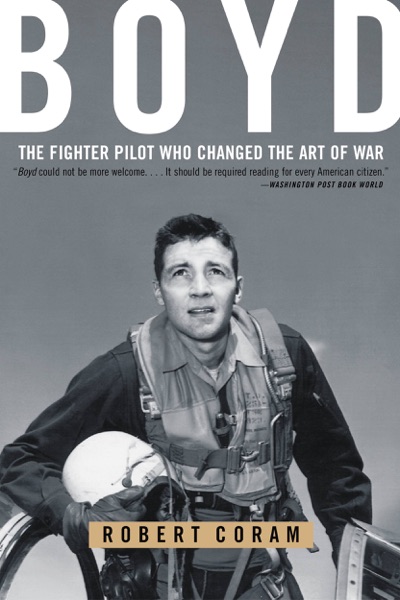
12
Boyd: The Fighter Pilot Who Changed the Art of War
Robert Coram · Biography
Boyd is Robert Coram's biography of Colonel John Boyd, the Air Force fighter pilot who became one of the most influential military strategists of the twentieth century without ever having commanded a major unit, written a best-selling book, or achieved the rank that would have made him famous while alive.
Both dig into innovation.
Read the summary →
Books like Where Is My Flying Car?: quick answers
What are the best books like Where Is My Flying Car??
The best books like Where Is My Flying Car? by J. Storrs Hall are The Rational Optimist: How Prosperity Evolves by Matt Ridley, Enlightenment Now by Steven Pinker, Why Nations Fail: The Origins of Power, Prosperity, and Poverty by Daron Acemoglu and James A. Robinson, The Second Machine Age by Erik Brynjolfsson and Andrew McAfee, The Innovator's Dilemma by Clayton M. Christensen, plus 7 more below. Each was chosen for themes it shares with Where Is My Flying Car?, such as technological stagnation, energy, innovation.
What should I read after Where Is My Flying Car??
A natural next read after Where Is My Flying Car? is The Rational Optimist: How Prosperity Evolves by Matt Ridley. Both dig into innovation. Other strong choices are Enlightenment Now by Steven Pinker, Why Nations Fail: The Origins of Power, Prosperity, and Poverty by Daron Acemoglu and James A. Robinson, The Second Machine Age by Erik Brynjolfsson and Andrew McAfee.
What books are similar to Where Is My Flying Car? by J. Storrs Hall?
Where Is My Flying Car? centers on technological stagnation, energy, innovation. Books with a similar feel include The Rational Optimist: How Prosperity Evolves by Matt Ridley, Enlightenment Now by Steven Pinker, Why Nations Fail: The Origins of Power, Prosperity, and Poverty by Daron Acemoglu and James A. Robinson, The Second Machine Age by Erik Brynjolfsson and Andrew McAfee, The Innovator's Dilemma by Clayton M. Christensen, Civilized to Death by Christopher Ryan — all free to read and chat with on Superbook.
