
Reading list · 13 books
Michelle Obama's reading list
Michelle Obama served as First Lady of the United States from 2009 to 2017 and is the author of the bestselling memoir Becoming and its follow-up The Light We Carry. A trained lawyer and former hospital administrator, she has been outspoken about reading as a tool for empathy and self-understanding. Her recommendations skew toward literary fiction rooted in Black American life, memoir, and books that grapple with identity, resilience, and community — drawing from decades of personal reading and her Let Girls Learn initiative.
-
01
Michelle Obama
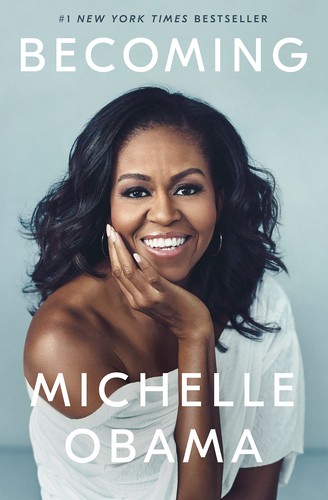
Her own memoir, and the natural anchor for this list. Becoming traces her childhood on Chicago's South Side through Princeton, Harvard Law, and the White House — a sustained inquiry into what it means to build an identity when the world keeps handing you a narrower version of yourself than you recognize.
-
02
Michelle Obama
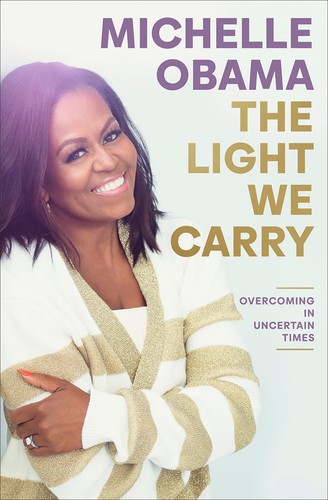
Her 2022 follow-up shifts from narrative to practice: how do you maintain steadiness when circumstances are uncertain? Written during the pandemic, it's the companion volume to Becoming — less autobiography, more toolkit for resilience drawn from her own experience and conversations.
-
03
Tara Westover
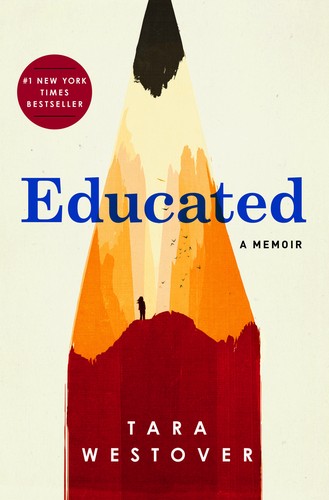
Obama has cited Westover's memoir in interviews as a book about the gap between where you come from and where your education takes you. Westover's story of growing up in a survivalist family and eventually reaching Cambridge resonates with Obama's own writing about being the first in rooms where people like her weren't expected.
-
Read these with Superbook
Chat with any book on this list — ask questions, get answers tuned to you.
-
04
Isabel Wilkerson
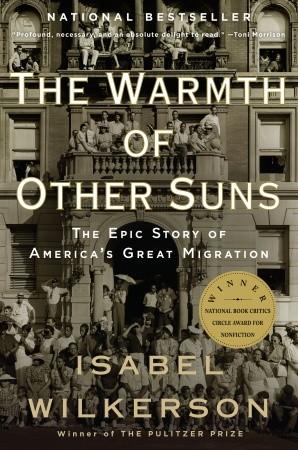
Wilkerson's account of the Great Migration — six million Black Americans leaving the South between 1915 and 1970 — is a book Obama has recommended for understanding how the geography of American opportunity was shaped by race. It makes the backstory of Becoming legible at a national scale.
-
05
Zora Neale Hurston
Hurston's 1937 novel about Janie Crawford's search for self-determination has been named by Obama as a formative book. It treats a Black woman's inner life with a fullness that was rare in its time and remains a model for the kind of literary attention her own memoir attempts to pay to her younger self.
-
06
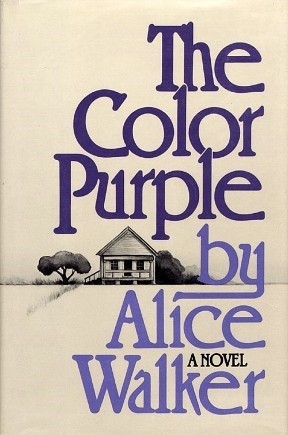
Alice Walker
Walker's epistolary novel about Celie — surviving abuse, finding her voice, and building chosen family — is a book Obama has pointed to as evidence of what literature can do that policy cannot: make you feel the weight of another person's endurance from the inside.
-
07
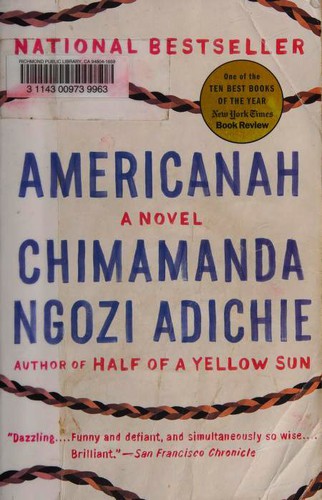
Chimamanda Ngozi Adichie
Adichie's novel about a Nigerian woman navigating race in America and the UK captured something Obama has spoken about publicly — the experience of Blackness as it reads differently depending on which country you're standing in. Ifemelu's blog-within-the-novel is a sharp, often funny companion to the harder arguments in Between the World and Me.
-
08
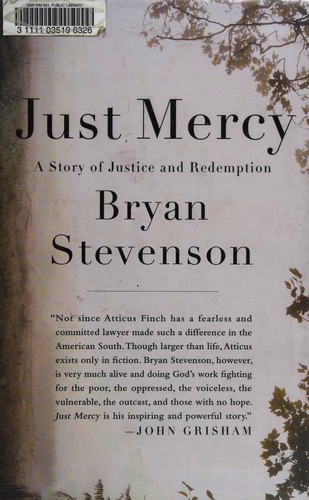
Just Mercy: A Story of Justice and Redemption
Bryan Stevenson
Stevenson's account of his work as a death-row defense attorney in Alabama is a book Obama has recommended in the context of criminal justice reform. Where her own memoir is about expanding possibility, Just Mercy is about what happens when the system actively contracts it — and what one person can do anyway.
-
09
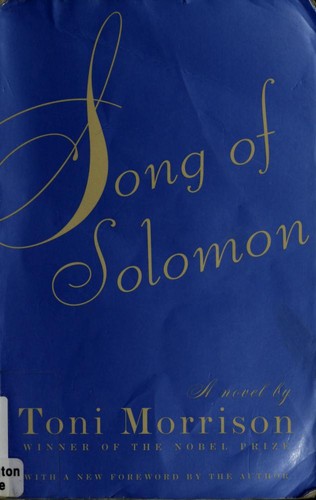
Toni Morrison
Morrison's 1977 novel — the one that won her the Nobel — follows Milkman Dead across three generations of a Black family in Michigan and the South. Obama has spoken about Morrison as a writer who made her understand that Black life deserved the full weight of literary form, not just documentary attention.
-
10
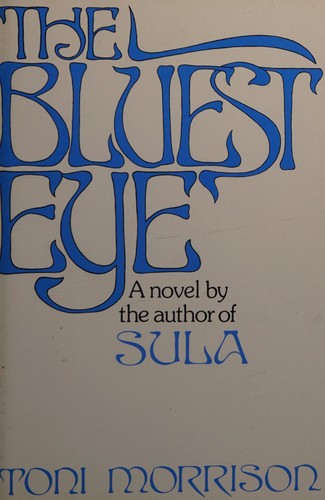
Toni Morrison
Morrison's debut novel, about a Black girl in 1940s Ohio who wishes for blue eyes, is a book Obama has cited as an early encounter with fiction that took Black girlhood seriously. It's a harder read than Song of Solomon, less mythic, closer to the bone — and an important counterpart to Hurston's more expansive vision.
-
11
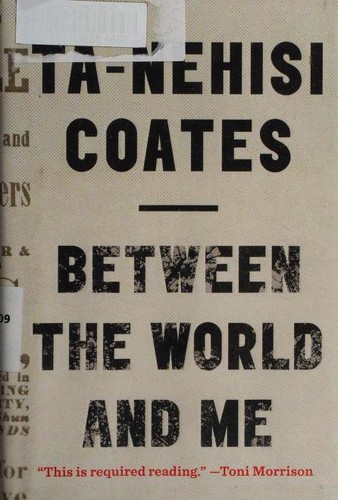
Ta-Nehisi Coates
Coates's letter to his son about what it means to inhabit a Black body in America overlaps with Obama's public concerns about race and safety, and she has praised the book's willingness to refuse comfort. It's an argument in the same tradition as Baldwin — uncompromising, formally precise, and uncomfortable in ways that matter.
-
12
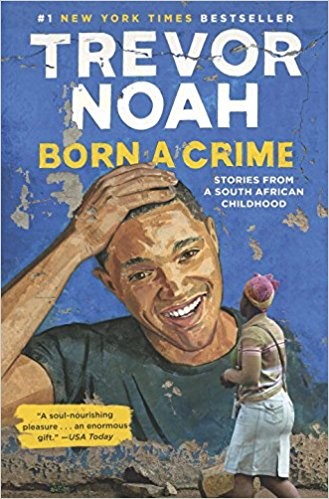
Born a Crime: Stories from a South African Childhood
Trevor Noah
Trevor Noah's memoir of growing up mixed-race under apartheid in South Africa reads as a transatlantic echo of Obama's own story: outsider status weaponized into adaptability, humor as survival strategy, a mother's stubborn love as the through-line. Obama has praised it in interviews for its warmth and moral clarity.
-
13
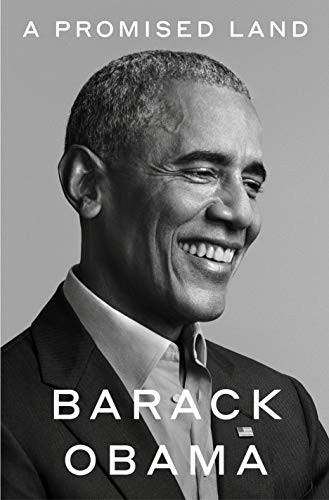
Barack Obama
Barack Obama's presidential memoir is on this list not as a partner piece but because Michelle features in it as a full character — her doubts about the political life, her protectiveness of their daughters, her own ambitions. Reading it alongside Becoming gives you two perspectives on the same years from inside the same household.
More on Michelle Obama's picks
Michelle Obama's reading life shows up in interviews, her Higher Ground podcast, and in the authors she has championed at events like the Obama Foundation summit. What connects this list is a consistent preoccupation with how ordinary people — often Black women — navigate systems that were not built for them, and what it costs and gives to persist anyway.
Many of these books she has cited explicitly: Toni Morrison was an early influence she has mentioned in multiple interviews, and the Hurston and Walker classics are touchstones she returned to during her years in the White House. The contemporary titles — Adichie, Stevenson, Wilkerson — reflect her public conversations about race in America and the structural work still to be done.
The list also holds her own books, not as self-promotion but because they belong here thematically: Becoming traces exactly the arc of identity and doubt that runs through Westover's Educated and Noah's Born a Crime, and The Light We Carry picks up the practical question of how to keep going that Stevenson answers in Just Mercy from a different vantage. Reading them together makes each one sharper.
