
Topic · 10 books
The best books on Modern parenting
Modern parenting sits at the intersection of developmental science, social pressure, and a genuine desire not to repeat the mistakes of previous generations. Over the last two decades, researchers have moved the field from gut instinct and folk wisdom toward a more evidence-based understanding of what children actually need — and what parents fear they need but probably don't. The books on this list reflect that shift: from Emily Oster's statistical debunking of pregnancy myths, to Jonathan Haidt's analysis of how smartphone-era childhoods are reshaping adolescent mental health, to attachment theorists who trace adult emotional life back to infancy.
-
01
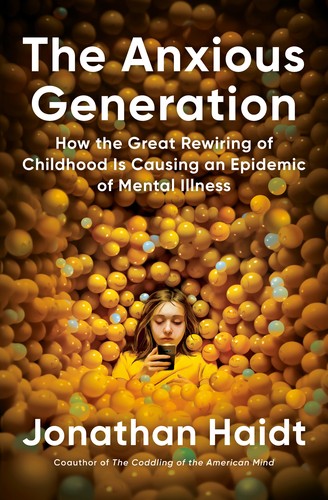
Jonathan Haidt
Haidt's data-driven account of how the smartphone-based childhood displaced the play-based one after 2012, correlating with rising depression and anxiety rates in adolescent girls especially. The central parenting question it raises: what does appropriate risk and independence look like now?
-
02
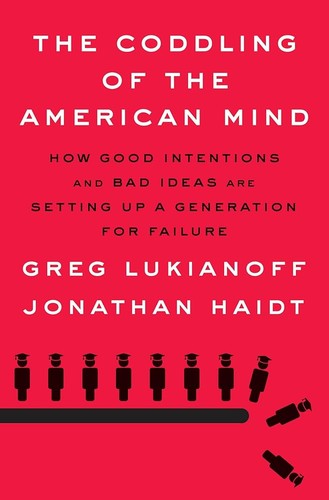
The Coddling of the American Mind
Greg Lukianoff and Jonathan Haidt
Haidt and Lukianoff's earlier and broader argument that well-intentioned protective instincts — in schools, in parenting, in culture — are producing fragility rather than resilience. The concept of 'safetyism' is worth knowing even if you dispute the conclusions.
-
03
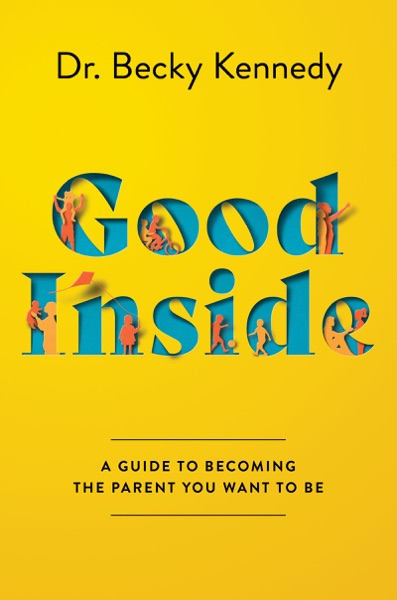
Good Inside: A Guide to Becoming the Parent You Want to Be
Becky Kennedy
Becky Kennedy's framework for parenting from the assumption that children are fundamentally good and misbehavior is a communication problem, not a character flaw. Practically useful for parents of toddlers through early adolescence; its strength is in giving parents language for difficult moments.
-
Read these with Superbook
Chat with any book on this list — ask questions, get answers tuned to you.
- the-developing-mind-jr
04
the-developing-mind-jr
Dan Siegel's foundational text on how early attachment experiences literally shape neural architecture. The book is academic but accessible; it's the science behind why how you respond to a crying infant matters more than any sleep-training method.
-
05
Gabor Maté
Gabor Maté's account of ADHD as a developmental response to early attachment disruption rather than a genetic fixed condition. Reframes diagnosis as an invitation to look at environment, not just biology. Particularly useful for parents whose children have received ADD/ADHD diagnoses.
-
06
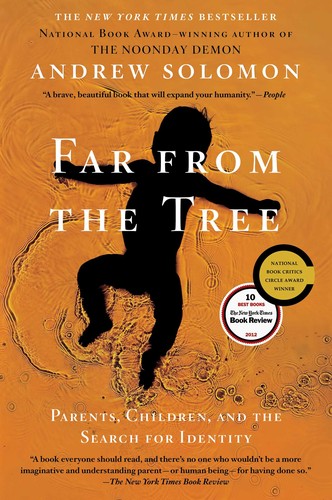
Far from the Tree: Parents, Children, and the Search for Identity
Andrew Solomon
Andrew Solomon's decade-long study of families raising children who are profoundly different from their parents — deaf, autistic, disabled, prodigies, children conceived in rape. The lesson about unconditional acceptance vs. identity-based expectations applies well beyond the extreme cases he documents.
-
07
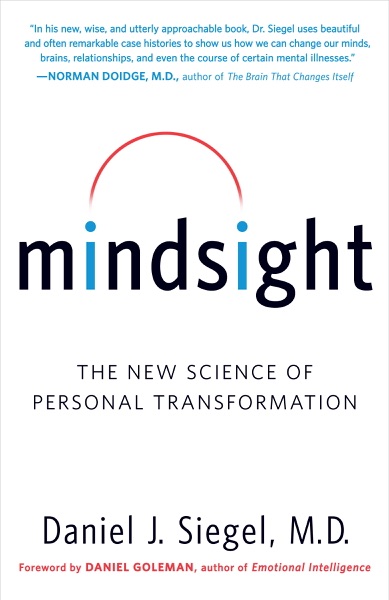
Mindsight: The New Science of Personal Transformation
Daniel J. Siegel
Siegel's more accessible follow-up, introducing the concept of 'mindsight' — the capacity to sense your own mind and others' — as the core parenting skill. The integration model it describes (connecting left-brain logic with right-brain emotion) is grounding for parents in conflict with their children.
-
08
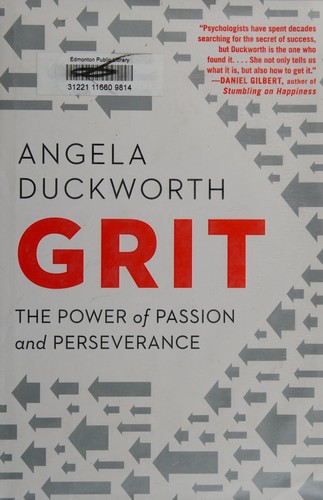
Grit: The Power of Passion and Perseverance
Angela Duckworth
Angela Duckworth's research on perseverance as a better predictor of success than IQ. Her parenting implication is specific: demanding parents who are also warm and supportive produce grittier kids than either permissive or harsh approaches alone.
-
09
Mindset: The New Psychology of Success
Carol S. Dweck
Carol Dweck's growth mindset research, which has become so embedded in parenting culture that it's easy to dismiss — but the original evidence for how praise language shapes children's approach to challenge is genuinely robust and worth engaging with directly.
-
10
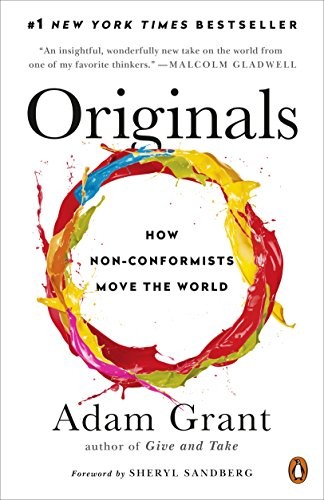
Originals: How Non-Conformists Move the World
Adam Grant
Adam Grant's chapter on parenting originals — specifically on what families of moral exemplars and creative achievers have in common — is one of the most cited parenting arguments in the book. Less about creativity and more about how to raise kids who think for themselves without raising rebels.
More about this list
The thread running through the best writing on parenting is a confrontation with control. Parents want to shape outcomes — academic, social, emotional — and the science consistently complicates that ambition. What begins with Emily Oster's data-driven pregnancy guides continues into early childhood: Dan Siegel's neuroscience of attachment showing that attunement, not achievement, builds secure kids. Gabor Maté's work on scattered minds and developmental trauma reframes ADHD and anxiety not as disorders to be fixed but as responses to environments.
By the time children reach adolescence, Jonathan Haidt and Greg Lukianoff's research makes the case that helicopter parenting and smartphone dependency have converged into an anxiety epidemic. The Anxious Generation extends that argument with population-level data. These books don't land on the same policy prescriptions, but they share a concern: that adult anxiety about child outcomes is itself part of what's making children anxious.
The list moves from biology and attachment through school-age development toward adolescence and the question of autonomy. Reading it in sequence, the first books about infant attunement cast a long shadow over the later ones about teen mental health — the same fundamental question of what children need from adults, asked at different developmental stages.
