
Reading list · 12 books
Paul Graham's reading list
Paul Graham is a programmer, essayist, and co-founder of Y Combinator, the startup accelerator that funded Dropbox, Airbnb, Stripe, and hundreds of others. He is best known for the essays on paulgraham.com, which range from how to start a startup to what makes writing good. His reading taste reflects the three things he cares about most: how exceptional people actually work, the history of civilization as a lens on the present, and what good prose looks like and why it matters.
-
01
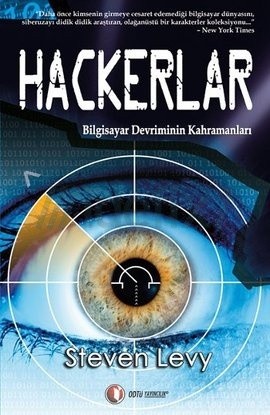
Hackers: Heroes of the Computer Revolution
Steven Levy
Graham has cited Levy's account of the original hacker culture as one of the most accurate descriptions of what it feels like to be obsessed with programming. The ethic Levy documents — following curiosity wherever it leads, sharing code freely, resisting hierarchy — maps closely onto what Graham has said he looks for in founders.
-
02
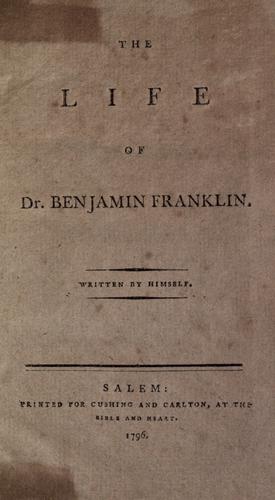
The Autobiography of Benjamin Franklin
Benjamin Franklin
Graham returns to Franklin repeatedly in his essays as an example of someone who combined intellectual breadth, practical experimentation, and the ability to write clearly for a general audience. He has described Franklin as the most useful model for how to run a life organized around ideas.
-
03
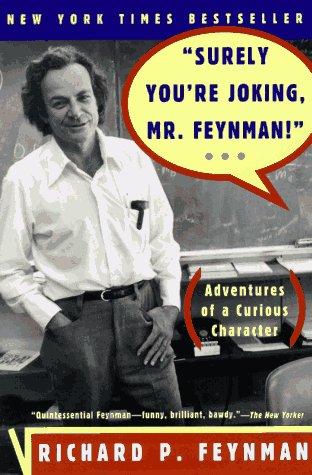
Surely You're Joking, Mr. Feynman!
Richard P. Feynman
Graham has cited Feynman's memoir as a model of the voice he admires in nonfiction: direct, curious, self-deprecating, and free of jargon. He also values the underlying attitude — that understanding something deeply matters more than signaling credentials.
-
Read these with Superbook
Chat with any book on this list — ask questions, get answers tuned to you.
-
04
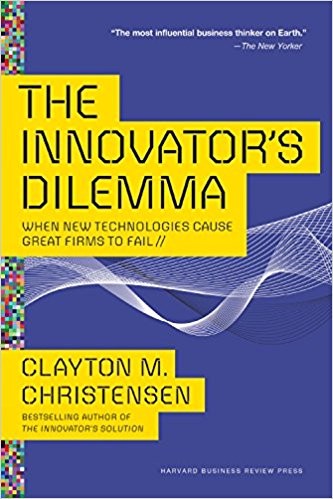
Clayton M. Christensen
Christensen's disruption framework is one of the few business-school ideas Graham has engaged with seriously in his essays, because it describes a real mechanism rather than a collection of anecdotes. He has cited it as the clearest account of why established companies consistently miss technological transitions.
-
05
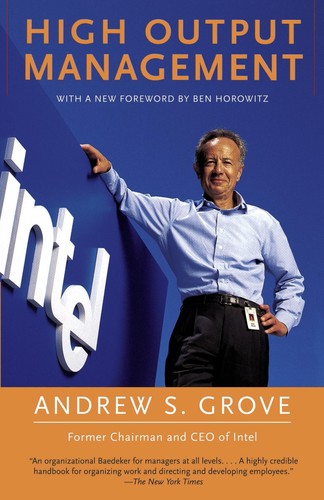
Andrew S. Grove
Andy Grove wrote the closest thing to a manual for running a technology organization that Graham considers worth reading. He has recommended it to YC founders as the operational counterpart to the more philosophical questions about what to build and why.
-
06
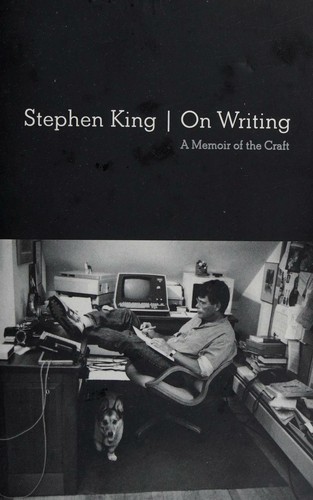
On Writing: A Memoir of the Craft
Stephen King
King's account of how he developed as a writer — the reading, the practice, the editing — is one Graham has cited in essays about writing clearly. He values King's insistence that good writing is mostly about removing what doesn't need to be there.
-
07
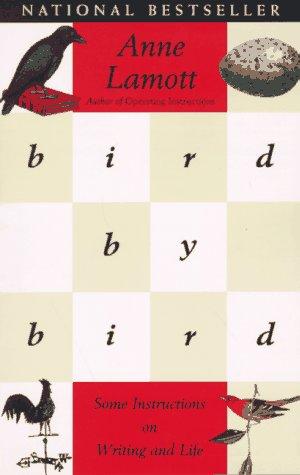
Anne Lamott
Lamott's approach to writing in small, specific pieces rather than trying to get everything right at once aligns with how Graham has described his own essay process. He has mentioned it in the context of advice on how to start writing when the task feels overwhelming.
-
08
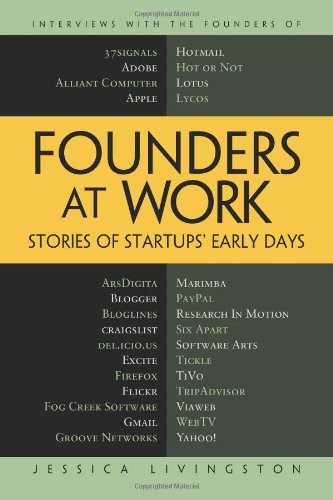
Founders at Work: Stories of Startups' Early Days
Jessica Livingston
Jessica Livingston's interviews with early-stage founders — conducted before the companies became famous — are a direct product of the YC community Graham helped build. He has described the book as unusual because it captures what actually happened in the early days rather than the retrospective mythology.
-
09
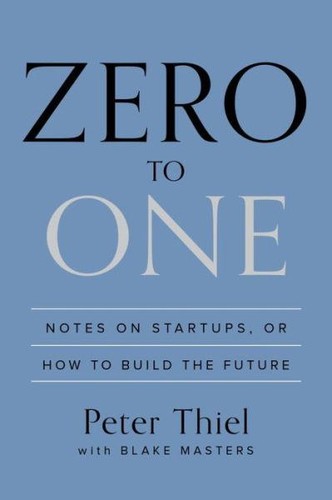
Zero to One: Notes on Startups, or How to Build the Future
Peter Thiel
Thiel's argument that the most valuable companies create something genuinely new rather than iterating on existing markets is one Graham has cited approvingly, even where he disagrees with specific claims. He values it because Thiel is making a real argument rather than offering tactical advice.
-
10
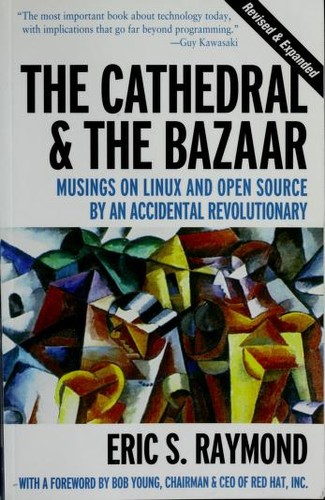
Eric S. Raymond
Raymond's analysis of why decentralized open-source development outperformed commercial software development is, for Graham, both historically important and a live description of how good technical work happens. He has cited it in essays about what makes hackers productive.
-
11
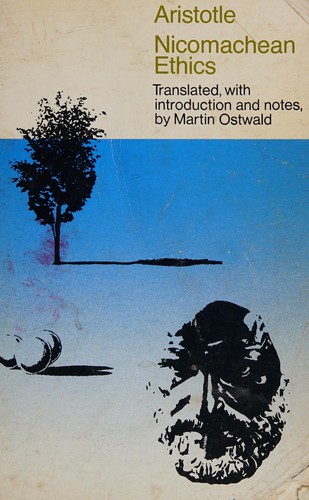
Aristotle
Graham has written about Aristotle on virtue as one of the few ancient texts that addresses practical questions about how to live without sliding into abstraction. He is drawn to the idea that character is built through repeated action — consistent with his views on how founders develop judgment.
-
12
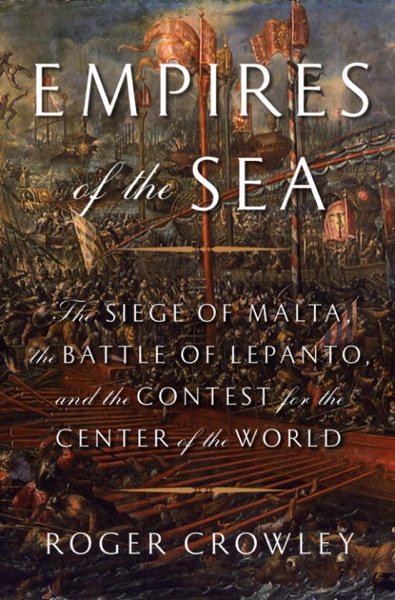
Roger Crowley
Graham has cited Crowley's histories of the Mediterranean — particularly the struggle between Venice, Spain, and the Ottoman Empire — as vivid accounts of how trade routes, technology, and contingency determine which powers survive. He reads history for the same reason he reads startup stories: to see what actually happened, not the cleaned-up version.
More on Paul Graham's picks
Graham's book recommendations surface mainly through his essays — he cites titles to make a point, not to make a list, so the signal tends to be strong. The through-line across his choices is a preference for primary sources and case studies over abstraction: biographies over management theory, source code over textbooks, history over philosophy of history.
The programming books on the list are ones he has written about at length — Levy's account of the original hacker culture, Raymond's open-source manifesto — as documents that capture something true about how good technical work actually happens. The startup books cluster around founders who figured things out empirically rather than following frameworks. The writing books are the ones Graham himself has cited as models: King and Lamott on the practice of writing honestly, Feynman as a model of the expository style he admires.
The history he reads is narrative and specific: Roger Crowley's Mediterranean histories show how trade, technology, and contingency shape empires — the same forces Graham thinks determine which startups survive. Benjamin Franklin's autobiography appears in his essays as the definitive account of what a self-made intellectual life looks like from the inside. What these books share is a refusal to smooth over difficulty or pretend that outcomes were inevitable.
