
Topic · 12 books
Essential product management reading list
Product management sits at the intersection of customer understanding, business strategy, and technical execution. As software has eaten more of the economy, the PM role has evolved from backlog grocer to the person most responsible for whether a product solves a real problem at all. Reading broadly in the field reveals how much of the job is epistemological — learning how to know what customers actually need, and resisting the seductive pull of building what is easy to build rather than what is worth building.
-
01
Inspired: How to Create Tech Products Customers Love
Marty Cagan
The foundational text of the modern PM role. Cagan's central argument — that most companies build the wrong things because they treat product as a delivery function rather than a discovery function — reframes everything that follows. The chapter on product discovery versus product delivery is worth the price of the book.
-
02
Teresa Torres
Torres operationalizes what Cagan describes. Weekly customer touchpoints, opportunity-solution trees, assumption testing — this is the most practical account of how discovery actually becomes a habit rather than a quarterly exercise. Pairs directly with Inspired as the how to its what.
-
03
Rob Fitzpatrick
Short, sharp, and corrective. Fitzpatrick diagnoses why customer interviews so often produce false positives: people are polite and will validate almost any idea you present with sufficient enthusiasm. The fix is asking about past behavior, not hypothetical futures. A genuinely useful retraining of interview instincts.
-
Read these with Superbook
Chat with any book on this list — ask questions, get answers tuned to you.
-
04
Dan Olsen
Olsen's product-market fit pyramid — target customer, underserved needs, value proposition, feature set, UX — is the clearest structural framework for thinking about fit. Where Ries describes validated learning as a philosophy, Olsen gives it a repeatable shape. Particularly strong on how to prioritize which hypotheses to test first.
-
05
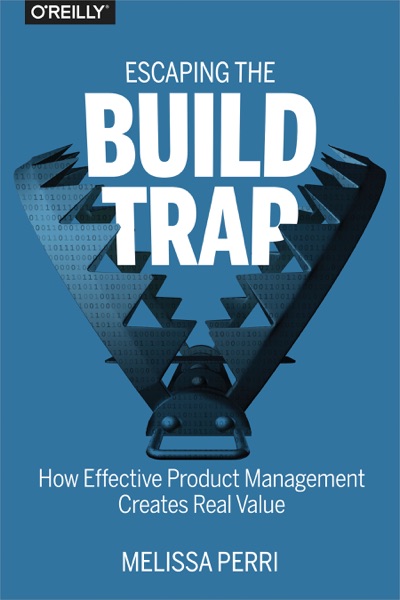
Melissa Perri
Perri names the organizational failure mode precisely: companies that measure success by shipping features rather than producing outcomes. The book is a diagnosis of product management dysfunction at the company level and a structural argument for why PM must own outcomes, not output, to function at all.
-
06
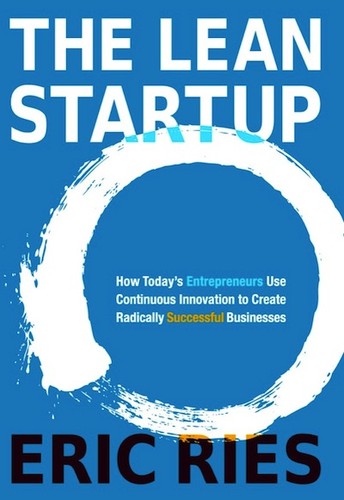
Eric Ries
Ries brought validated learning to a mainstream business audience. The build-measure-learn loop and the distinction between vanity metrics and actionable metrics remain the clearest vocabulary for thinking about uncertainty in product development. Slightly dated in its startup-centric framing but foundational.
-
07
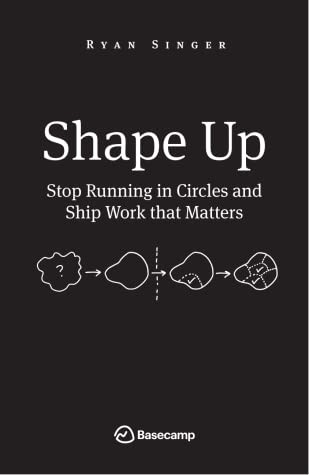
Ryan Singer
Singer's alternative to continuous sprints: fixed time, variable scope, with shaping work done in advance to reduce ambiguity before building begins. Whether or not the specific Basecamp process translates, the argument against infinite backlogs and the emphasis on appetite over estimation are worth wrestling with.
-
08
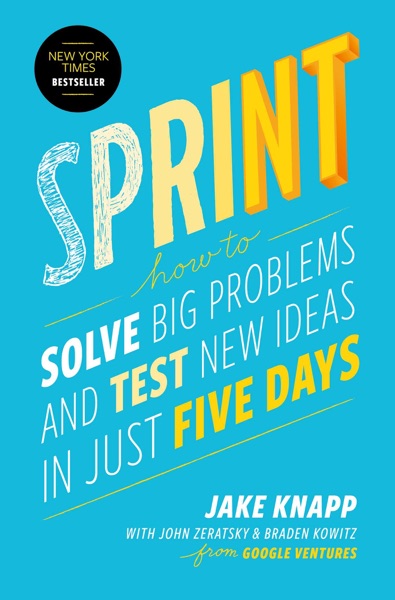
Jake Knapp, John Zeratsky, and Braden Kowitz
The five-day sprint compresses months of product debate into a week by forcing teams to prototype and test with real users before committing to a build. Knapp's method is deliberately theatrical — that's a feature, not a bug. The value is in the forcing function.
-
09
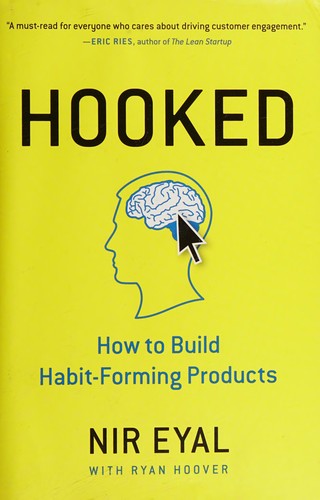
Hooked: How to Build Habit-Forming Products
Nir Eyal
Eyal's model of trigger, action, variable reward, and investment describes how products build habits at a mechanistic level. Useful for product designers and equally useful for anyone trying to understand when habit formation serves users and when it serves only the product.
-
10
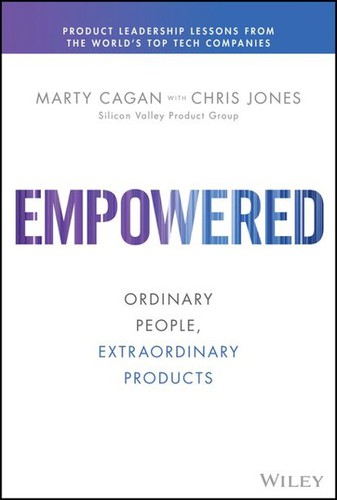
Empowered: Ordinary People, Extraordinary Products
Marty Cagan and Chris Jones
Cagan's follow-on to Inspired shifts from product craft to organizational conditions. The argument: you cannot have great products without empowered product teams, and empowered teams require managers who coach toward outcomes rather than manage toward outputs. Addresses the question Inspired leaves open — what do you change first?
-
11
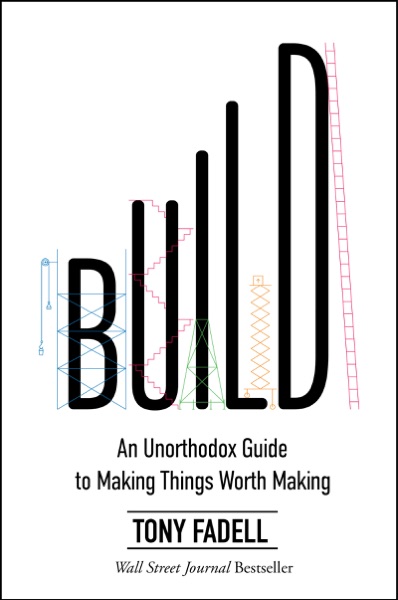
Tony Fadell
Fadell built the iPod, the iPhone, and Nest. Build is structured as a book of advice organized by career stage and product phase. It is unusually honest about failure, about the texture of executive dysfunction, and about what it actually takes to ship physical products at Apple-level quality. The section on storytelling for products is particularly strong.
-
12
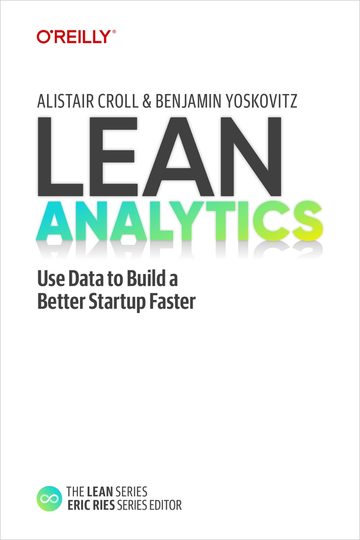
Alistair Croll and Benjamin Yoskovitz
The most systematic treatment of metrics for product teams. Croll and Yoskovitz organize analytics by business model type and stage, helping teams identify the one metric that matters most at each phase. Prevents the common failure of tracking everything and learning from nothing.
More about this list
The books on this list form a rough argument with each other. Start with Cagan's Inspired, which establishes what great product work looks like and why most companies fall short. Then Torres's Continuous Discovery Habits offers the operational discipline to actually run that kind of work week to week. Fitzpatrick's The Mom Test is the sharpest short corrective available for the specific failure mode of talking yourself into false confidence through customer interviews.
From discovery the list moves to prioritization and framing. Olsen's Lean Product Playbook provides the most systematic framework for product-market fit. Perri's Escaping the Build Trap diagnoses the organizational dysfunction — roadmap theater, output fixation — that prevents good discovery from ever reaching production. Ries's The Lean Startup, though slightly aged, remains the definitive treatment of validated learning as a discipline.
The second half of the list broadens the picture. Singer's Shape Up challenges Agile orthodoxy from within Basecamp, proposing a different rhythm entirely. Knapp's Sprint compresses the discovery-to-prototype loop into five days. Eyal's Hooked explains the mechanics of habit formation — useful both for designing products and for understanding when those mechanics become manipulation. Cagan returns with Empowered, which shifts focus from product craft to the organizational conditions that make craft possible: coaching, autonomy, clear outcomes. Finally, Fadell's Build and Croll and Yoskovitz's Lean Analytics extend the frame outward — one into the physical and cultural texture of building products over decades, the other into the data layer that makes learning from users legible at scale.
