
Topic · 12 books
Essential Product & UX design reading list
Product and UX design sits at the intersection of psychology, craft, and systems thinking. It asks how people form mental models, where interfaces succeed or fail, and what separates a product that feels obvious from one that frustrates. Reading widely in this field gives designers a shared vocabulary — from cognitive load and affordances to visual hierarchy and design sprints — that travels across platforms, tools, and trends.
-
01
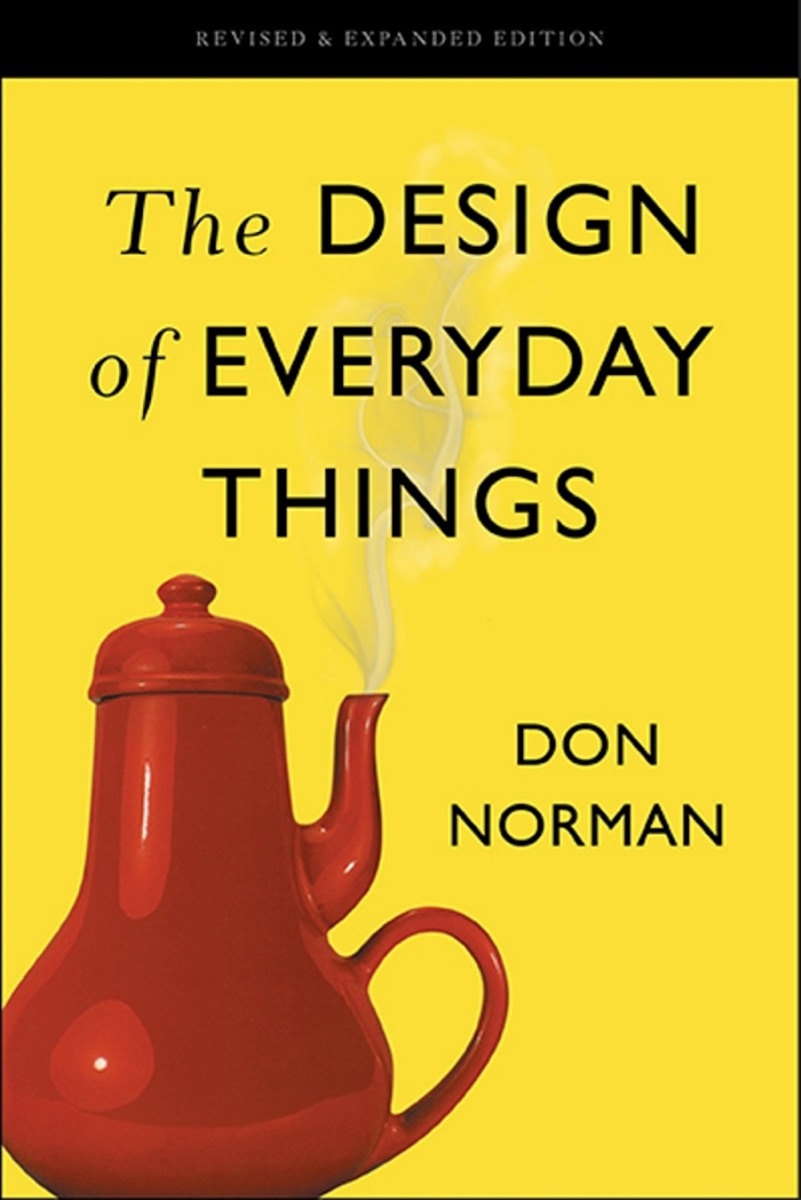
Donald Norman
The book that introduced affordances, signifiers, and feedback loops to a generation of designers. Norman's analysis of why doors, phones, and stoves confuse people is the clearest argument that bad design is a systems failure, not user error. Everything else on this list builds on this vocabulary.
-
02
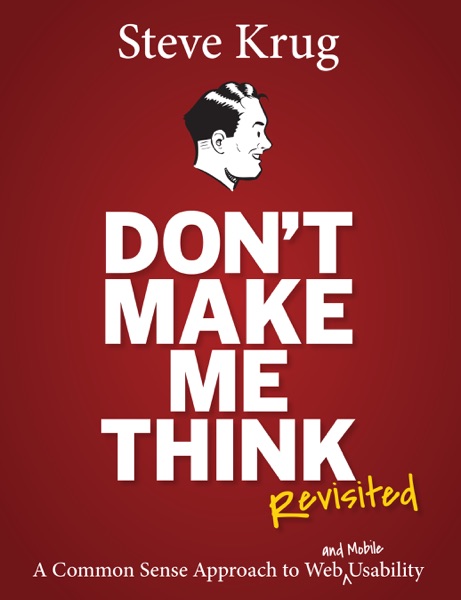
Steve Krug
Krug's web usability primer has stayed relevant for over two decades because its core argument — that good interfaces require no instruction — is timeless. The chapters on navigation conventions and usability testing with five users are still the most practical introduction to the discipline.
-
03
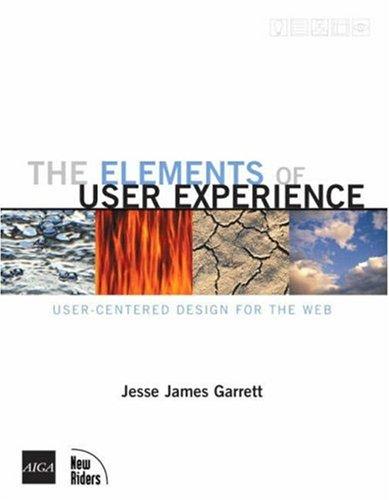
The Elements of User Experience
Jesse James Garrett
Garrett's five-plane model (strategy, scope, structure, skeleton, surface) gave the field a shared framework for decomposing design problems. Thin and diagrammatic, it's most valuable as a map of where to locate a disagreement — are we arguing about strategy or skeleton?
-
Read these with Superbook
Chat with any book on this list — ask questions, get answers tuned to you.
-
04
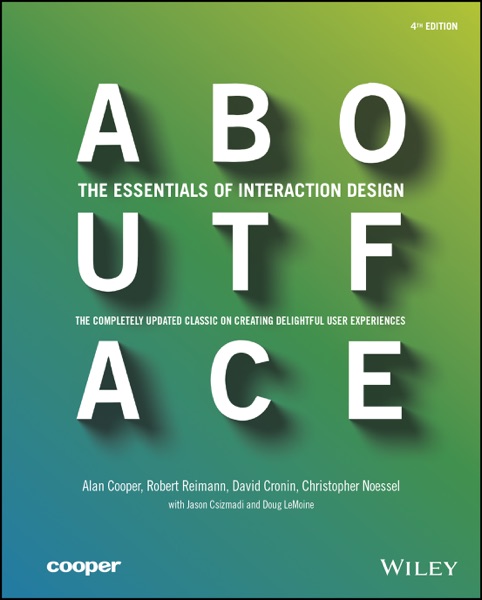
About Face: The Essentials of Interaction Design
Alan Cooper
The most rigorous treatment of goal-directed design, personas, and the gap between implementation models and mental models. Cooper's argument that software should behave like 'a brilliant friend' rather than a bureaucratic system shapes how interaction designers justify their decisions.
-
05
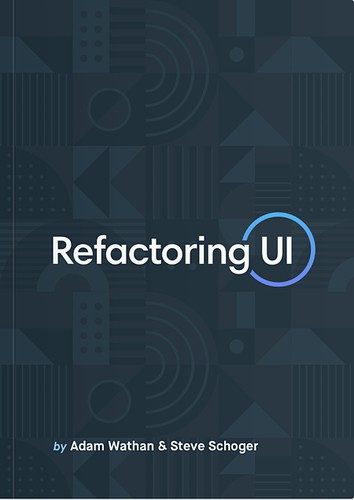
Adam Wathan and Steve Schoger
Where most design books stay in the abstract, this one opens with specific visual decisions: spacing scales, type hierarchies, color palette construction, shadow systems. Written by developers who taught themselves visual design, it's unusually practical and works equally well for product designers who want stronger visual intuition.
-
06
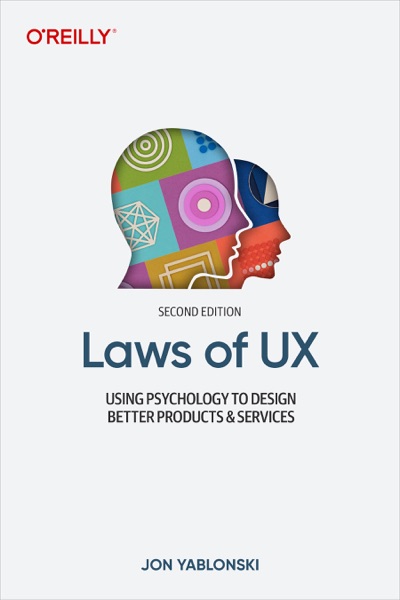
Jon Yablonski
A compact reference that maps psychology research — Fitts's Law, Hick's Law, the Peak-End Rule, Miller's Law — directly to interface decisions. Useful as a vocabulary for justifying design choices in reviews and as a checklist when diagnosing why an interaction feels slow or overwhelming.
-
07
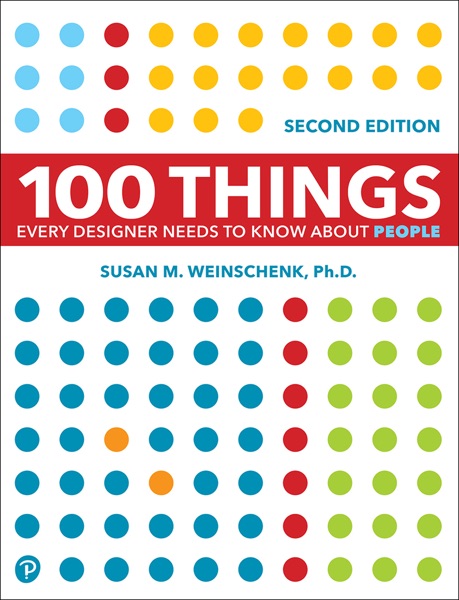
100 Things Every Designer Needs to Know About People
Susan Weinschenk
Organized as short research-backed chapters on how people see, remember, decide, and feel, this is the most accessible bridge between cognitive science and design practice. The sections on peripheral vision, progressive disclosure, and intrinsic motivation are particularly applicable to interface work.
-
08
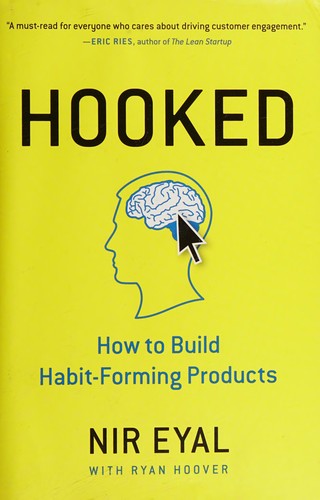
Hooked: How to Build Habit-Forming Products
Nir Eyal
Eyal's four-step model — trigger, action, variable reward, investment — explains the behavioral mechanics behind products people return to without being asked. Reading it alongside Norman's book creates productive tension: habit-forming design and humane design are not the same thing, and knowing both is necessary.
-
09
Universal Principles of Design
William Lidwell, Kritina Holden, and Jill Butler
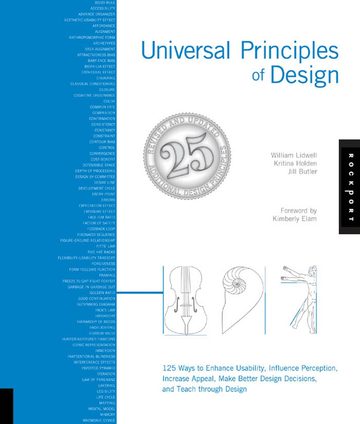
A visual encyclopedia of 125 design principles from multiple disciplines — architecture, industrial design, psychology, communication. Not a cover-to-cover read but an essential reference for finding the principle name for something you already know intuitively, which matters when presenting to non-designers.
-
10
Ellen Lupton
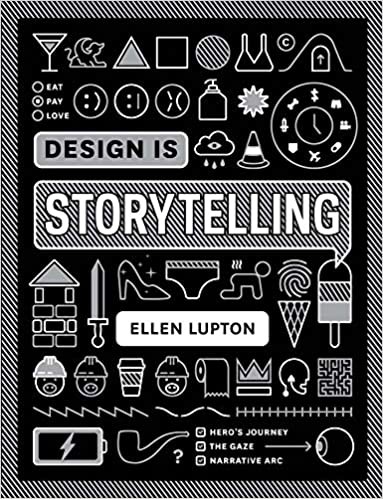
Lupton frames every design artifact as a narrative problem: arc, empathy, surprise, sequencing. The book's visual density is deliberate — form and content mirror each other throughout. Most useful for UX writers and content designers, but the chapters on journey and emotion translate directly to interaction design.
-
11
Tom Greever
The practical guide to the part of design no portfolio covers: persuading engineers, product managers, and executives that a decision is right. Greever's framework for framing critique, handling objections, and connecting design to business goals is essential for anyone moving from individual contributor to design leader.
-
12
Jake Knapp, John Zeratsky, and Braden Kowitz
The Google Ventures five-day workshop format distilled into a repeatable method for answering critical design questions through rapid prototyping and targeted user testing. Less a design book than a process book — most valuable for teams that struggle to move from ideas to validated decisions quickly.
More about this list
This list is organized as a working shelf rather than a canon. It starts with the foundational perceptual and cognitive science that underlies all interface decisions — why things feel intuitive, why errors happen, how attention works — then moves into the craft layer: interaction patterns, information architecture, and visual design principles. The final third covers the design process itself: communicating decisions to stakeholders, running focused workshops, and building products that form habits.
Reading these books in sequence creates a feedback loop. Norman's affordances show up again in Cooper's interaction models; Krug's usability heuristics become measurable after Weinschenk's psychology chapters; Yablonski's laws read differently once you've worked through Garrett's five planes. The goal isn't to memorize principles but to develop the reflex of asking why an interface produces a particular behavior — and what to change when it doesn't.
