Business · Similar reads
Books like 7 Powers: The Foundations of Business Strategy
The best books like 7 Powers: The Foundations of Business Strategy are Good to Great, Zero to One: Notes on Startups, or How to Build the Future, and The Innovator's Dilemma. 7 Powers: The Foundations of Business Strategy by Hamilton Helmer is about competitive advantage, business strategy, moats. If that's what drew you in, here are 12 books that share its DNA — each summarized on Superbook, and ready to chat with in the app.
- Good to Great
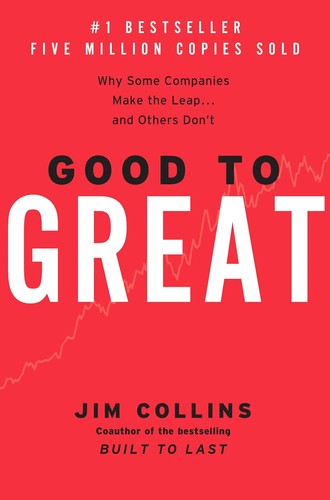
01
Jim Collins · Business
Good to Great is Jim Collins's attempt to answer a deceptively simple question: why do some good companies make the leap to sustained greatness while most don't?
A kindred business read.
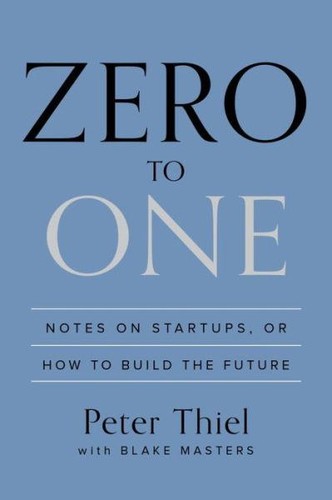
Read the summary → - Zero to One: Notes on Startups, or How to Build the Future
02
Zero to One: Notes on Startups, or How to Build the Future
Peter Thiel · Business
Zero to One began as notes from a Stanford course Thiel taught on startups in 2012, assembled into a book with co-author Blake Masters.
A kindred business read.
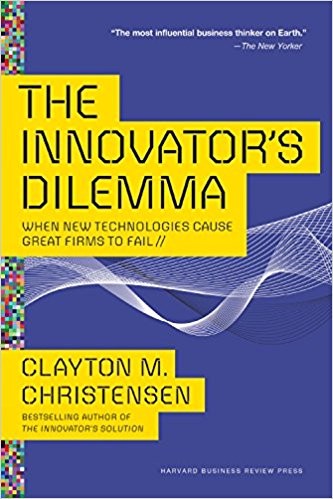
Read the summary → - The Innovator's Dilemma
03
Clayton M. Christensen · Business
Christensen's argument, published in 1997, is deceptively simple: the very practices that make companies excellent at serving their current customers — listening carefully, investing in proven technologies, targeting the most profitable segments — are precisely what causes them to miss disruptive innovations.
Both dig into business strategy.
Read the summary →
- Competitive Strategy
04
Michael E. Porter · Business
Competitive Strategy is Michael Porter's foundational framework for analyzing industries and developing competitive strategy.
Both dig into competitive advantage.
Read the summary → - Only the Paranoid Survive
05
Andrew S. Grove · Business
Only the Paranoid Survive is Andrew Grove's account of how he understood and navigated the most dangerous moments in a company's life — what he calls strategic inflection points.
A kindred business read.
Read the summary → - Capital Returns
06
Edward Chancellor · Business
Capital Returns is Edward Chancellor's edited collection of investment letters from Marathon Asset Management, a London-based fund manager, covering roughly the period from 2002 to 2015.
Both dig into competitive advantage.
Read the summary → - Competing in the Age of AI
07
Marco Iansiti & Karim Lakhani · Business
Competing in the Age of AI is Marco Iansiti and Karim Lakhani's argument that artificial intelligence is not just another technology to be adopted, but a fundamental redesign of how firms operate — and that companies built from the start with AI at their core will eventually displace firms that try to bolt AI onto traditional operating models.
Both dig into business strategy.
Read the summary → - Competition Demystified
08
Bruce Greenwald and Judd Kahn · Business
Competition Demystified is Bruce Greenwald and Judd Kahn's deliberate simplification of competitive strategy — a counterweight to the complexity of the Porter Five Forces framework, which they argue gives strategists too many variables and not enough analytical clarity.
Both dig into competitive advantage.
Read the summary → - Dealing with Darwin
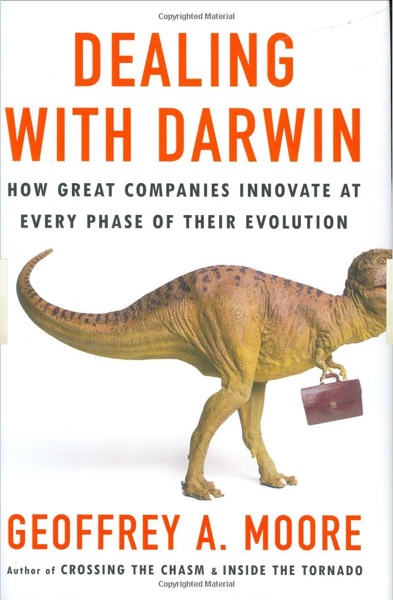
09
Geoffrey Moore · Business
Dealing with Darwin is Geoffrey Moore's 2005 argument that established companies face a form of Darwinian selection pressure that startup logic cannot address, and that surviving it requires a clear understanding of where a company sits in its technology lifecycle and what kind of innovation is appropriate at each stage.
Both dig into competitive advantage.
Read the summary → - Hegarty on Advertising: Turning Intelligence into Magic
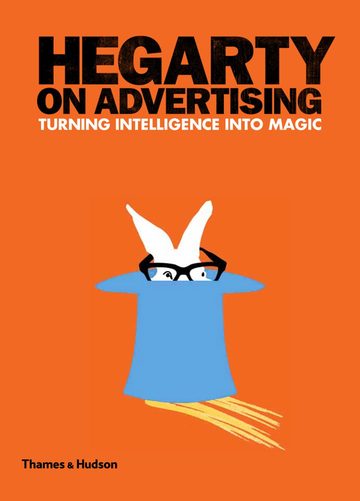
10
Hegarty on Advertising: Turning Intelligence into Magic
John Hegarty · Business
John Hegarty co-founded Bartle Bogle Hegarty in 1982 and spent four decades creating advertising that, at its best, genuinely shifted how people thought about brands.
Both dig into business strategy.
Read the summary → - Moneyball: The Art of Winning an Unfair Game
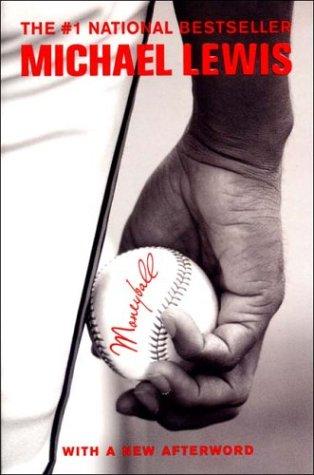
11
Moneyball: The Art of Winning an Unfair Game
Michael Lewis · Business
Moneyball is Michael Lewis's account of how Billy Beane, general manager of the Oakland Athletics, used statistical analysis to compete against teams with payrolls three times larger.
Both dig into competitive advantage.
Read the summary → - The Forever Transaction

12
Robbie Kellman Baxter · Business
The Forever Transaction is Robbie Kellman Baxter's practical guide to building subscription and membership businesses — companies where the goal isn't to close a sale but to maintain an ongoing relationship.
Both dig into business strategy.
Read the summary →
Books like 7 Powers: The Foundations of Business Strategy: quick answers
What are the best books like 7 Powers: The Foundations of Business Strategy?
The best books like 7 Powers: The Foundations of Business Strategy by Hamilton Helmer are Good to Great by Jim Collins, Zero to One: Notes on Startups, or How to Build the Future by Peter Thiel, The Innovator's Dilemma by Clayton M. Christensen, Competitive Strategy by Michael E. Porter, Only the Paranoid Survive by Andrew S. Grove, plus 7 more below. Each was chosen for themes it shares with 7 Powers: The Foundations of Business Strategy, such as competitive advantage, business strategy, moats.
What should I read after 7 Powers: The Foundations of Business Strategy?
A natural next read after 7 Powers: The Foundations of Business Strategy is Good to Great by Jim Collins. A kindred business read. Other strong choices are Zero to One: Notes on Startups, or How to Build the Future by Peter Thiel, The Innovator's Dilemma by Clayton M. Christensen, Competitive Strategy by Michael E. Porter.
What books are similar to 7 Powers: The Foundations of Business Strategy by Hamilton Helmer?
7 Powers: The Foundations of Business Strategy centers on competitive advantage, business strategy, moats. Books with a similar feel include Good to Great by Jim Collins, Zero to One: Notes on Startups, or How to Build the Future by Peter Thiel, The Innovator's Dilemma by Clayton M. Christensen, Competitive Strategy by Michael E. Porter, Only the Paranoid Survive by Andrew S. Grove, Capital Returns by Edward Chancellor — all free to read and chat with on Superbook.
