Economics · Similar reads
Books like Free to Choose: A Personal Statement
The best books like Free to Choose: A Personal Statement are Capitalism and Freedom, The Road to Serfdom, and Why Nations Fail: The Origins of Power, Prosperity, and Poverty. Free to Choose: A Personal Statement by Milton Friedman and Rose Friedman is about free markets, individual liberty, government intervention. If that's what drew you in, here are 12 books that share its DNA — each summarized on Superbook, and ready to chat with in the app.
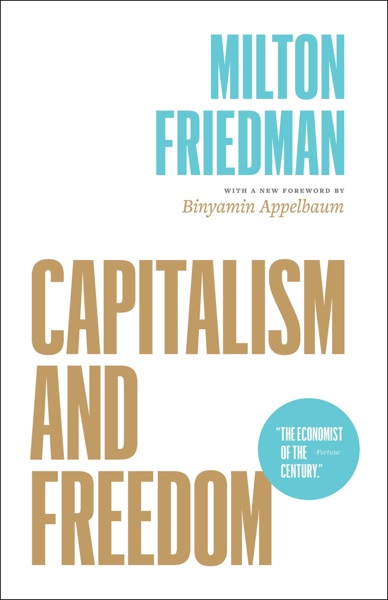
- Capitalism and Freedom
01
Milton Friedman · Economics
Capitalism and Freedom was published in 1962, and the ideas it contains had been circulating even longer — the book grew from lectures Friedman gave at a 1956 conference.
Shares individual liberty and monetary policy with Free to Choose: A Personal Statement.
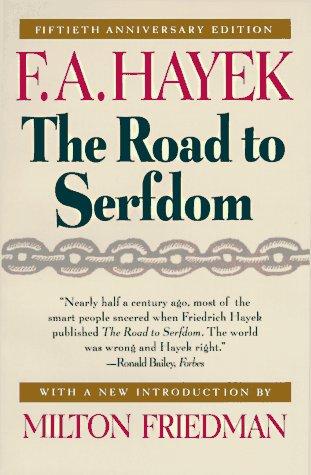
Read the summary → - The Road to Serfdom
02
F. A. Hayek · Politics
The Road to Serfdom, published in 1944, is Friedrich Hayek's argument that central economic planning is incompatible with political freedom and will, regardless of intent, produce a form of totalitarianism.
A kindred economics read.
Read the summary → - Why Nations Fail: The Origins of Power, Prosperity, and Poverty
03
Why Nations Fail: The Origins of Power, Prosperity, and Poverty
Daron Acemoglu and James A. Robinson · Economics
Daron Acemoglu and James Robinson argue that the fundamental difference between rich and poor countries is not geography, culture, or bad luck.
A kindred economics read.
Read the summary →
- The Wealth of Nations
04
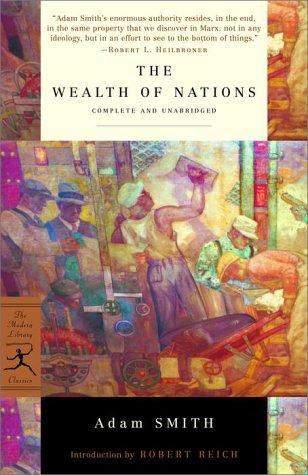
Adam Smith · Economics
An Inquiry into the Nature and Causes of the Wealth of Nations, published in 1776, is Adam Smith's comprehensive account of how modern commercial economies work and what policies promote prosperity.
Both dig into free markets.
Read the summary → - Thinking, Fast and Slow
05
Daniel Kahneman · Psychology
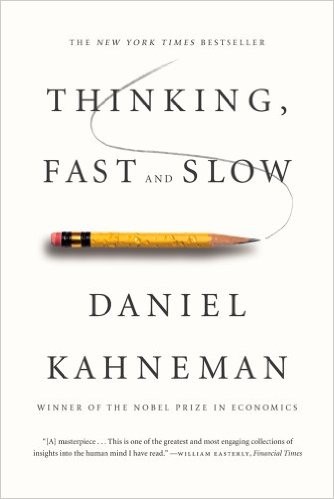
Thinking, Fast and Slow is Daniel Kahneman's account of the two cognitive systems that govern human thought.
A kindred economics read.
Read the summary → - Basic Economics: A Common Sense Guide to the Economy
06
Basic Economics: A Common Sense Guide to the Economy
Thomas Sowell · Economics
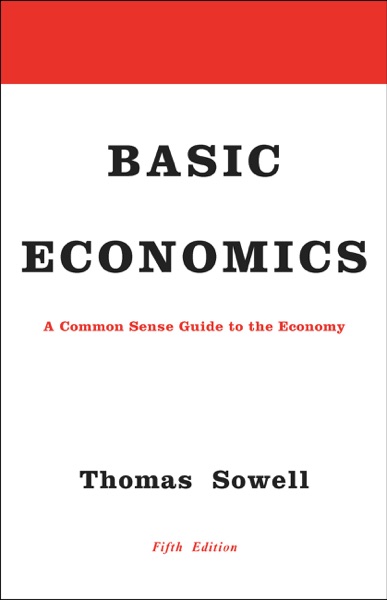
Thomas Sowell published the first edition of Basic Economics in 2000 and has since revised and expanded it through five editions.
Both dig into government intervention.
Read the summary → - Economics in One Lesson
07
Henry Hazlitt · Economics
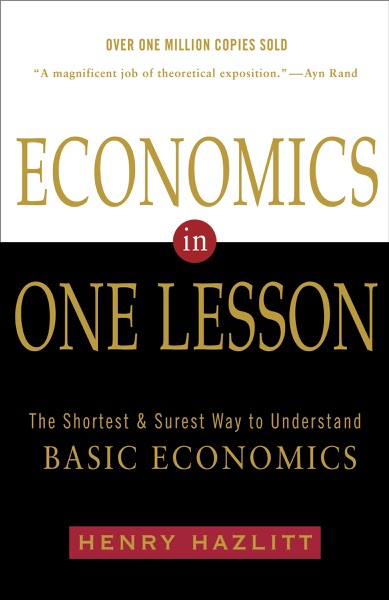
Henry Hazlitt wrote Economics in One Lesson in 1946, based on a single insight he credited to the nineteenth-century French economist Frédéric Bastiat: the difference between a good economist and a bad economist is that the good economist considers the effects of a policy on all groups, not just the immediately visible beneficiaries, and over the long run, not just the immediate term.
Both dig into free markets.
Read the summary → - The Capitalist Manifesto: Why the Global Free Market Will Save the World
08
The Capitalist Manifesto: Why the Global Free Market Will Save the World
Johan Norberg · Economics
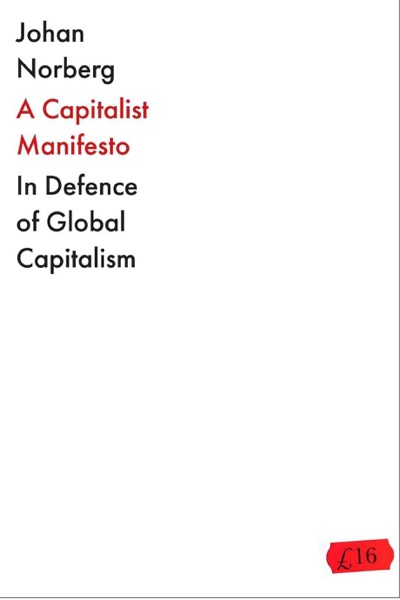
Johan Norberg has made a career of making the case that open markets have lifted more people out of poverty than any other force in human history, and The Capitalist Manifesto is his most direct statement of that argument.
Both dig into free markets.
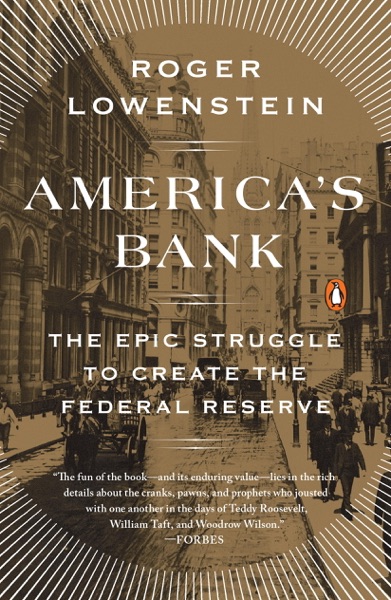
Read the summary → - America's Bank: The Epic Struggle to Create the Federal Reserve
09
America's Bank: The Epic Struggle to Create the Federal Reserve
Roger Lowenstein · History
The Federal Reserve was created in 1913, but the story of how it came into existence spans three decades and involves a level of political resistance, financial panic, and legislative maneuvering that makes the eventual outcome seem unlikely in retrospect.
Both dig into monetary policy.
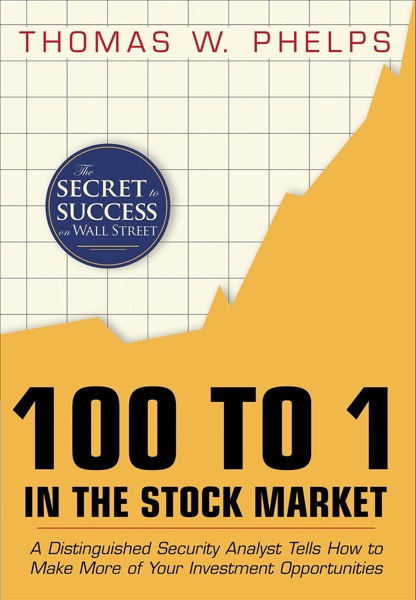
Read the summary → - 100 to 1 in the Stock Market
10
Thomas Phelps · Economics
100 to 1 in the Stock Market, published in 1972 by Thomas Phelps, is a study of the conditions under which stocks return one hundred times an investor's original investment — and an argument that such stocks are more common and more identifiable in advance than most investors believe.
A kindred economics read.
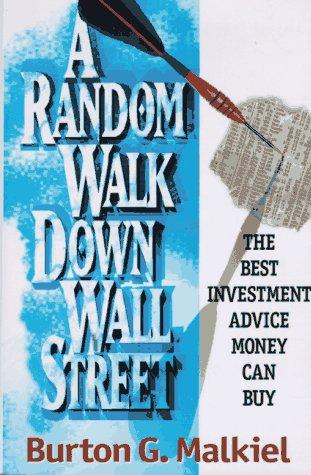
Read the summary → - A Random Walk Down Wall Street
11
A Random Walk Down Wall Street
Burton G. Malkiel · Economics
A Random Walk Down Wall Street is Burton Malkiel's argument that stock prices move in a way that is effectively unpredictable, that professional fund managers cannot consistently beat the market, and that the rational response for most investors is to buy and hold a diversified index fund.
A kindred economics read.
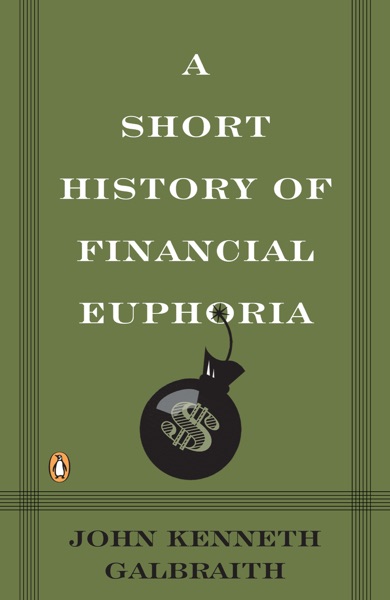
Read the summary → - A Short History of Financial Euphoria
12
A Short History of Financial Euphoria
John Kenneth Galbraith · Economics
A Short History of Financial Euphoria is John Kenneth Galbraith's compressed account of speculative bubbles from the tulip mania of 1630s Holland through the 1987 US stock market crash.
A kindred economics read.
Read the summary →
Books like Free to Choose: A Personal Statement: quick answers
What are the best books like Free to Choose: A Personal Statement?
The best books like Free to Choose: A Personal Statement by Milton Friedman and Rose Friedman are Capitalism and Freedom by Milton Friedman, The Road to Serfdom by F. A. Hayek, Why Nations Fail: The Origins of Power, Prosperity, and Poverty by Daron Acemoglu and James A. Robinson, The Wealth of Nations by Adam Smith, Thinking, Fast and Slow by Daniel Kahneman, plus 7 more below. Each was chosen for themes it shares with Free to Choose: A Personal Statement, such as free markets, individual liberty, government intervention.
What should I read after Free to Choose: A Personal Statement?
A natural next read after Free to Choose: A Personal Statement is Capitalism and Freedom by Milton Friedman. Shares individual liberty and monetary policy with Free to Choose: A Personal Statement. Other strong choices are The Road to Serfdom by F. A. Hayek, Why Nations Fail: The Origins of Power, Prosperity, and Poverty by Daron Acemoglu and James A. Robinson, The Wealth of Nations by Adam Smith.
What books are similar to Free to Choose: A Personal Statement by Milton Friedman and Rose Friedman?
Free to Choose: A Personal Statement centers on free markets, individual liberty, government intervention. Books with a similar feel include Capitalism and Freedom by Milton Friedman, The Road to Serfdom by F. A. Hayek, Why Nations Fail: The Origins of Power, Prosperity, and Poverty by Daron Acemoglu and James A. Robinson, The Wealth of Nations by Adam Smith, Thinking, Fast and Slow by Daniel Kahneman, Basic Economics: A Common Sense Guide to the Economy by Thomas Sowell — all free to read and chat with on Superbook.
