History · Similar reads
Books like How We Got to Now
The best books like How We Got to Now are The Information: A History, a Theory, a Flood, The Innovators: How a Group of Hackers, Geniuses, and Geeks Created the Digital Revolution, and Chaos: Making a New Science. How We Got to Now by Steven Johnson is about innovation, interconnectedness, technology history. If that's what drew you in, here are 12 books that share its DNA — each summarized on Superbook, and ready to chat with in the app.
- The Information: A History, a Theory, a Flood
01
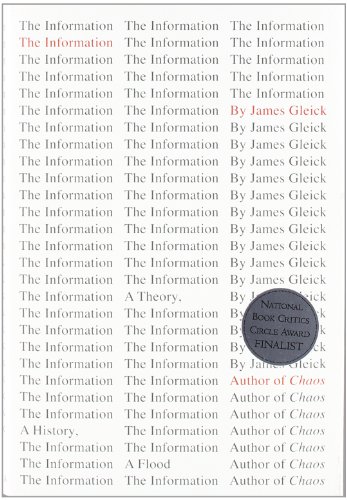
The Information: A History, a Theory, a Flood
James Gleick · Science
The Information traces the history of information — as a concept, a technology, and a way of understanding the universe — from the talking drums of West Africa through the telegraph, the printing press, the telephone, and into the digital age.
A kindred history read.
Read the summary → - The Innovators: How a Group of Hackers, Geniuses, and Geeks Created the Digital Revolution
02
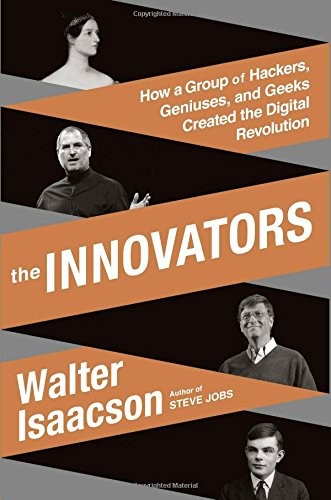
The Innovators: How a Group of Hackers, Geniuses, and Geeks Created the Digital Revolution
Walter Isaacson · Science
The Innovators is Walter Isaacson's history of the digital revolution, tracing the development of computers and the internet from Ada Lovelace's conceptualization of programming in the 1840s through the emergence of the modern internet, personal computer, and smartphone.
Shares innovation and technology history with How We Got to Now.
Read the summary → - Chaos: Making a New Science
03
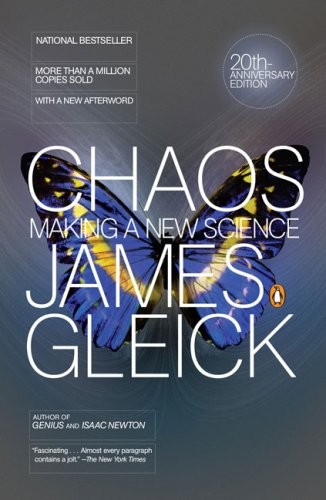
James Gleick · Science
Chaos: Making a New Science, published in 1987, tells the story of how a loose network of scientists working across meteorology, mathematics, biology, and physics in the 1960s and 1970s developed chaos theory — the study of systems that are deterministic but unpredictable because tiny differences in initial conditions produce wildly different outcomes.
A kindred history read.
Read the summary →
- Guns, Germs, and Steel
04
Jared Diamond · Science
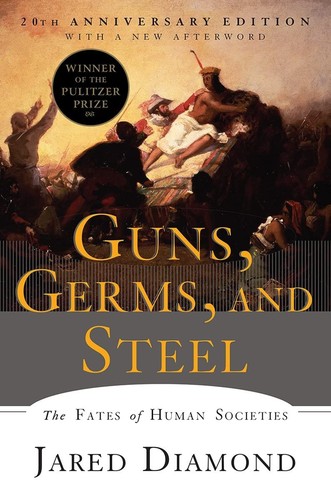
Guns, Germs, and Steel is Jared Diamond's attempt to answer a question posed to him by a Papua New Guinean politician named Yali: why did Europeans end up with so much cargo — wealth, technology, power — while other peoples had comparatively little?
A kindred history read.
Read the summary → - Sapiens: A Brief History of Humankind
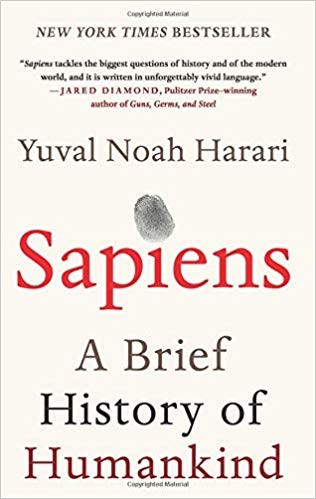
05
Sapiens: A Brief History of Humankind
Yuval Noah Harari · History
Sapiens traces the full arc of human history from the emergence of Homo sapiens in Africa roughly 70,000 years ago to the present.
A kindred history read.
Read the summary → - How the Internet Happened
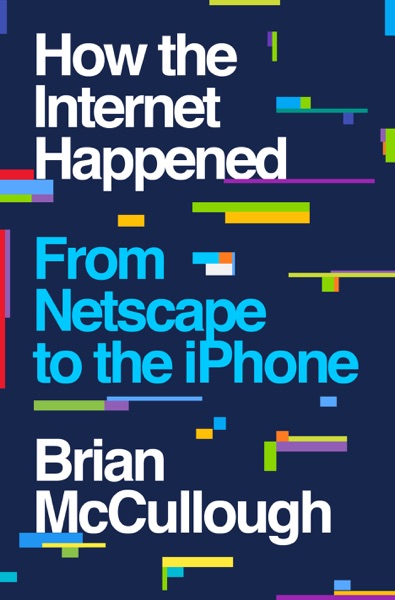
06
Brian McCullough · History
How the Internet Happened covers the commercial history of the internet from the release of Mosaic in 1993 to the launch of the iPhone in 2007 — the window in which the web went from academic experiment to the defining infrastructure of modern life.
Shares innovation and technology history with How We Got to Now.
Read the summary → - Americana
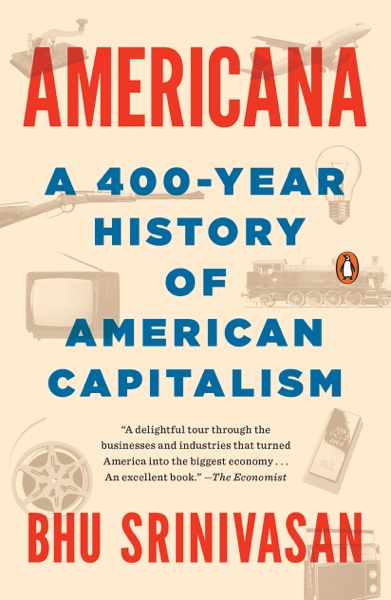
07
Bhu Srinivasan · History
Americana is Bhu Srinivasan's attempt to tell the history of American capitalism through its defining industries and the entrepreneurs who built them.
Both dig into innovation.
Read the summary → - Empires of Light
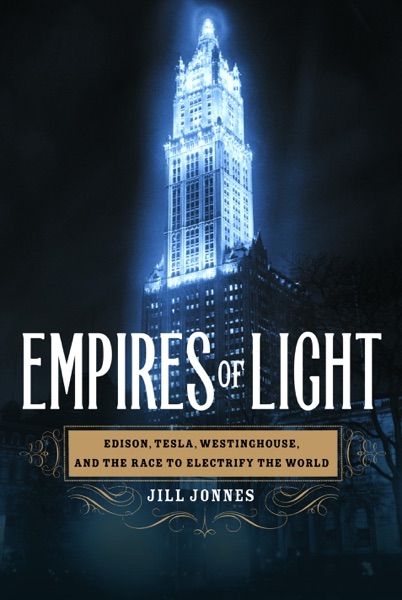
08
Jill Jonnes · History
Empires of Light is Jill Jonnes's history of the War of Currents — the late-nineteenth-century battle between Thomas Edison's direct-current electrical system and George Westinghouse's alternating-current system, with Nikola Tesla as the third figure whose genius made AC practical.
Both dig into innovation.
Read the summary → - The Last Days of Night
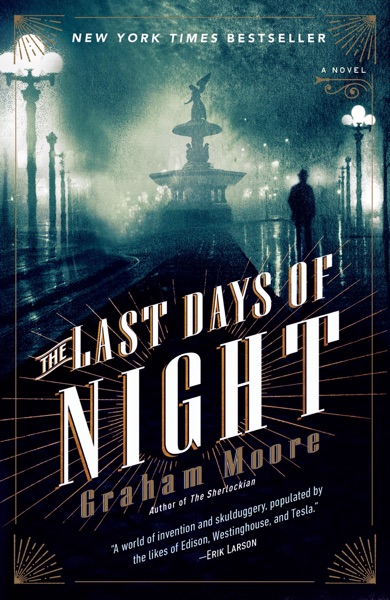
09
Graham Moore · History
The Last Days of Night is Graham Moore's historical novel about the legal and commercial war between Thomas Edison and George Westinghouse over the electrification of America.
Both dig into innovation.
Read the summary → - Thunderstruck
10
Erik Larson · History
Thunderstruck interweaves two narratives set in Edwardian England and the North Atlantic: the story of Guglielmo Marconi's obsessive drive to make wireless telegraphy work across the Atlantic Ocean, and the story of Hawley Harvey Crippen, a mild-mannered American doctor who murdered his wife in London in 1910 and fled with his mistress — only to be captured at sea because of a wireless telegraph message, the first criminal caught with the technology's help.
Both dig into innovation.
Read the summary → - Where Wizards Stay Up Late
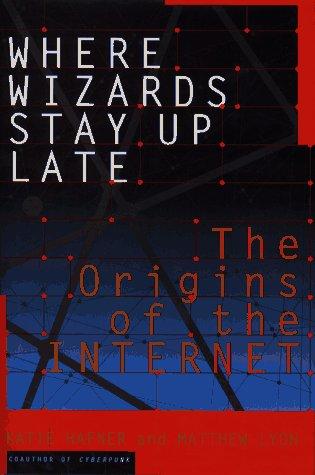
11
Katie Hafner & Matthew Lyon · History
Where Wizards Stay Up Late is the history of ARPANET, the government-funded network that became the technical foundation of the internet.
Both dig into innovation.
Read the summary → - Basic Economics: A Common Sense Guide to the Economy
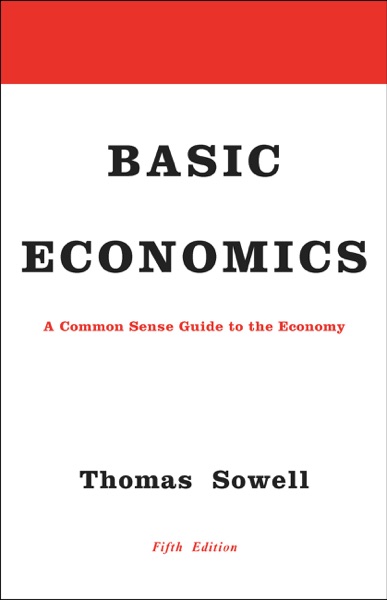
12
Basic Economics: A Common Sense Guide to the Economy
Thomas Sowell · Economics
Thomas Sowell published the first edition of Basic Economics in 2000 and has since revised and expanded it through five editions.
Both dig into unintended consequences.
Read the summary →
Books like How We Got to Now: quick answers
What are the best books like How We Got to Now?
The best books like How We Got to Now by Steven Johnson are The Information: A History, a Theory, a Flood by James Gleick, The Innovators: How a Group of Hackers, Geniuses, and Geeks Created the Digital Revolution by Walter Isaacson, Chaos: Making a New Science by James Gleick, Guns, Germs, and Steel by Jared Diamond, Sapiens: A Brief History of Humankind by Yuval Noah Harari, plus 7 more below. Each was chosen for themes it shares with How We Got to Now, such as innovation, interconnectedness, technology history.
What should I read after How We Got to Now?
A natural next read after How We Got to Now is The Information: A History, a Theory, a Flood by James Gleick. A kindred history read. Other strong choices are The Innovators: How a Group of Hackers, Geniuses, and Geeks Created the Digital Revolution by Walter Isaacson, Chaos: Making a New Science by James Gleick, Guns, Germs, and Steel by Jared Diamond.
What books are similar to How We Got to Now by Steven Johnson?
How We Got to Now centers on innovation, interconnectedness, technology history. Books with a similar feel include The Information: A History, a Theory, a Flood by James Gleick, The Innovators: How a Group of Hackers, Geniuses, and Geeks Created the Digital Revolution by Walter Isaacson, Chaos: Making a New Science by James Gleick, Guns, Germs, and Steel by Jared Diamond, Sapiens: A Brief History of Humankind by Yuval Noah Harari, How the Internet Happened by Brian McCullough — all free to read and chat with on Superbook.
