History · Similar reads
Books like The Anatomy of Fascism
The best books like The Anatomy of Fascism are The Rise and Fall of the Third Reich, Sapiens: A Brief History of Humankind, and Guns, Germs, and Steel. The Anatomy of Fascism by Robert O. Paxton is about fascism, political violence, nationalism. If that's what drew you in, here are 12 books that share its DNA — each summarized on Superbook, and ready to chat with in the app.
- The Rise and Fall of the Third Reich
01
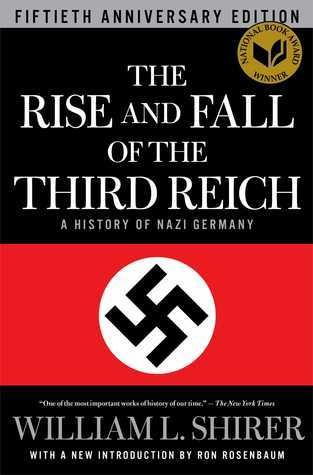
The Rise and Fall of the Third Reich
William L. Shirer · History
The Rise and Fall of the Third Reich is William Shirer's comprehensive account of Nazi Germany from the early career of Adolf Hitler through the defeat of the Reich in 1945.
A kindred history read.
Read the summary → - Sapiens: A Brief History of Humankind
02
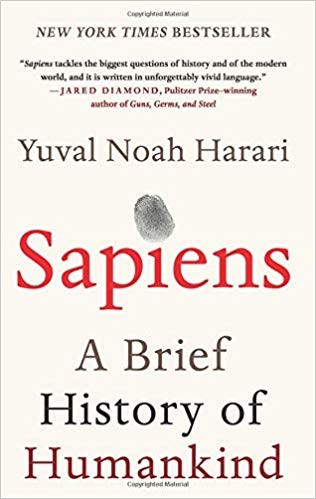
Sapiens: A Brief History of Humankind
Yuval Noah Harari · History
Sapiens traces the full arc of human history from the emergence of Homo sapiens in Africa roughly 70,000 years ago to the present.
A kindred history read.
Read the summary → - Guns, Germs, and Steel
03
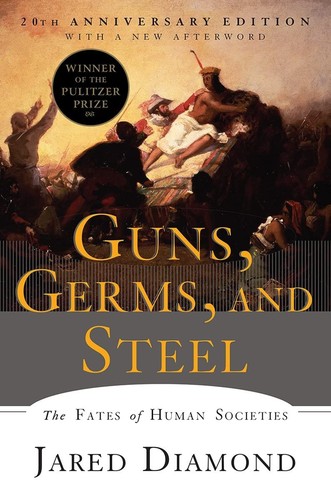
Jared Diamond · Science
Guns, Germs, and Steel is Jared Diamond's attempt to answer a question posed to him by a Papua New Guinean politician named Yali: why did Europeans end up with so much cargo — wealth, technology, power — while other peoples had comparatively little?
A kindred history read.
Read the summary →
- American Prometheus

04
Kai Bird and Martin J. Sherwin · Biography
Kai Bird and Martin J.
A kindred history read.
Read the summary → - Twilight of Democracy: The Seductive Lure of Authoritarianism

05
Twilight of Democracy: The Seductive Lure of Authoritarianism
Anne Applebaum · History
Anne Applebaum opens Twilight of Democracy with a party she and her husband hosted on New Year's Eve 1999, celebrating the new millennium with a hundred friends and colleagues in Poland.
Shares nationalism and authoritarianism with The Anatomy of Fascism.
Read the summary → - Hitler's Willing Executioners: Ordinary Germans and the Holocaust
06
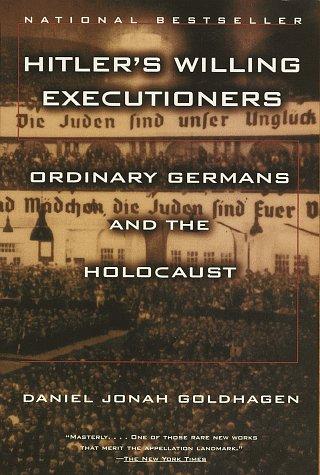
Hitler's Willing Executioners: Ordinary Germans and the Holocaust
Daniel Jonah Goldhagen · History
Hitler's Willing Executioners is Daniel Goldhagen's argument that the Holocaust was made possible by a specifically German form of antisemitism — what he calls "eliminationist antisemitism" — that was so deeply embedded in German culture by the twentieth century that ordinary Germans participated in the genocide willingly, not reluctantly, and often with evident enthusiasm.
Both dig into ideology.
Read the summary → - Say Nothing: A True Story of Murder and Memory in Northern Ireland
07
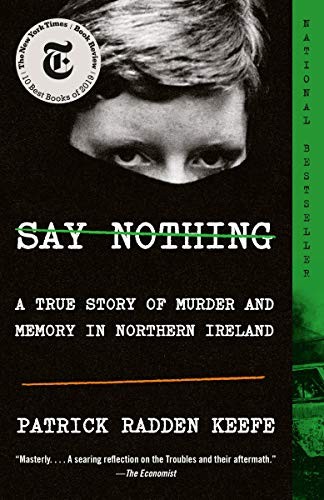
Say Nothing: A True Story of Murder and Memory in Northern Ireland
Patrick Radden Keefe · History
Say Nothing opens with a scene that sets its register precisely: Jean McConville, a widowed mother of ten, is dragged from her Belfast flat by a gang of masked strangers in December 1972 and never seen alive again.
Both dig into political violence.
Read the summary → - The Captive Mind
08
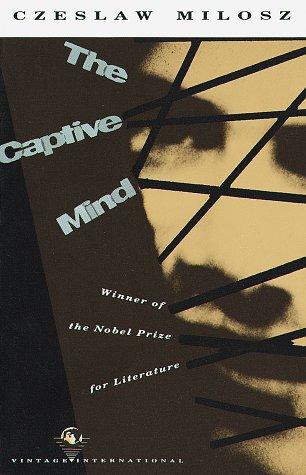
Czesław Miłosz · History
The Captive Mind is Czesław Miłosz's study of how intellectuals living under Soviet-imposed communism in postwar Eastern Europe came to accommodate, justify, and eventually internalize the ideology they had initially resisted.
Both dig into ideology.
Read the summary → - The Cold War: A New History
09
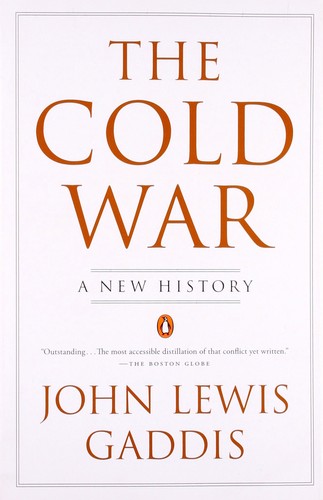
John Lewis Gaddis · History
John Lewis Gaddis wrote The Cold War: A New History as a short, synthetic account of the entire superpower conflict, from the end of World War II through the Soviet collapse in 1991.
Both dig into ideology.
Read the summary → - The Communist Manifesto

10
Karl Marx and Friedrich Engels · History
Published in 1848 on the eve of a wave of European revolutions, The Communist Manifesto is a short political pamphlet that has shaped more history than almost any other document of its length.
Both dig into ideology.
Read the summary → - The End of History and the Last Man
11
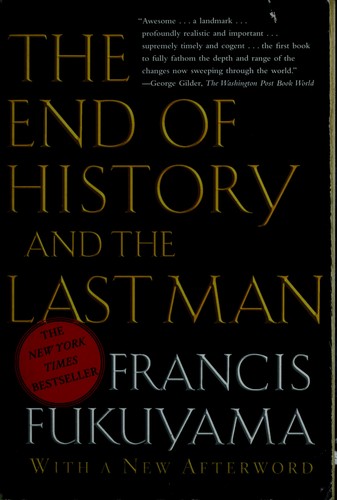
The End of History and the Last Man
Francis Fukuyama · History
Francis Fukuyama's The End of History and the Last Man was published in 1992, following the collapse of the Soviet Union and the apparent triumph of liberal democracy as the world's dominant political model.
Both dig into ideology.
Read the summary → - The Guns of August
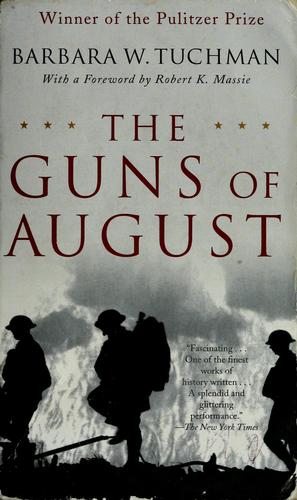
12
Barbara Tuchman · History
The Guns of August covers the first month of the First World War — from the funeral of King Edward VII in May 1910 to the stalled offensives of September 1914 — with a level of narrative authority and moral clarity that has made it the defining popular history of the war's opening disaster.
Both dig into nationalism.
Read the summary →
Books like The Anatomy of Fascism: quick answers
What are the best books like The Anatomy of Fascism?
The best books like The Anatomy of Fascism by Robert O. Paxton are The Rise and Fall of the Third Reich by William L. Shirer, Sapiens: A Brief History of Humankind by Yuval Noah Harari, Guns, Germs, and Steel by Jared Diamond, American Prometheus by Kai Bird and Martin J. Sherwin, Twilight of Democracy: The Seductive Lure of Authoritarianism by Anne Applebaum, plus 7 more below. Each was chosen for themes it shares with The Anatomy of Fascism, such as fascism, political violence, nationalism.
What should I read after The Anatomy of Fascism?
A natural next read after The Anatomy of Fascism is The Rise and Fall of the Third Reich by William L. Shirer. A kindred history read. Other strong choices are Sapiens: A Brief History of Humankind by Yuval Noah Harari, Guns, Germs, and Steel by Jared Diamond, American Prometheus by Kai Bird and Martin J. Sherwin.
What books are similar to The Anatomy of Fascism by Robert O. Paxton?
The Anatomy of Fascism centers on fascism, political violence, nationalism. Books with a similar feel include The Rise and Fall of the Third Reich by William L. Shirer, Sapiens: A Brief History of Humankind by Yuval Noah Harari, Guns, Germs, and Steel by Jared Diamond, American Prometheus by Kai Bird and Martin J. Sherwin, Twilight of Democracy: The Seductive Lure of Authoritarianism by Anne Applebaum, Hitler's Willing Executioners: Ordinary Germans and the Holocaust by Daniel Jonah Goldhagen — all free to read and chat with on Superbook.
