History · Similar reads
Books like The Changing World Order
The best books like The Changing World Order are Principles, Sapiens: A Brief History of Humankind, and Guns, Germs, and Steel. The Changing World Order by Ray Dalio is about geopolitics, empire cycles, economic history. If that's what drew you in, here are 12 books that share its DNA — each summarized on Superbook, and ready to chat with in the app.
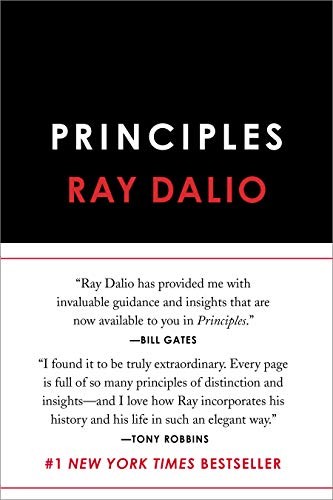
- Principles
01
Ray Dalio · Business
Principles is Ray Dalio's account of the mental models and management philosophy that he developed over forty years as founder of Bridgewater Associates, the world's largest hedge fund.
A kindred history read.
Read the summary → - Sapiens: A Brief History of Humankind
02
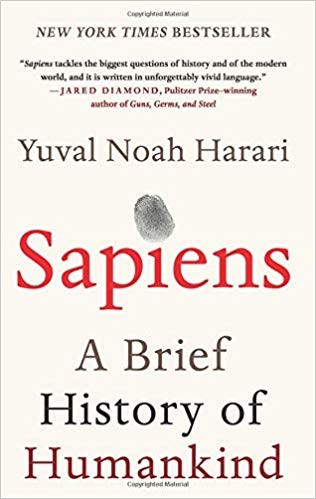
Sapiens: A Brief History of Humankind
Yuval Noah Harari · History
Sapiens traces the full arc of human history from the emergence of Homo sapiens in Africa roughly 70,000 years ago to the present.
A kindred history read.
Read the summary → - Guns, Germs, and Steel
03
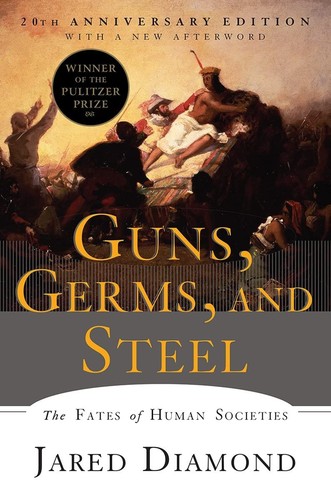
Jared Diamond · Science
Guns, Germs, and Steel is Jared Diamond's attempt to answer a question posed to him by a Papua New Guinean politician named Yali: why did Europeans end up with so much cargo — wealth, technology, power — while other peoples had comparatively little?
A kindred history read.
Read the summary →
- Why Nations Fail: The Origins of Power, Prosperity, and Poverty
04
Why Nations Fail: The Origins of Power, Prosperity, and Poverty
Daron Acemoglu and James A. Robinson · Economics
Daron Acemoglu and James Robinson argue that the fundamental difference between rich and poor countries is not geography, culture, or bad luck.
A kindred history read.
Read the summary → - The End of History and the Last Man
05
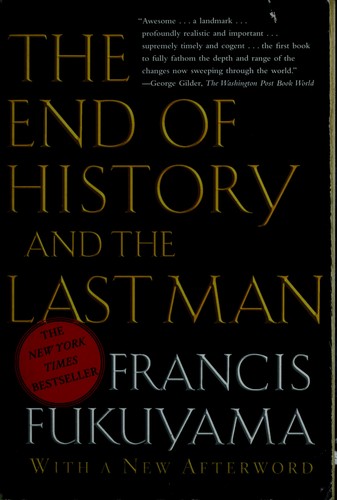
The End of History and the Last Man
Francis Fukuyama · History
Francis Fukuyama's The End of History and the Last Man was published in 1992, following the collapse of the Soviet Union and the apparent triumph of liberal democracy as the world's dominant political model.
Both dig into geopolitics.
Read the summary → - America's Bank: The Epic Struggle to Create the Federal Reserve
06
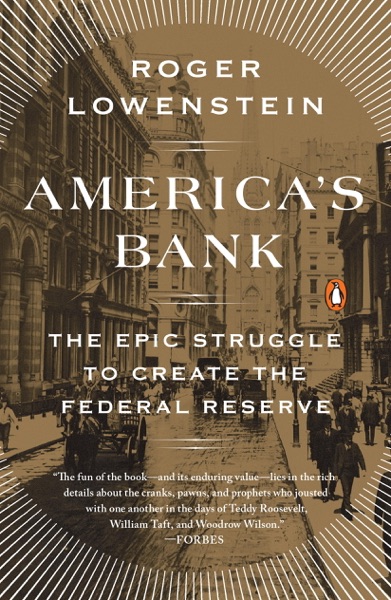
America's Bank: The Epic Struggle to Create the Federal Reserve
Roger Lowenstein · History
The Federal Reserve was created in 1913, but the story of how it came into existence spans three decades and involves a level of political resistance, financial panic, and legislative maneuvering that makes the eventual outcome seem unlikely in retrospect.
Both dig into economic history.
Read the summary → - Empire of Pain: The Secret History of the Sackler Dynasty
07
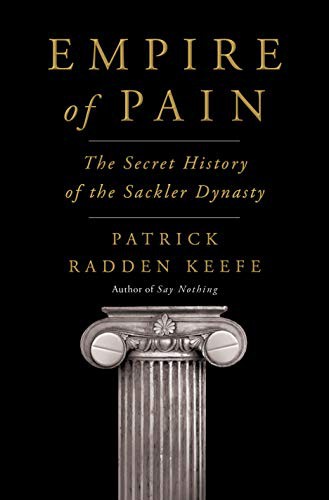
Empire of Pain: The Secret History of the Sackler Dynasty
Patrick Radden Keefe · History
Empire of Pain is Patrick Radden Keefe's account of the Sackler family — the dynasty behind Purdue Pharma and the opioid crisis — told across three generations.
Both dig into wealth and power.
Read the summary → - The Clash of Civilizations and the Remaking of World Order
08
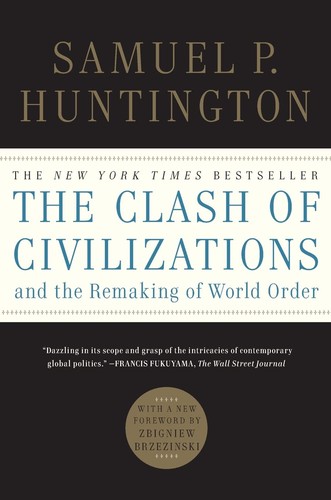
The Clash of Civilizations and the Remaking of World Order
Samuel P. Huntington · History
Samuel Huntington's The Clash of Civilizations and the Remaking of World Order, published in 1996, is an expansion of a 1993 Foreign Affairs essay that generated more response than almost any article in that journal's history.
Both dig into geopolitics.
Read the summary → - The Cold War: A New History
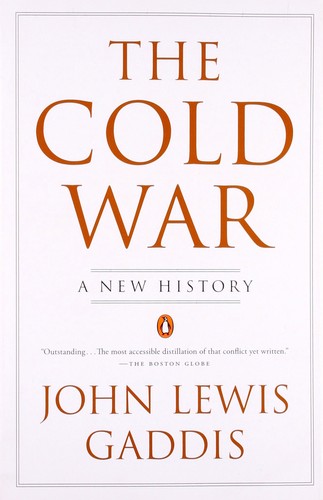
09
John Lewis Gaddis · History
John Lewis Gaddis wrote The Cold War: A New History as a short, synthetic account of the entire superpower conflict, from the end of World War II through the Soviet collapse in 1991.
Both dig into geopolitics.
Read the summary → - The Prize
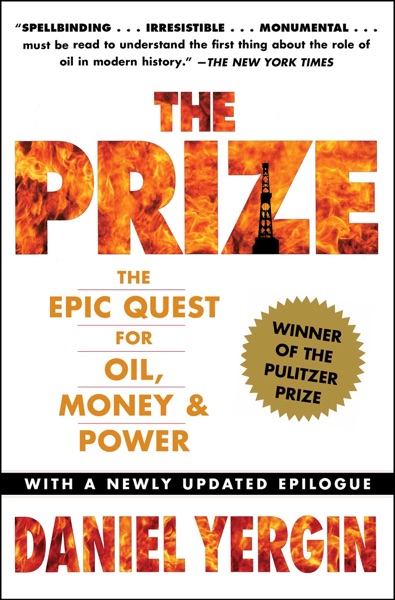
10
Daniel Yergin · History
The Prize is Daniel Yergin's comprehensive history of the oil industry from its origins in Pennsylvania in 1859 through the Gulf War of 1990 and 1991.
Both dig into geopolitics.
Read the summary → - The Road to Unfreedom: Russia, Europe, America
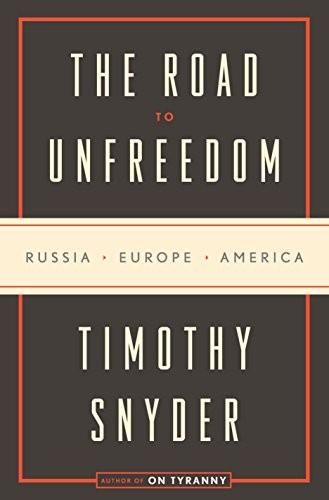
11
The Road to Unfreedom: Russia, Europe, America
Timothy Snyder · History
The Road to Unfreedom is Timothy Snyder's analysis of how Russia developed a new form of authoritarian politics under Vladimir Putin and began exporting it to Europe and the United States in the 2010s.
Both dig into geopolitics.
Read the summary → - The Silk Roads: A New History of the World
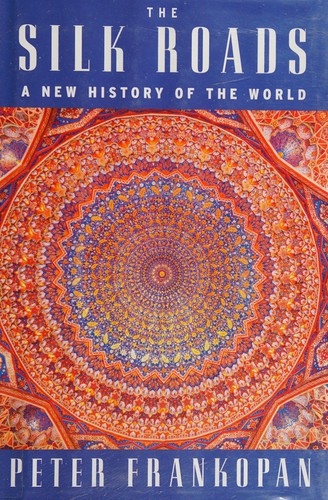
12
The Silk Roads: A New History of the World
Peter Frankopan · History
Peter Frankopan's The Silk Roads proposes a radical recentering of world history.
Both dig into geopolitics.
Read the summary →
Books like The Changing World Order: quick answers
What are the best books like The Changing World Order?
The best books like The Changing World Order by Ray Dalio are Principles by Ray Dalio, Sapiens: A Brief History of Humankind by Yuval Noah Harari, Guns, Germs, and Steel by Jared Diamond, Why Nations Fail: The Origins of Power, Prosperity, and Poverty by Daron Acemoglu and James A. Robinson, The End of History and the Last Man by Francis Fukuyama, plus 7 more below. Each was chosen for themes it shares with The Changing World Order, such as geopolitics, empire cycles, economic history.
What should I read after The Changing World Order?
A natural next read after The Changing World Order is Principles by Ray Dalio. A kindred history read. Other strong choices are Sapiens: A Brief History of Humankind by Yuval Noah Harari, Guns, Germs, and Steel by Jared Diamond, Why Nations Fail: The Origins of Power, Prosperity, and Poverty by Daron Acemoglu and James A. Robinson.
What books are similar to The Changing World Order by Ray Dalio?
The Changing World Order centers on geopolitics, empire cycles, economic history. Books with a similar feel include Principles by Ray Dalio, Sapiens: A Brief History of Humankind by Yuval Noah Harari, Guns, Germs, and Steel by Jared Diamond, Why Nations Fail: The Origins of Power, Prosperity, and Poverty by Daron Acemoglu and James A. Robinson, The End of History and the Last Man by Francis Fukuyama, America's Bank: The Epic Struggle to Create the Federal Reserve by Roger Lowenstein — all free to read and chat with on Superbook.
