Business · Similar reads
Books like The Culture Code
The best books like The Culture Code are Leaders Eat Last, Dare to Lead, and The Five Dysfunctions of a Team. The Culture Code by Daniel Coyle is about organizational culture, team dynamics, psychological safety. If that's what drew you in, here are 12 books that share its DNA — each summarized on Superbook, and ready to chat with in the app.
- Leaders Eat Last
01
Simon Sinek · Business
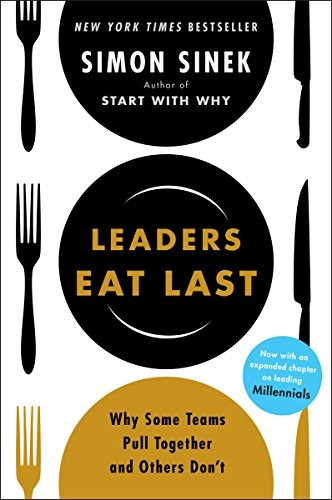
Leaders Eat Last is Simon Sinek's argument that the best organizations run on a feeling he calls the Circle of Safety — an environment where people trust that the people above them in the hierarchy have their interests at heart.
Shares organizational culture and team dynamics with The Culture Code.
Read the summary → - Dare to Lead
02
Brené Brown · Business
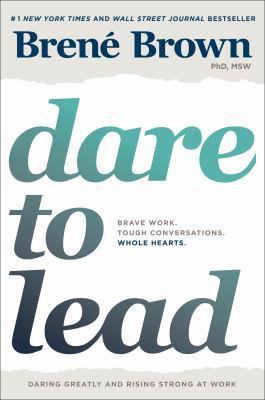
Dare to Lead is Brené Brown's application of her research on vulnerability and courage to the specific context of leadership.
Shares organizational culture and leadership with The Culture Code.
Read the summary → - The Five Dysfunctions of a Team
03
The Five Dysfunctions of a Team
Patrick Lencioni · Business
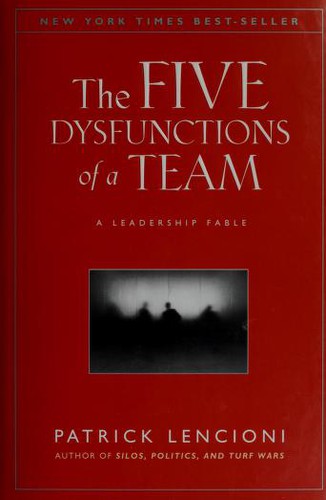
The Five Dysfunctions of a Team is Patrick Lencioni's argument that most teams fail not because of strategy, talent, or resources, but because of five specific, predictable behavioral problems that compound on each other.
Both dig into leadership.
Read the summary →
- Multipliers
04
Liz Wiseman · Business
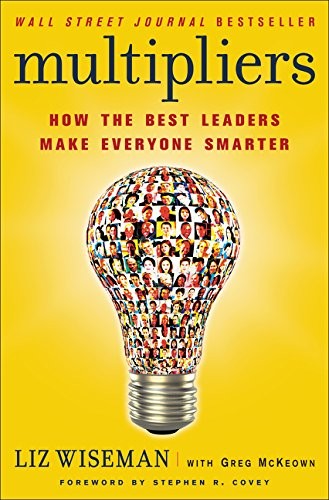
Multipliers is Liz Wiseman's exploration of a striking leadership pattern: some leaders make the people around them smarter, more capable, and more engaged, while other leaders — often equally intelligent and well-intentioned — make the people around them dumber, more dependent, and less confident.
Both dig into leadership.
Read the summary → - Humble Inquiry
05
Edgar H. Schein · Business
Humble Inquiry is Edgar Schein's argument that the most important communication skill in leadership is the ability to ask questions in a genuinely curious, non-manipulative way — and that most organizational cultures systematically undervalue this skill in favor of telling, which creates problems both for individual relationships and for organizational safety and learning.
Shares organizational culture and psychological safety with The Culture Code.
Read the summary → - Amp It Up: Leading for Hypergrowth by Raising Expectations, Increasing Urgency, and Elevating Intensity
06
Frank Slootman · Business
Amp It Up is Frank Slootman's account of how he approaches leading organizations through rapid growth.
Shares organizational culture and leadership with The Culture Code.
Read the summary → - An Everyone Culture
07
Robert Kegan and Lisa Laskow Lahey · Business
An Everyone Culture introduces what Robert Kegan and Lisa Laskow Lahey call the Deliberately Developmental Organization — a company designed around the idea that the work of personal growth and the work of business performance are not separate activities but the same thing.
Shares organizational culture and psychological safety with The Culture Code.
Read the summary → - Built to Last: Successful Habits of Visionary Companies
08
Built to Last: Successful Habits of Visionary Companies
Jim Collins and Jerry I. Porras · Business
Built to Last is Jim Collins and Jerry Porras's six-year research project into what separates companies that endure for decades from those that simply perform well for a season.
Shares organizational culture and leadership with The Culture Code.
Read the summary → - Creativity, Inc.: Overcoming the Unseen Forces That Stand in the Way of True Inspiration
09
Creativity, Inc.: Overcoming the Unseen Forces That Stand in the Way of True Inspiration
Ed Catmull and Amy Wallace · Business
Creativity, Inc.
Shares organizational culture and leadership with The Culture Code.
Read the summary → - Death by Meeting
10
Patrick Lencioni · Business
Death by Meeting is Patrick Lencioni's diagnosis of one of the most universal corporate dysfunctions: meetings that are simultaneously painful and pointless.
Shares team dynamics and leadership with The Culture Code.
Read the summary → - Diagnosing and Changing Organizational Culture
11
Diagnosing and Changing Organizational Culture
Kim S. Cameron and Robert E. Quinn · Business
Diagnosing and Changing Organizational Culture introduces the Competing Values Framework, a model Cameron and Quinn developed at the University of Michigan for assessing and intentionally changing organizational culture.
Shares organizational culture and leadership with The Culture Code.
Read the summary → - HBR's 10 Must Reads on Giving Feedback
12
HBR's 10 Must Reads on Giving Feedback
Harvard Business Review · Business
HBR's 10 Must Reads on Giving Feedback is an anthology collecting some of the most cited Harvard Business Review articles on feedback, including pieces by Marcus Buckingham and Ashley Goodall, Douglas Stone and Sheila Heen, and others.
Shares organizational culture and leadership with The Culture Code.
Read the summary →
Books like The Culture Code: quick answers
What are the best books like The Culture Code?
The best books like The Culture Code by Daniel Coyle are Leaders Eat Last by Simon Sinek, Dare to Lead by Brené Brown, The Five Dysfunctions of a Team by Patrick Lencioni, Multipliers by Liz Wiseman, Humble Inquiry by Edgar H. Schein, plus 7 more below. Each was chosen for themes it shares with The Culture Code, such as organizational culture, team dynamics, psychological safety.
What should I read after The Culture Code?
A natural next read after The Culture Code is Leaders Eat Last by Simon Sinek. Shares organizational culture and team dynamics with The Culture Code. Other strong choices are Dare to Lead by Brené Brown, The Five Dysfunctions of a Team by Patrick Lencioni, Multipliers by Liz Wiseman.
What books are similar to The Culture Code by Daniel Coyle?
The Culture Code centers on organizational culture, team dynamics, psychological safety. Books with a similar feel include Leaders Eat Last by Simon Sinek, Dare to Lead by Brené Brown, The Five Dysfunctions of a Team by Patrick Lencioni, Multipliers by Liz Wiseman, Humble Inquiry by Edgar H. Schein, Amp It Up: Leading for Hypergrowth by Raising Expectations, Increasing Urgency, and Elevating Intensity by Frank Slootman — all free to read and chat with on Superbook.
