Economics · Similar reads
Books like The Misbehavior of Markets
The best books like The Misbehavior of Markets are The Black Swan: The Impact of the Highly Improbable, Fooled by Randomness, and Against the Gods: The Remarkable Story of Risk. The Misbehavior of Markets by Benoit Mandelbrot is about risk, financial markets, fractal geometry. If that's what drew you in, here are 12 books that share its DNA — each summarized on Superbook, and ready to chat with in the app.
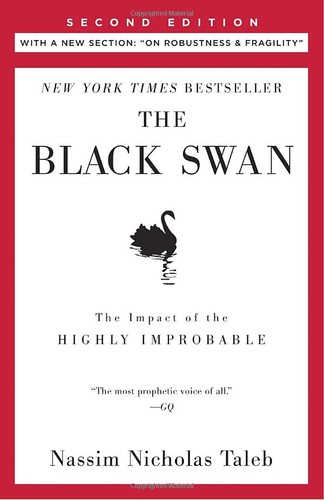
- The Black Swan: The Impact of the Highly Improbable
01
The Black Swan: The Impact of the Highly Improbable
Nassim Nicholas Taleb · Science
The Black Swan is Nassim Nicholas Taleb's argument that the most consequential events in history — financial crashes, technological breakthroughs, wars, pandemics — are not predictable outliers but structurally unpredictable ones.
Shares risk and probability with The Misbehavior of Markets.
Read the summary → - Fooled by Randomness
02
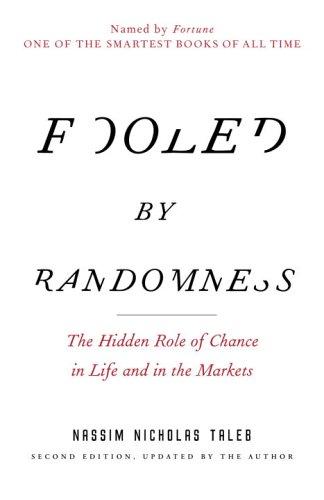
Nassim Nicholas Taleb · Psychology
Fooled by Randomness is Nassim Nicholas Taleb's argument that humans are wired to misread luck as skill, noise as signal, and random outcomes as the product of ability or effort.
Shares risk and probability with The Misbehavior of Markets.
Read the summary → - Against the Gods: The Remarkable Story of Risk
03
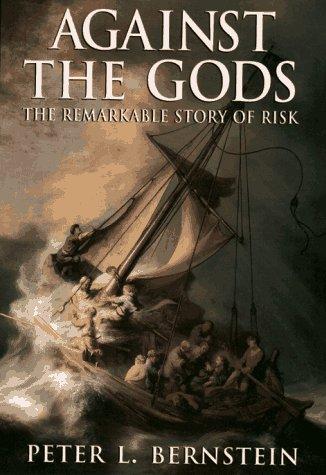
Against the Gods: The Remarkable Story of Risk
Peter L. Bernstein · History
Against the Gods is Peter Bernstein's intellectual history of how humanity learned to measure, quantify, and manage risk — a story he traces from ancient gambling in the Mediterranean through the development of modern probability theory, statistics, and financial derivatives.
Shares risk and probability with The Misbehavior of Markets.
Read the summary →
- Misbehaving: The Making of Behavioral Economics
04
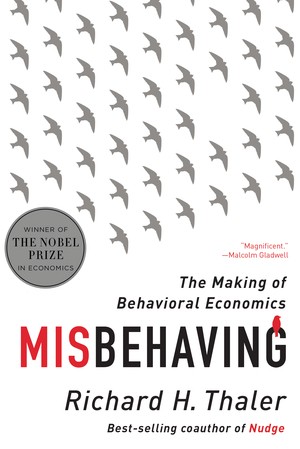
Misbehaving: The Making of Behavioral Economics
Richard H. Thaler · Psychology
Richard Thaler is one of the founders of behavioral economics, the field that took the anomalies in standard economic theory seriously rather than dismissing them as noise.
A kindred economics read.
Read the summary → - Thinking, Fast and Slow
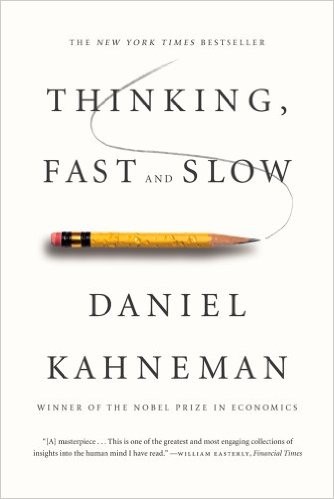
05
Daniel Kahneman · Psychology
Thinking, Fast and Slow is Daniel Kahneman's account of the two cognitive systems that govern human thought.
A kindred economics read.
Read the summary → - Thinking in Bets: Making Smarter Decisions When You Don't Have All the Facts
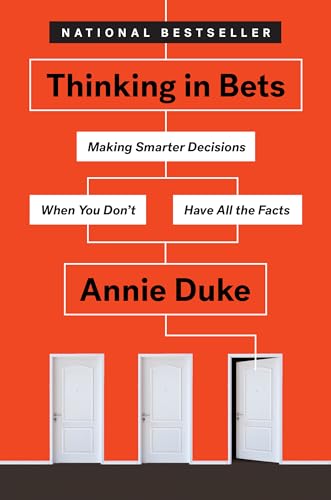
06
Thinking in Bets: Making Smarter Decisions When You Don't Have All the Facts
Annie Duke · Psychology
Thinking in Bets is Annie Duke's argument that most decisions in life share a fundamental feature with poker hands: you're choosing under uncertainty, with incomplete information, and luck will affect the outcome regardless of how well you reasoned.
Shares risk and probability with The Misbehavior of Markets.
Read the summary → - More Money Than God
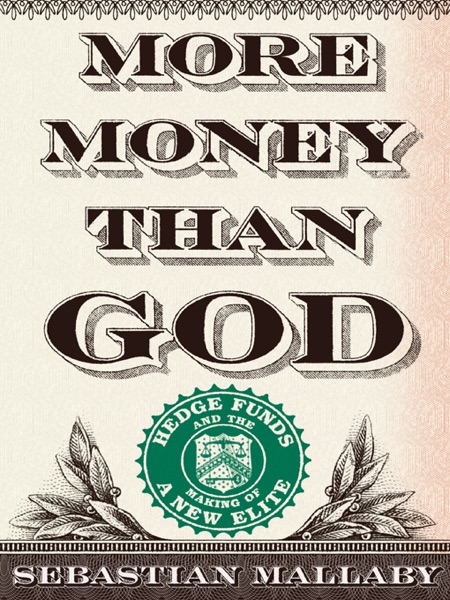
07
Sebastian Mallaby · Economics
Sebastian Mallaby's history of hedge funds begins with Alfred Winslow Jones, who in 1949 invented the basic structure that still defines the industry: borrow money to buy what you think will go up, sell short what you think will go down, take a 20 percent cut of the profits.
Both dig into risk.
Read the summary → - Panic: The Story of Modern Financial Insanity
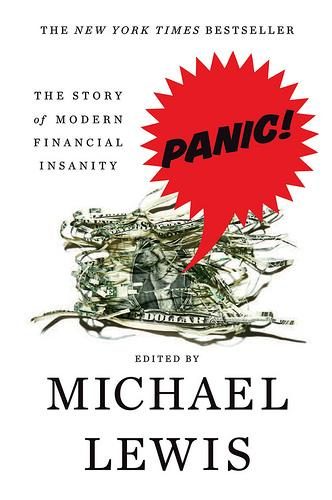
08
Panic: The Story of Modern Financial Insanity
ed. Michael Lewis · Economics
Panic is an anthology edited by Michael Lewis, collecting journalism, essays, and firsthand accounts about five major financial crises from 1987 to 2007: the Black Monday crash, the emerging markets panics of the 1990s, the Long-Term Capital Management collapse, the dot-com bust, and the early signals of the subprime mortgage crisis.
Both dig into risk.
Read the summary → - The Alchemy of Finance
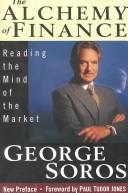
09
George Soros · Economics
The Alchemy of Finance is George Soros's attempt to explain both the theory behind his investment decisions and the practice of applying it during the years he ran the Quantum Fund.
Both dig into financial markets.
Read the summary → - The Ascent of Money: A Financial History of the World
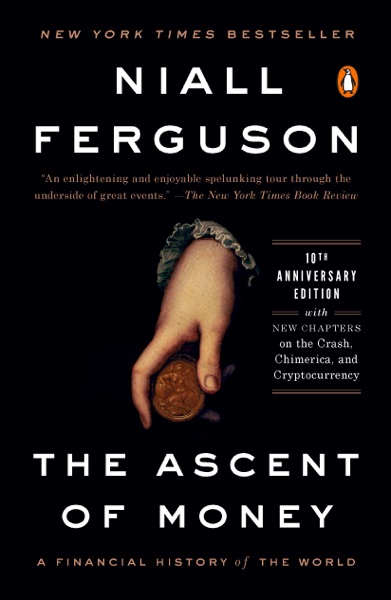
10
The Ascent of Money: A Financial History of the World
Niall Ferguson · Economics
Niall Ferguson published The Ascent of Money in 2008, with timing that turned out to be acute: the book appeared just as the global financial crisis was unfolding, making its subject matter suddenly urgent for readers who had barely thought about the mechanics of credit default swaps or mortgage securitization.
Both dig into risk.
Read the summary → - The Big Short: Inside the Doomsday Machine
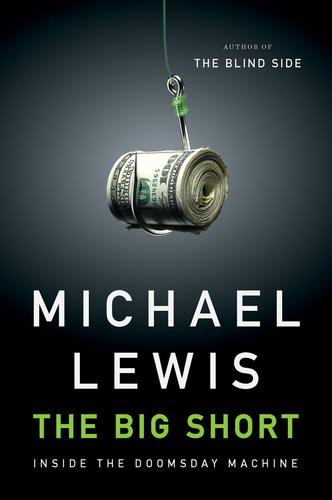
11
The Big Short: Inside the Doomsday Machine
Michael Lewis · Economics
The Big Short is Michael Lewis's account of the 2008 financial crisis as seen through the eyes of a handful of contrarians who saw the collapse coming, bet against the American housing market, and were right.
Both dig into risk.
Read the summary → - The End of Wall Street
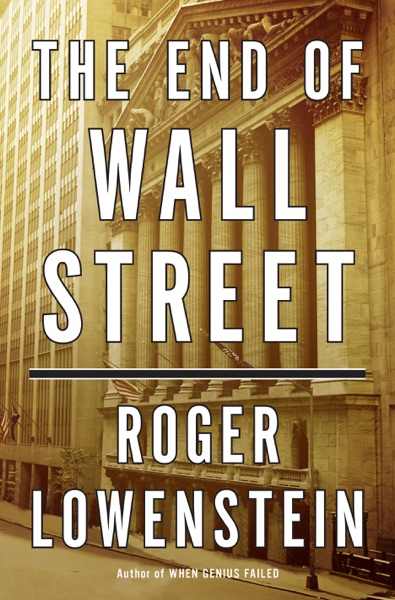
12
Roger Lowenstein · Economics
The End of Wall Street is Roger Lowenstein's account of the 2008 financial crisis, from the early signs of trouble in the mortgage market through the collapse of Lehman Brothers, the government interventions, and the immediate aftermath.
Both dig into risk.
Read the summary →
Books like The Misbehavior of Markets: quick answers
What are the best books like The Misbehavior of Markets?
The best books like The Misbehavior of Markets by Benoit Mandelbrot are The Black Swan: The Impact of the Highly Improbable by Nassim Nicholas Taleb, Fooled by Randomness by Nassim Nicholas Taleb, Against the Gods: The Remarkable Story of Risk by Peter L. Bernstein, Misbehaving: The Making of Behavioral Economics by Richard H. Thaler, Thinking, Fast and Slow by Daniel Kahneman, plus 7 more below. Each was chosen for themes it shares with The Misbehavior of Markets, such as risk, financial markets, fractal geometry.
What should I read after The Misbehavior of Markets?
A natural next read after The Misbehavior of Markets is The Black Swan: The Impact of the Highly Improbable by Nassim Nicholas Taleb. Shares risk and probability with The Misbehavior of Markets. Other strong choices are Fooled by Randomness by Nassim Nicholas Taleb, Against the Gods: The Remarkable Story of Risk by Peter L. Bernstein, Misbehaving: The Making of Behavioral Economics by Richard H. Thaler.
What books are similar to The Misbehavior of Markets by Benoit Mandelbrot?
The Misbehavior of Markets centers on risk, financial markets, fractal geometry. Books with a similar feel include The Black Swan: The Impact of the Highly Improbable by Nassim Nicholas Taleb, Fooled by Randomness by Nassim Nicholas Taleb, Against the Gods: The Remarkable Story of Risk by Peter L. Bernstein, Misbehaving: The Making of Behavioral Economics by Richard H. Thaler, Thinking, Fast and Slow by Daniel Kahneman, Thinking in Bets: Making Smarter Decisions When You Don't Have All the Facts by Annie Duke — all free to read and chat with on Superbook.
