Science · Similar reads
Books like The Order of Time
The best books like The Order of Time are Seven Brief Lessons on Physics, Reality Is Not What It Seems, and Four Laws That Drive the Universe. The Order of Time by Carlo Rovelli is about time, physics, thermodynamics. If that's what drew you in, here are 12 books that share its DNA — each summarized on Superbook, and ready to chat with in the app.
- Seven Brief Lessons on Physics
01
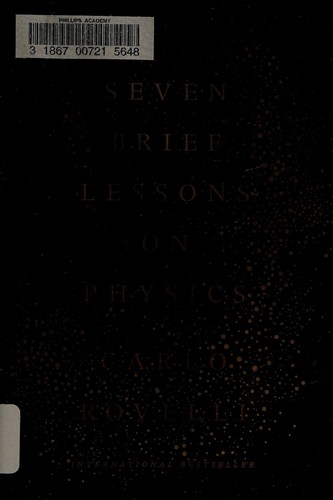
Seven Brief Lessons on Physics
Carlo Rovelli · Science
Carlo Rovelli, a theoretical physicist best known for his work on loop quantum gravity, wrote this book originally as a series of essays for an Italian Sunday newspaper.
Both dig into physics.
Read the summary → - Reality Is Not What It Seems
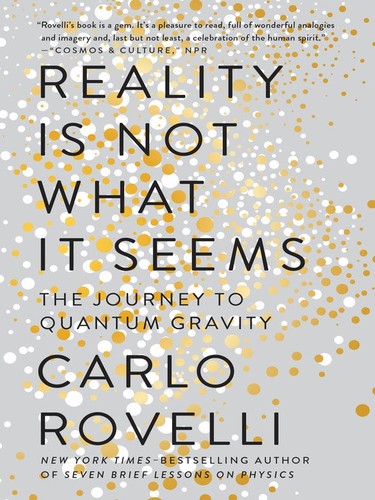
02
Carlo Rovelli · Science
Reality Is Not What It Seems is Rovelli's most ambitious popular book: a history of human understanding of physical reality from the pre-Socratics to loop quantum gravity, the theory of quantum spacetime that Rovelli himself has spent his career developing.
A kindred science read.
Read the summary → - Four Laws That Drive the Universe
03
Four Laws That Drive the Universe
Peter Atkins · Science
Peter Atkins, one of the most respected chemistry educators of the twentieth century, wrote this book as a compact but uncompromising account of the four laws of thermodynamics.
Both dig into thermodynamics.
Read the summary →
- Astrophysics for People in a Hurry
04
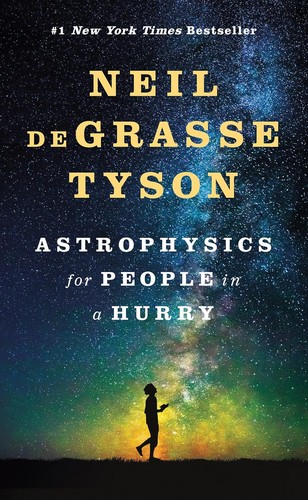
Astrophysics for People in a Hurry
Neil deGrasse Tyson · Science
Astrophysics for People in a Hurry is Neil deGrasse Tyson's deliberately compact introduction to the biggest ideas in modern astrophysics.
A kindred science read.
Read the summary → - Entangled Life: How Fungi Make Our Worlds, Change Our Minds and Shape Our Futures
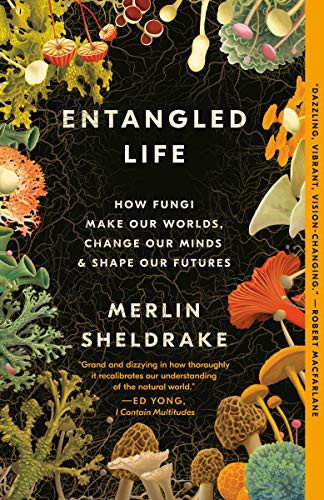
05
Entangled Life: How Fungi Make Our Worlds, Change Our Minds and Shape Our Futures
Merlin Sheldrake · Science
Merlin Sheldrake is a biologist who has spent his career studying fungi, and Entangled Life is his account of what fungi are, what they do, and why most people who think they know something about the natural world understand almost nothing about this kingdom of life.
Both dig into consciousness.
Read the summary → - From Bacteria to Bach and Back
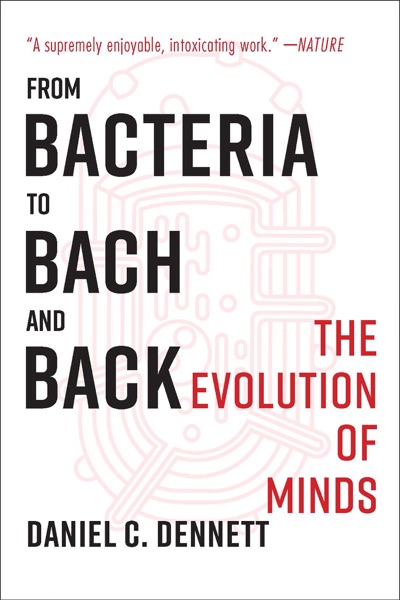
06
From Bacteria to Bach and Back
Daniel C. Dennett · Science
Daniel Dennett's 2017 book is his most comprehensive attempt to explain how minds — conscious, intentional, creative minds — could have evolved from mindless matter without any homunculus, soul, or top-down designer.
Both dig into consciousness.
Read the summary → - Gödel, Escher, Bach
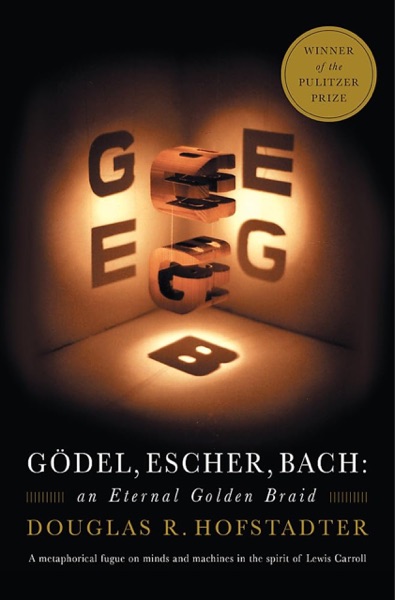
07
Douglas Hofstadter · Science
Douglas Hofstadter's Pulitzer Prize-winning debut, published in 1979, asks how meaning can arise from formal rules — how a biological machine can think, feel, and experience self-awareness.
Both dig into consciousness.
Read the summary → - How the Mind Works
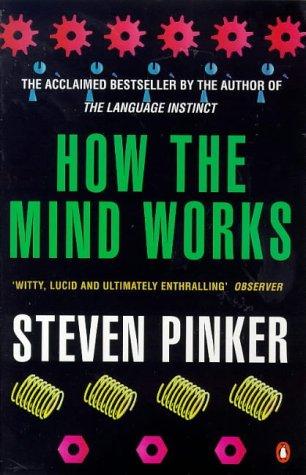
08
Steven Pinker · Science
How the Mind Works is Steven Pinker's synthesis of cognitive science and evolutionary psychology, built around a central thesis: the mind is a computational system — a neural computer — shaped by natural selection to solve the adaptive problems that faced our ancestors on the Pleistocene savanna.
Both dig into consciousness.
Read the summary → - How to Change Your Mind
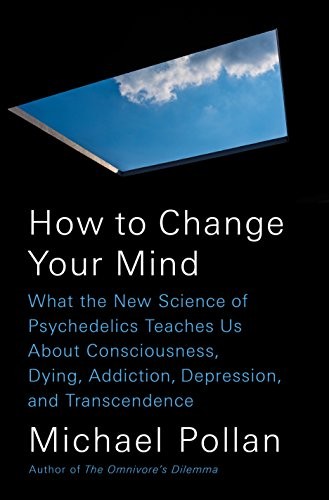
09
Michael Pollan · Science
Michael Pollan came to psychedelics late in life, as a skeptic.
Both dig into consciousness.
Read the summary → - How to Create a Mind
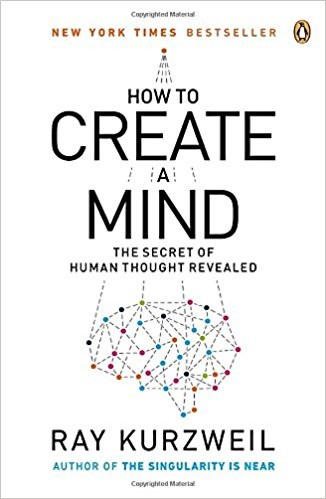
10
Ray Kurzweil · Science
Ray Kurzweil's central claim in How to Create a Mind is that the neocortex — the part of the brain responsible for higher thought — operates on a single repeating algorithm called the pattern recognition theory of mind.
Both dig into consciousness.
Read the summary → - Is God a Mathematician?
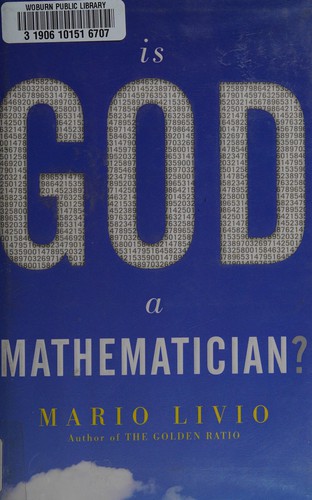
11
Mario Livio · Science
Mario Livio is an astrophysicist who has spent decades studying galaxies and supernovae, and who has been persistently haunted by a question that comes up whenever mathematics meets physics: why does abstract math, invented centuries before anyone knew it would be needed, keep turning out to perfectly describe physical reality?
Both dig into philosophy of science.
Read the summary → - Life 3.0: Being Human in the Age of Artificial Intelligence
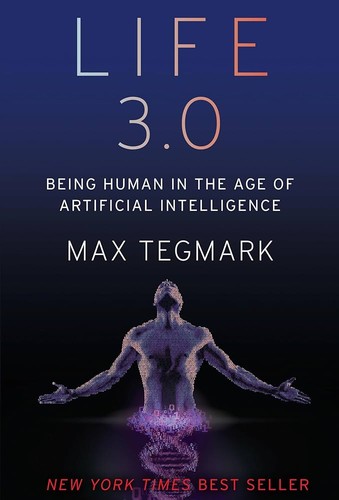
12
Life 3.0: Being Human in the Age of Artificial Intelligence
Max Tegmark · Science
Life 3.0 is Max Tegmark's accessible survey of the questions raised by the prospect of human-level and superhuman artificial intelligence: What are the plausible paths to AGI?
Both dig into consciousness.
Read the summary →
Books like The Order of Time: quick answers
What are the best books like The Order of Time?
The best books like The Order of Time by Carlo Rovelli are Seven Brief Lessons on Physics by Carlo Rovelli, Reality Is Not What It Seems by Carlo Rovelli, Four Laws That Drive the Universe by Peter Atkins, Astrophysics for People in a Hurry by Neil deGrasse Tyson, Entangled Life: How Fungi Make Our Worlds, Change Our Minds and Shape Our Futures by Merlin Sheldrake, plus 7 more below. Each was chosen for themes it shares with The Order of Time, such as time, physics, thermodynamics.
What should I read after The Order of Time?
A natural next read after The Order of Time is Seven Brief Lessons on Physics by Carlo Rovelli. Both dig into physics. Other strong choices are Reality Is Not What It Seems by Carlo Rovelli, Four Laws That Drive the Universe by Peter Atkins, Astrophysics for People in a Hurry by Neil deGrasse Tyson.
What books are similar to The Order of Time by Carlo Rovelli?
The Order of Time centers on time, physics, thermodynamics. Books with a similar feel include Seven Brief Lessons on Physics by Carlo Rovelli, Reality Is Not What It Seems by Carlo Rovelli, Four Laws That Drive the Universe by Peter Atkins, Astrophysics for People in a Hurry by Neil deGrasse Tyson, Entangled Life: How Fungi Make Our Worlds, Change Our Minds and Shape Our Futures by Merlin Sheldrake, From Bacteria to Bach and Back by Daniel C. Dennett — all free to read and chat with on Superbook.
