Science · Similar reads
Books like The Organized Mind
The best books like The Organized Mind are Thinking, Fast and Slow, Deep Work, and The Distracted Mind. The Organized Mind by Daniel J. Levitin is about cognitive load, decision-making, attention. If that's what drew you in, here are 12 books that share its DNA — each summarized on Superbook, and ready to chat with in the app.
- Thinking, Fast and Slow
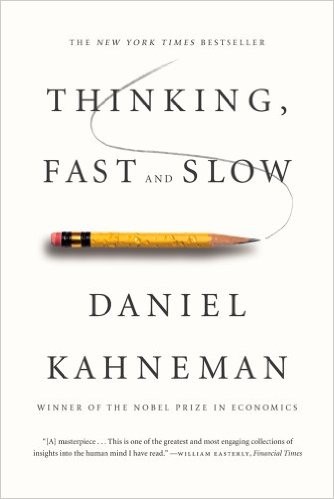
01
Daniel Kahneman · Psychology
Thinking, Fast and Slow is Daniel Kahneman's account of the two cognitive systems that govern human thought.
Both dig into decision-making.
Read the summary → - Deep Work
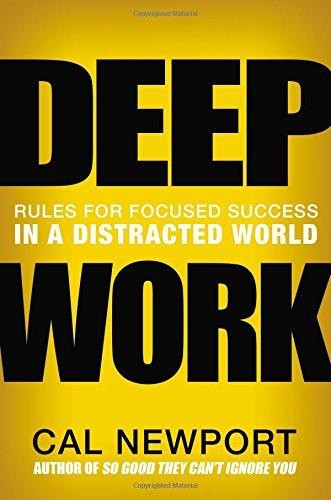
02
Cal Newport · Self-help
Deep Work is Cal Newport's case that the ability to focus without distraction on a cognitively demanding task is becoming both rarer and more valuable, and that people who cultivate it will thrive while everyone else stays stuck in shallow busywork.
Both dig into attention.
Read the summary → - The Distracted Mind
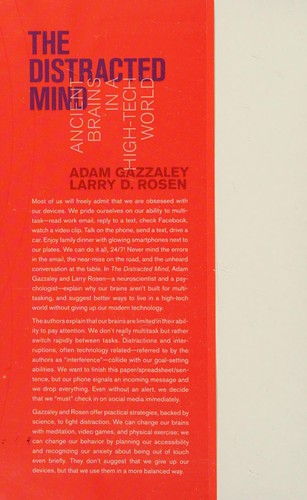
03
Adam Gazzaley and Larry D. Rosen · Science
The Distracted Mind brings together two distinct research traditions — cognitive neuroscience and psychology of technology — to explain why modern humans find sustained attention so difficult and what can be done about it.
Shares attention and neuroscience with The Organized Mind.
Read the summary →
- Indistractable: How to Control Your Attention and Choose Your Life
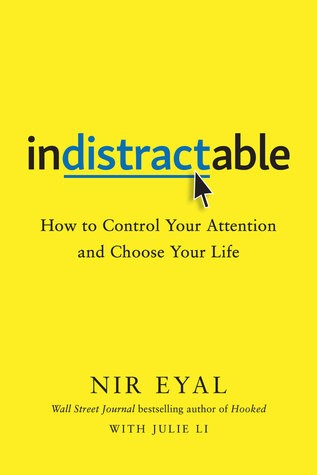
04
Indistractable: How to Control Your Attention and Choose Your Life
Nir Eyal · Self-help
Indistractable is Nir Eyal's argument that distraction is not a technology problem — it's a psychology problem.
Both dig into attention.
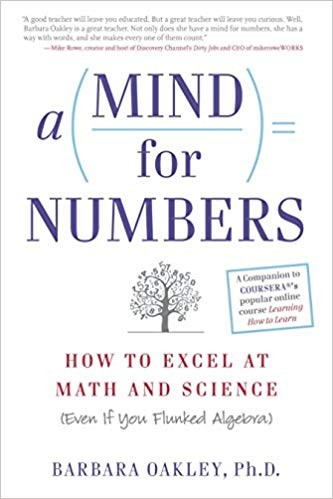
Read the summary → - A Mind for Numbers
05
Barbara Oakley · Self-help
A Mind for Numbers is Barbara Oakley's guide to learning hard subjects effectively, written primarily for students struggling with mathematics and science but drawing on cognitive science principles that apply to any demanding field.
A kindred science read.
Read the summary → - The Shallows: What the Internet Is Doing to Our Brains
06
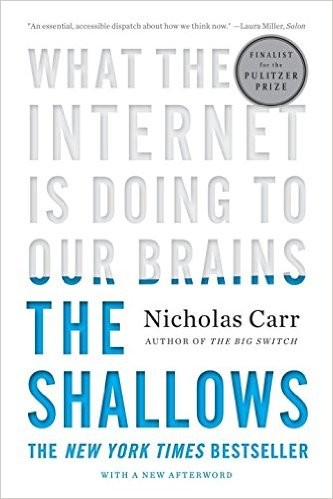
The Shallows: What the Internet Is Doing to Our Brains
Nicholas Carr · Science
The Shallows is Nicholas Carr's argument that the internet — and the way we habitually use it, skimming hyperlinked text, watching short videos, checking feeds — is reshaping the neural circuits responsible for deep reading and sustained concentration.
Shares attention and neuroscience with The Organized Mind.
Read the summary → - Descartes' Error: Emotion, Reason, and the Human Brain
07
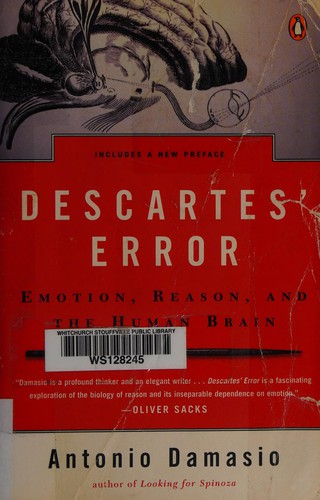
Descartes' Error: Emotion, Reason, and the Human Brain
Antonio Damasio · Psychology
Antonio Damasio is a neurologist at USC whose work challenges the centuries-old idea that reason and emotion are separate faculties, with reason the reliable guide and emotion the unreliable interference.
Shares decision-making and neuroscience with The Organized Mind.
Read the summary → - Getting Things Done
08
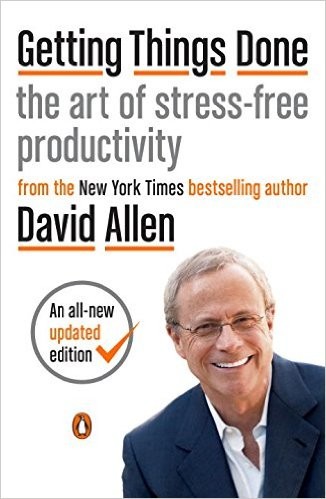
David Allen · Self-help
Getting Things Done is David Allen's argument that the main source of stress in modern knowledge work isn't the volume of tasks — it's having commitments that live only in your head.
Shares decision-making and organization with The Organized Mind.
Read the summary → - Incognito: The Secret Lives of the Brain

09
Incognito: The Secret Lives of the Brain
David Eagleman · Psychology
David Eagleman is a neuroscientist at Stanford who argues that the conscious self is a late, small, and largely uninformed participant in the brain's activity.
Shares decision-making and neuroscience with The Organized Mind.
Read the summary → - The Influential Mind: What the Brain Reveals About Our Power to Change Others
10
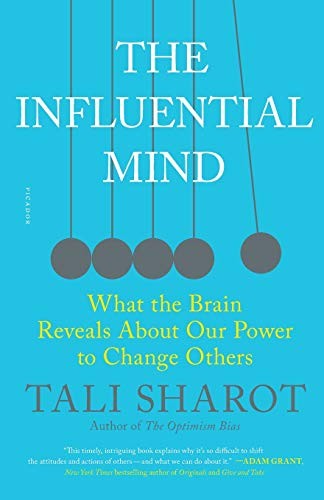
The Influential Mind: What the Brain Reveals About Our Power to Change Others
Tali Sharot · Psychology
Tali Sharot's second book turns from how our own brains distort perception to how we can change what other people think and do.
Shares decision-making and neuroscience with The Organized Mind.
Read the summary → - The Optimism Bias: A Tour of the Irrationally Positive Brain

11
The Optimism Bias: A Tour of the Irrationally Positive Brain
Tali Sharot · Psychology
Tali Sharot is a neuroscientist at University College London, and The Optimism Bias is her account of a finding that surprised researchers: most humans systematically overestimate the likelihood of good things happening to them and underestimate the likelihood of bad ones.
Shares decision-making and neuroscience with The Organized Mind.
Read the summary → - Your Brain at Work
12
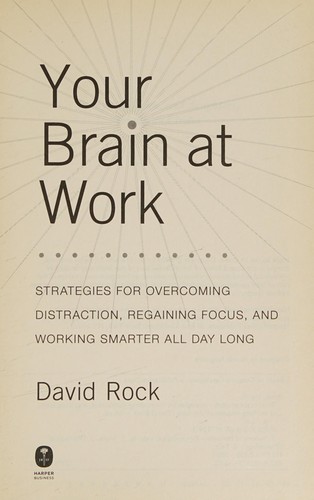
David Rock · Psychology
David Rock's approach is to map a working day onto what neuroscience knows about prefrontal cortex function and then derive practical implications.
Shares decision-making and attention with The Organized Mind.
Read the summary →
Books like The Organized Mind: quick answers
What are the best books like The Organized Mind?
The best books like The Organized Mind by Daniel J. Levitin are Thinking, Fast and Slow by Daniel Kahneman, Deep Work by Cal Newport, The Distracted Mind by Adam Gazzaley and Larry D. Rosen, Indistractable: How to Control Your Attention and Choose Your Life by Nir Eyal, A Mind for Numbers by Barbara Oakley, plus 7 more below. Each was chosen for themes it shares with The Organized Mind, such as cognitive load, decision-making, attention.
What should I read after The Organized Mind?
A natural next read after The Organized Mind is Thinking, Fast and Slow by Daniel Kahneman. Both dig into decision-making. Other strong choices are Deep Work by Cal Newport, The Distracted Mind by Adam Gazzaley and Larry D. Rosen, Indistractable: How to Control Your Attention and Choose Your Life by Nir Eyal.
What books are similar to The Organized Mind by Daniel J. Levitin?
The Organized Mind centers on cognitive load, decision-making, attention. Books with a similar feel include Thinking, Fast and Slow by Daniel Kahneman, Deep Work by Cal Newport, The Distracted Mind by Adam Gazzaley and Larry D. Rosen, Indistractable: How to Control Your Attention and Choose Your Life by Nir Eyal, A Mind for Numbers by Barbara Oakley, The Shallows: What the Internet Is Doing to Our Brains by Nicholas Carr — all free to read and chat with on Superbook.
