Psychology · Similar reads
Books like The Paradox of Choice: Why More Is Less
The best books like The Paradox of Choice: Why More Is Less are Stumbling on Happiness, Thinking, Fast and Slow, and Predictably Irrational. The Paradox of Choice: Why More Is Less by Barry Schwartz is about decision-making, choice, happiness. If that's what drew you in, here are 12 books that share its DNA — each summarized on Superbook, and ready to chat with in the app.
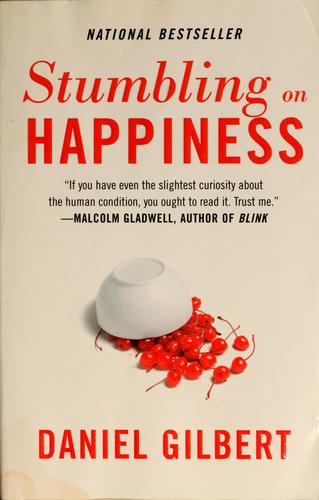
- Stumbling on Happiness
01
Daniel Gilbert · Psychology
Daniel Gilbert is a Harvard psychologist whose central finding, after decades of studying affective forecasting, is that humans are systematically wrong about what will make them happy.
Both dig into happiness.
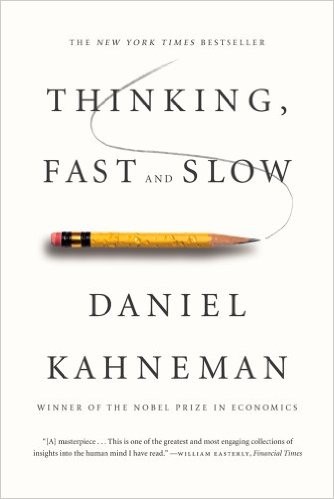
Read the summary → - Thinking, Fast and Slow
02
Daniel Kahneman · Psychology
Thinking, Fast and Slow is Daniel Kahneman's account of the two cognitive systems that govern human thought.
Both dig into decision-making.
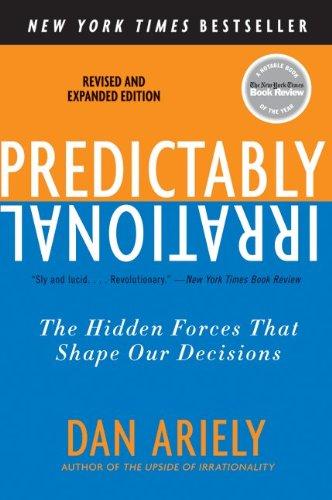
Read the summary → - Predictably Irrational
03
Dan Ariely · Psychology
Predictably Irrational is Dan Ariely's examination of how humans make decisions that are consistently, systematically irrational — not random or arbitrary, but irrational in ways that follow patterns.
Both dig into decision-making.
Read the summary →
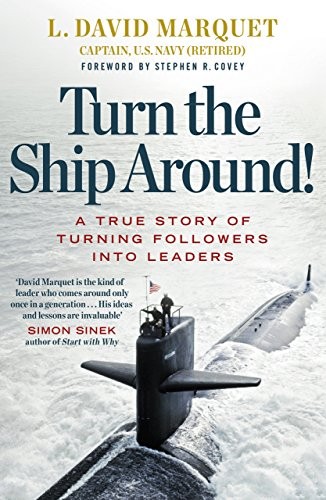
- Turn the Ship Around!
04
L. David Marquet · Business
Turn the Ship Around!
Shares decision-making and autonomy with The Paradox of Choice: Why More Is Less.
Read the summary → - The Art of Choosing
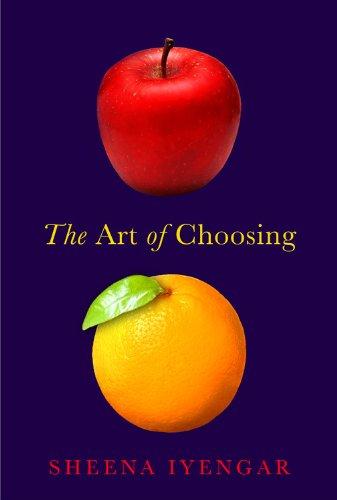
05
Sheena Iyengar · Psychology
Sheena Iyengar's research career is built around one of the most consequential experiments in consumer psychology: the jam study.
Shares decision-making and choice with The Paradox of Choice: Why More Is Less.
Read the summary → - Against Empathy: The Case for Rational Compassion
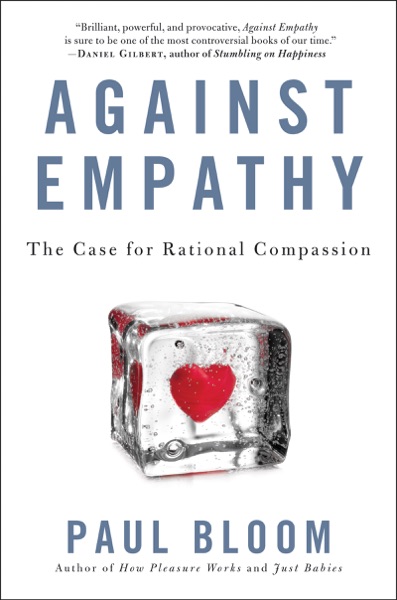
06
Against Empathy: The Case for Rational Compassion
Paul Bloom · Psychology
Paul Bloom's argument is not that we should care less about others.
Both dig into decision-making.
Read the summary → - Algorithms to Live By: The Computer Science of Human Decisions
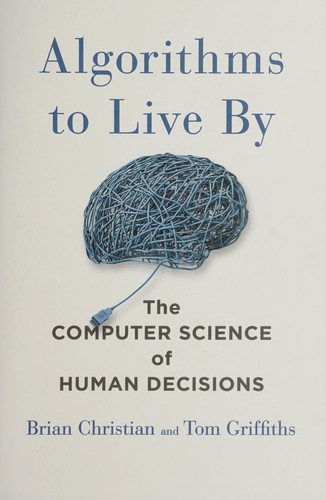
07
Algorithms to Live By: The Computer Science of Human Decisions
Brian Christian and Tom Griffiths · Psychology
Brian Christian is a writer and Tom Griffiths is a cognitive scientist, and together they argue that computer science has worked out rigorous solutions to many of the problems humans face every day — when to stop searching for a better option, how to manage your schedule, how to sort your memory — and that these solutions are both interesting and useful.
Both dig into decision-making.
Read the summary → - Authentic Happiness
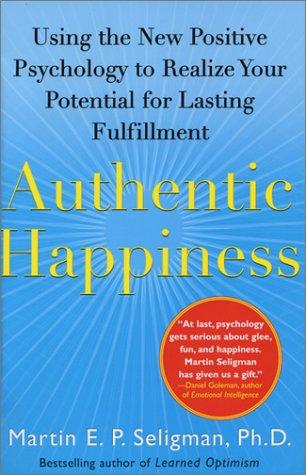
08
Martin E. P. Seligman · Psychology
Authentic Happiness is Martin Seligman's founding statement of positive psychology — the scientific study of what makes life worth living.
Both dig into happiness.
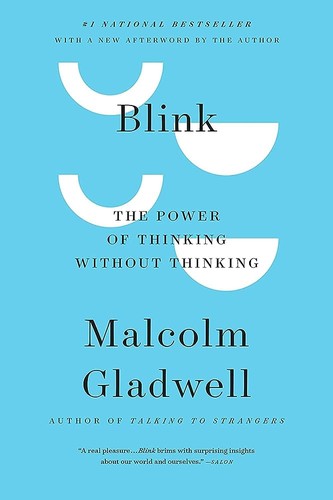
Read the summary → - Blink: The Power of Thinking Without Thinking
09
Blink: The Power of Thinking Without Thinking
Malcolm Gladwell · Psychology
Blink is Malcolm Gladwell's argument that fast, unconscious decisions — the ones made in the first two seconds of encountering something — are often just as reliable as slow, deliberate analysis, and sometimes more so.
Both dig into decision-making.
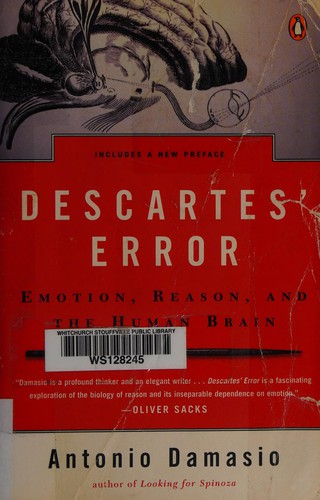
Read the summary → - Descartes' Error: Emotion, Reason, and the Human Brain
10
Descartes' Error: Emotion, Reason, and the Human Brain
Antonio Damasio · Psychology
Antonio Damasio is a neurologist at USC whose work challenges the centuries-old idea that reason and emotion are separate faculties, with reason the reliable guide and emotion the unreliable interference.
Both dig into decision-making.
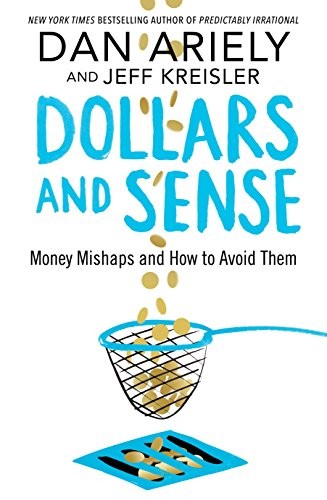
Read the summary → - Dollars and Sense
11
Dan Ariely · Psychology
Dollars and Sense is Dan Ariely and Jeff Kreisler's examination of why people consistently make bad financial decisions even when they have the information and intention to do otherwise.
Both dig into decision-making.
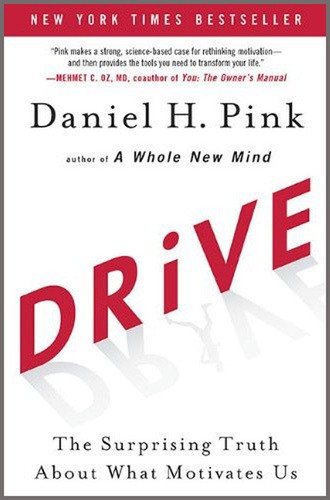
Read the summary → - Drive: The Surprising Truth About What Motivates Us
12
Drive: The Surprising Truth About What Motivates Us
Daniel H. Pink · Psychology
Drive is Daniel Pink's argument that the motivational model most organizations still run on — reward the behavior you want, punish the behavior you don't — is badly mismatched to the kind of work that matters most in a modern economy.
Both dig into autonomy.
Read the summary →
Books like The Paradox of Choice: Why More Is Less: quick answers
What are the best books like The Paradox of Choice: Why More Is Less?
The best books like The Paradox of Choice: Why More Is Less by Barry Schwartz are Stumbling on Happiness by Daniel Gilbert, Thinking, Fast and Slow by Daniel Kahneman, Predictably Irrational by Dan Ariely, Turn the Ship Around! by L. David Marquet, The Art of Choosing by Sheena Iyengar, plus 7 more below. Each was chosen for themes it shares with The Paradox of Choice: Why More Is Less, such as decision-making, choice, happiness.
What should I read after The Paradox of Choice: Why More Is Less?
A natural next read after The Paradox of Choice: Why More Is Less is Stumbling on Happiness by Daniel Gilbert. Both dig into happiness. Other strong choices are Thinking, Fast and Slow by Daniel Kahneman, Predictably Irrational by Dan Ariely, Turn the Ship Around! by L. David Marquet.
What books are similar to The Paradox of Choice: Why More Is Less by Barry Schwartz?
The Paradox of Choice: Why More Is Less centers on decision-making, choice, happiness. Books with a similar feel include Stumbling on Happiness by Daniel Gilbert, Thinking, Fast and Slow by Daniel Kahneman, Predictably Irrational by Dan Ariely, Turn the Ship Around! by L. David Marquet, The Art of Choosing by Sheena Iyengar, Against Empathy: The Case for Rational Compassion by Paul Bloom — all free to read and chat with on Superbook.
