Psychology · Similar reads
Books like The Seven Sins of Memory
The best books like The Seven Sins of Memory are Thinking, Fast and Slow, Behave: The Biology of Humans at Our Best and Worst, and Blink: The Power of Thinking Without Thinking. The Seven Sins of Memory by Daniel Schacter is about memory, cognition, neuroscience. If that's what drew you in, here are 12 books that share its DNA — each summarized on Superbook, and ready to chat with in the app.
- Thinking, Fast and Slow
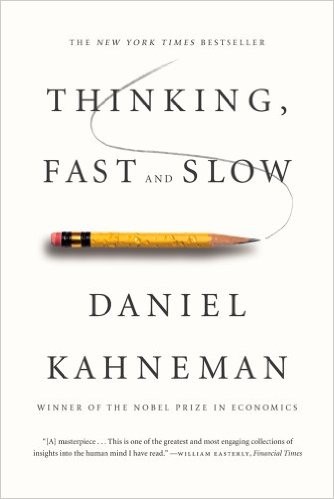
01
Daniel Kahneman · Psychology
Thinking, Fast and Slow is Daniel Kahneman's account of the two cognitive systems that govern human thought.
A kindred psychology read.
Read the summary → - Behave: The Biology of Humans at Our Best and Worst
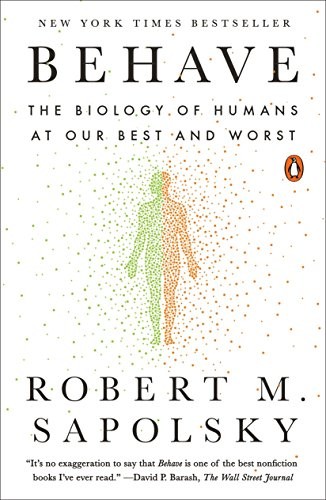
02
Behave: The Biology of Humans at Our Best and Worst
Robert M. Sapolsky · Science
Behave is Robert Sapolsky's attempt to explain why humans do what they do — the violence, the altruism, the tribalism, the heroism — by working through every layer of biology that contributes to a single act.
Both dig into neuroscience.
Read the summary → - Blink: The Power of Thinking Without Thinking
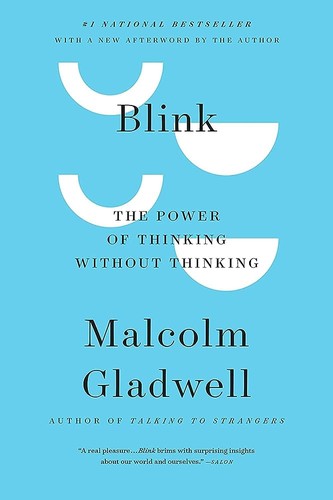
03
Blink: The Power of Thinking Without Thinking
Malcolm Gladwell · Psychology
Blink is Malcolm Gladwell's argument that fast, unconscious decisions — the ones made in the first two seconds of encountering something — are often just as reliable as slow, deliberate analysis, and sometimes more so.
A kindred psychology read.
Read the summary →
- Predictably Irrational
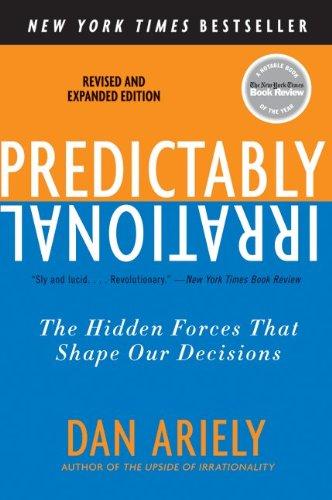
04
Dan Ariely · Psychology
Predictably Irrational is Dan Ariely's examination of how humans make decisions that are consistently, systematically irrational — not random or arbitrary, but irrational in ways that follow patterns.
A kindred psychology read.
Read the summary → - Brain on Fire: My Month of Madness
05
Brain on Fire: My Month of Madness
Susannah Cahalan · Memoir
Brain on Fire is Susannah Cahalan's account of the month she spent in a New York hospital in 2009, during which she experienced psychosis, paranoia, violent behavior, catatonia, and seizures — and was nearly committed to a psychiatric facility before a doctor correctly diagnosed her with anti-NMDA receptor encephalitis, a newly described autoimmune disease in which the body attacks the brain.
Shares memory and neuroscience with The Seven Sins of Memory.
Read the summary → - Consciousness Explained
06
Daniel C. Dennett · Philosophy
Consciousness Explained is Daniel Dennett's attempt to replace what he calls the Cartesian Theater — the intuitive picture of consciousness as a single unified stream of experience observed by a self — with a model he calls Multiple Drafts.
Shares cognition and neuroscience with The Seven Sins of Memory.
Read the summary → - Moonwalking with Einstein
07
Joshua Foer · Science
Moonwalking with Einstein is Joshua Foer's account of spending a year training for and winning the United States Memory Championship, beginning as a journalist covering the event and ending as its champion.
Shares memory and cognition with The Seven Sins of Memory.
Read the summary → - The Shallows: What the Internet Is Doing to Our Brains
08
The Shallows: What the Internet Is Doing to Our Brains
Nicholas Carr · Science
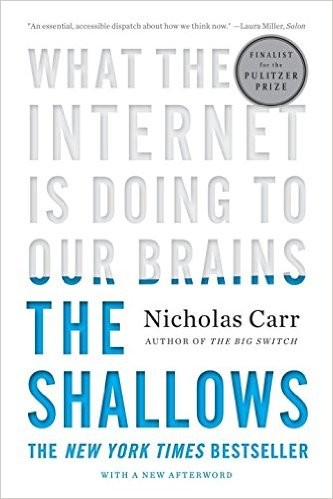
The Shallows is Nicholas Carr's argument that the internet — and the way we habitually use it, skimming hyperlinked text, watching short videos, checking feeds — is reshaping the neural circuits responsible for deep reading and sustained concentration.
Shares cognition and neuroscience with The Seven Sins of Memory.
Read the summary → - A General Theory of Love
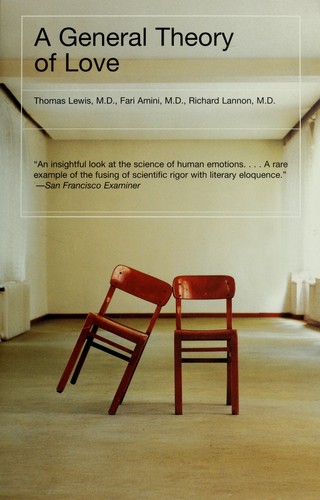
09
Thomas Lewis, Fari Amini, and Richard Lannon · Psychology
A General Theory of Love is a 2000 book by three psychiatrists at the University of California, San Francisco — Thomas Lewis, Fari Amini, and Richard Lannon — who set out to explain love scientifically without stripping it of its significance.
Both dig into neuroscience.
Read the summary → - Descartes' Error: Emotion, Reason, and the Human Brain
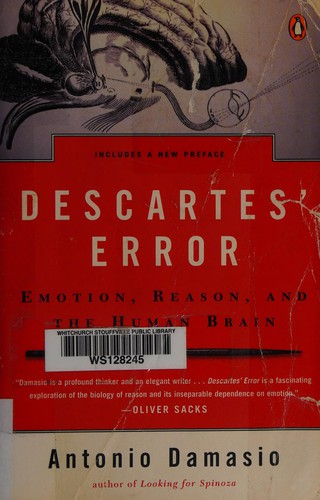
10
Descartes' Error: Emotion, Reason, and the Human Brain
Antonio Damasio · Psychology
Antonio Damasio is a neurologist at USC whose work challenges the centuries-old idea that reason and emotion are separate faculties, with reason the reliable guide and emotion the unreliable interference.
Both dig into neuroscience.
Read the summary → - Hardwiring Happiness: The New Brain Science of Contentment, Calm, and Confidence
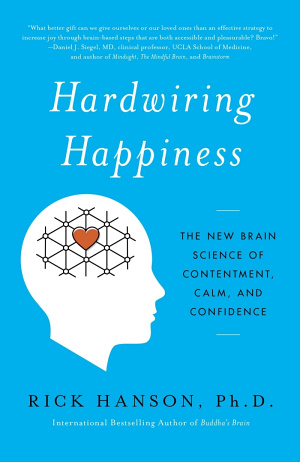
11
Hardwiring Happiness: The New Brain Science of Contentment, Calm, and Confidence
Rick Hanson · Psychology
Rick Hanson is a neuropsychologist and meditation teacher, and this book is his attempt to explain why wellbeing is so hard to sustain and what the brain science suggests you can do about it.
Both dig into neuroscience.
Read the summary → - How Emotions Are Made: The Secret Life of the Brain
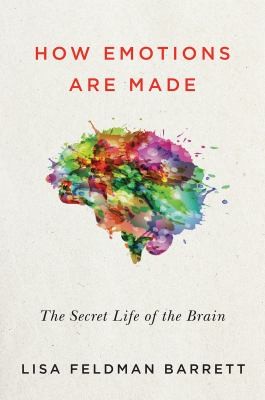
12
How Emotions Are Made: The Secret Life of the Brain
Lisa Feldman Barrett · Psychology
Lisa Feldman Barrett is a neuroscientist and psychologist at Northeastern University who has spent thirty years studying emotion, and her conclusion challenges the most widely held view of what emotions are.
Both dig into neuroscience.
Read the summary →
Books like The Seven Sins of Memory: quick answers
What are the best books like The Seven Sins of Memory?
The best books like The Seven Sins of Memory by Daniel Schacter are Thinking, Fast and Slow by Daniel Kahneman, Behave: The Biology of Humans at Our Best and Worst by Robert M. Sapolsky, Blink: The Power of Thinking Without Thinking by Malcolm Gladwell, Predictably Irrational by Dan Ariely, Brain on Fire: My Month of Madness by Susannah Cahalan, plus 7 more below. Each was chosen for themes it shares with The Seven Sins of Memory, such as memory, cognition, neuroscience.
What should I read after The Seven Sins of Memory?
A natural next read after The Seven Sins of Memory is Thinking, Fast and Slow by Daniel Kahneman. A kindred psychology read. Other strong choices are Behave: The Biology of Humans at Our Best and Worst by Robert M. Sapolsky, Blink: The Power of Thinking Without Thinking by Malcolm Gladwell, Predictably Irrational by Dan Ariely.
What books are similar to The Seven Sins of Memory by Daniel Schacter?
The Seven Sins of Memory centers on memory, cognition, neuroscience. Books with a similar feel include Thinking, Fast and Slow by Daniel Kahneman, Behave: The Biology of Humans at Our Best and Worst by Robert M. Sapolsky, Blink: The Power of Thinking Without Thinking by Malcolm Gladwell, Predictably Irrational by Dan Ariely, Brain on Fire: My Month of Madness by Susannah Cahalan, Consciousness Explained by Daniel C. Dennett — all free to read and chat with on Superbook.
