History · Similar reads
Books like The Silk Roads: A New History of the World
The best books like The Silk Roads: A New History of the World are Sapiens: A Brief History of Humankind, Guns, Germs, and Steel, and The Better Angels of Our Nature. The Silk Roads: A New History of the World by Peter Frankopan is about world history, trade and exchange, geopolitics. If that's what drew you in, here are 12 books that share its DNA — each summarized on Superbook, and ready to chat with in the app.
- Sapiens: A Brief History of Humankind
01
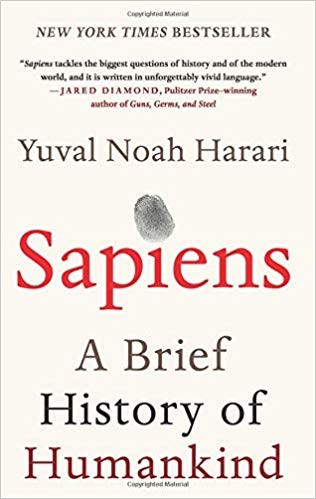
Sapiens: A Brief History of Humankind
Yuval Noah Harari · History
Sapiens traces the full arc of human history from the emergence of Homo sapiens in Africa roughly 70,000 years ago to the present.
A kindred history read.
Read the summary → - Guns, Germs, and Steel
02
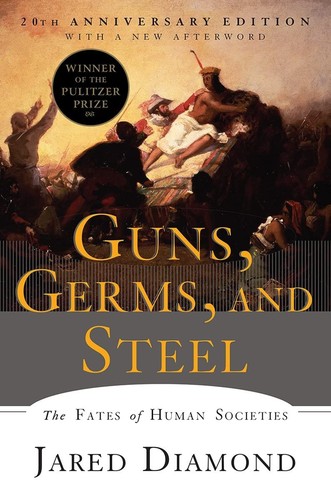
Jared Diamond · Science
Guns, Germs, and Steel is Jared Diamond's attempt to answer a question posed to him by a Papua New Guinean politician named Yali: why did Europeans end up with so much cargo — wealth, technology, power — while other peoples had comparatively little?
A kindred history read.
Read the summary → - The Better Angels of Our Nature
03
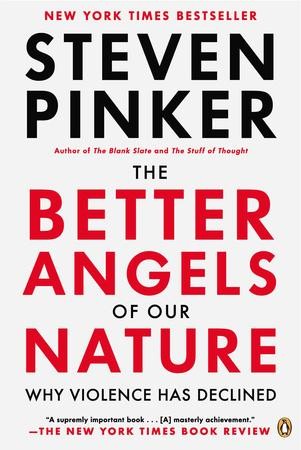
The Better Angels of Our Nature
Steven Pinker · Science
The Better Angels of Our Nature is Steven Pinker's argument, supported by extensive historical and statistical data, that human violence has declined dramatically over long time periods and that this decline is real, not an artifact of reporting or perception.
A kindred history read.
Read the summary →
- Homo Deus: A Brief History of Tomorrow
04
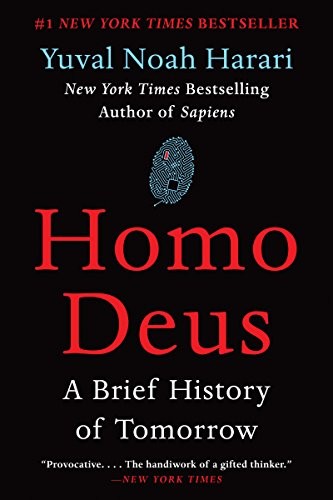
Homo Deus: A Brief History of Tomorrow
Yuval Noah Harari · History
Homo Deus picks up where Sapiens left off, but turns to face the other direction.
A kindred history read.
Read the summary → - Enlightenment Now
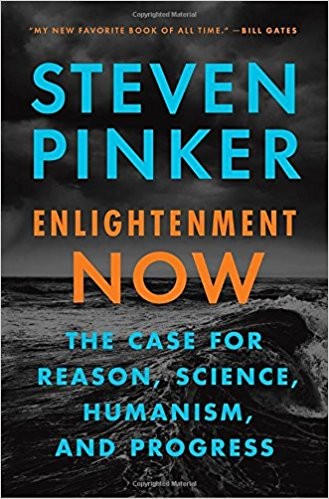
05
Steven Pinker · Science
Enlightenment Now is Steven Pinker's argument that the ideals of the Enlightenment — reason, science, humanism, and progress — have been responsible for a dramatic and continuing improvement in human wellbeing across virtually every measurable dimension, and that these ideals are under threat from counter-Enlightenment movements on both the left and the right.
A kindred history read.
Read the summary → - Annals of Imperial Rome
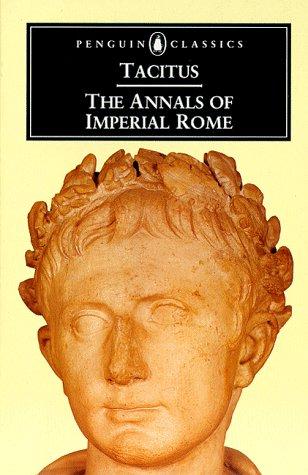
06
Tacitus · History
Tacitus wrote the Annals in the early second century CE as a history of Rome from the death of Augustus to the death of Nero — the reigns of Tiberius, Caligula, Claudius, and Nero, covering roughly 14 to 68 CE.
Both dig into empire.
Read the summary → - History of the Peloponnesian War
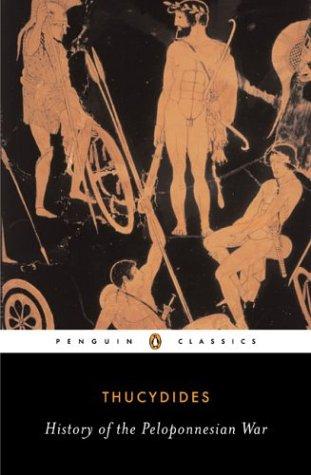
07
History of the Peloponnesian War
Thucydides · History
Thucydides' account of the twenty-seven-year conflict between Athens and Sparta stands as the founding document of political realism and the first work of history that treats evidence and causation as problems to be solved rather than stories to be told.
Both dig into empire.
Read the summary → - The Changing World Order
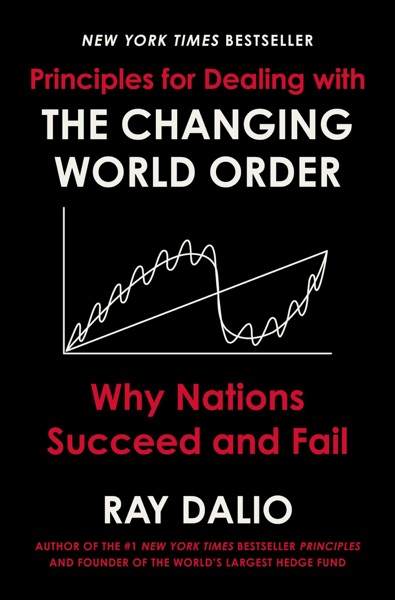
08
Ray Dalio · History
The Changing World Order is Ray Dalio's attempt to map the long arc of rising and declining empires through a systematic historical framework, with the explicit goal of understanding whether the United States is in decline and what a world with China as a co-dominant power would look like.
Both dig into geopolitics.
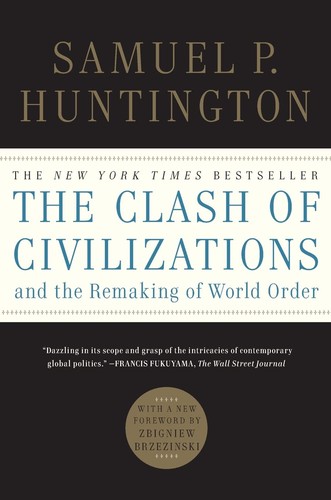
Read the summary → - The Clash of Civilizations and the Remaking of World Order
09
The Clash of Civilizations and the Remaking of World Order
Samuel P. Huntington · History
Samuel Huntington's The Clash of Civilizations and the Remaking of World Order, published in 1996, is an expansion of a 1993 Foreign Affairs essay that generated more response than almost any article in that journal's history.
Both dig into geopolitics.
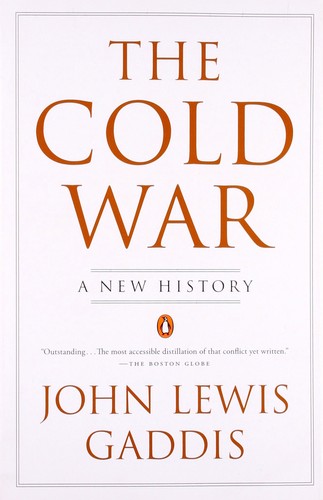
Read the summary → - The Cold War: A New History
10
John Lewis Gaddis · History
John Lewis Gaddis wrote The Cold War: A New History as a short, synthetic account of the entire superpower conflict, from the end of World War II through the Soviet collapse in 1991.
Both dig into geopolitics.
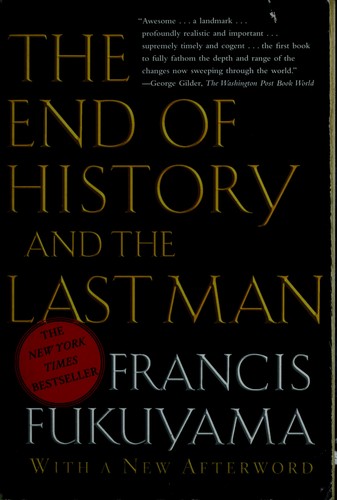
Read the summary → - The End of History and the Last Man
11
The End of History and the Last Man
Francis Fukuyama · History
Francis Fukuyama's The End of History and the Last Man was published in 1992, following the collapse of the Soviet Union and the apparent triumph of liberal democracy as the world's dominant political model.
Both dig into geopolitics.
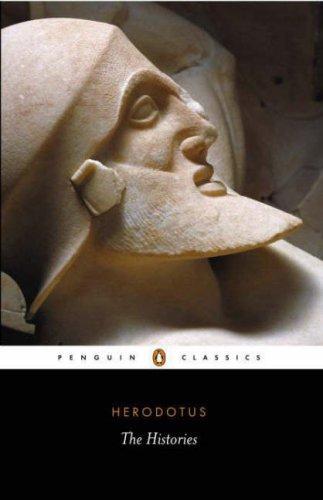
Read the summary → - The Histories
12
Herodotus · History
Herodotus wrote The Histories in the fifth century BCE as an inquiry into the causes of the wars between Greece and Persia that had recently convulsed the Mediterranean world.
Both dig into empire.
Read the summary →
Books like The Silk Roads: A New History of the World: quick answers
What are the best books like The Silk Roads: A New History of the World?
The best books like The Silk Roads: A New History of the World by Peter Frankopan are Sapiens: A Brief History of Humankind by Yuval Noah Harari, Guns, Germs, and Steel by Jared Diamond, The Better Angels of Our Nature by Steven Pinker, Homo Deus: A Brief History of Tomorrow by Yuval Noah Harari, Enlightenment Now by Steven Pinker, plus 7 more below. Each was chosen for themes it shares with The Silk Roads: A New History of the World, such as world history, trade and exchange, geopolitics.
What should I read after The Silk Roads: A New History of the World?
A natural next read after The Silk Roads: A New History of the World is Sapiens: A Brief History of Humankind by Yuval Noah Harari. A kindred history read. Other strong choices are Guns, Germs, and Steel by Jared Diamond, The Better Angels of Our Nature by Steven Pinker, Homo Deus: A Brief History of Tomorrow by Yuval Noah Harari.
What books are similar to The Silk Roads: A New History of the World by Peter Frankopan?
The Silk Roads: A New History of the World centers on world history, trade and exchange, geopolitics. Books with a similar feel include Sapiens: A Brief History of Humankind by Yuval Noah Harari, Guns, Germs, and Steel by Jared Diamond, The Better Angels of Our Nature by Steven Pinker, Homo Deus: A Brief History of Tomorrow by Yuval Noah Harari, Enlightenment Now by Steven Pinker, Annals of Imperial Rome by Tacitus — all free to read and chat with on Superbook.
