
Reading list · 12 books
Brad Feld's reading list
Brad Feld is a managing director at Foundry Group, co-founder of Techstars, and one of the most prolific writer-investors in the VC industry. He has authored or co-authored several books on venture capital and startups, and his feld.com blog — active for over two decades — contains hundreds of detailed book reviews spanning entrepreneurship, mental health, leadership, and fiction. His willingness to write publicly about his own depression has shaped how he reads and recommends books on the mind.
-
01
Venture Deals: Be Smarter Than Your Lawyer and Venture Capitalist
Brad Feld and Jason Mendelson
Feld co-authored this book specifically because founders kept getting taken advantage of in term sheet negotiations. He has described it as the book he wished existed when he was first learning the industry — a plain-language breakdown of every clause in a venture term sheet and what it actually means for control.
-
02
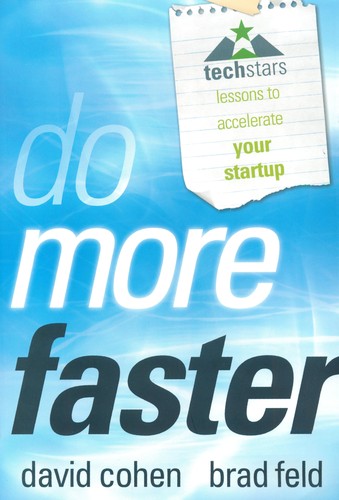
Do More Faster: TechStars Lessons to Accelerate Your Startup
Brad Feld and David Cohen
Feld co-edited this Techstars anthology with David Cohen as a practical companion to the accelerator's curriculum. It collects hard-won lessons from founders who went through the program, organized around the core decisions and inflection points every early-stage company faces.
-
03
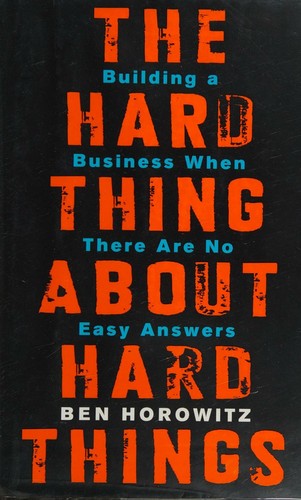
The Hard Thing About Hard Things
Ben Horowitz
Ben Horowitz's account of running Opsware through near-death experiences is one of the books Feld has cited most consistently on his blog as an honest portrayal of what startup leadership actually feels like. The absence of a framework or a tidy conclusion is precisely what he values about it.
-
Read these with Superbook
Chat with any book on this list — ask questions, get answers tuned to you.
-
04
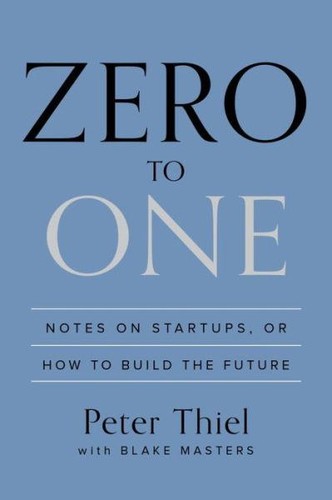
Zero to One: Notes on Startups, or How to Build the Future
Peter Thiel
Feld has recommended Thiel's contrarian take on startups and monopolies as a useful provocation — less a how-to guide than an argument about which questions are worth asking. He values it for pushing founders to think about category creation rather than incremental improvement.
-
05
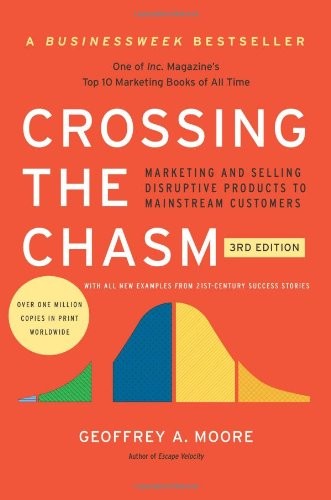
Geoffrey A. Moore
Geoffrey Moore's technology adoption lifecycle framework appears repeatedly in Feld's discussions of how startups reach mainstream customers. He has called it one of the most durable marketing books ever written for technology companies and returns to it when advising portfolio companies on go-to-market transitions.
-
06
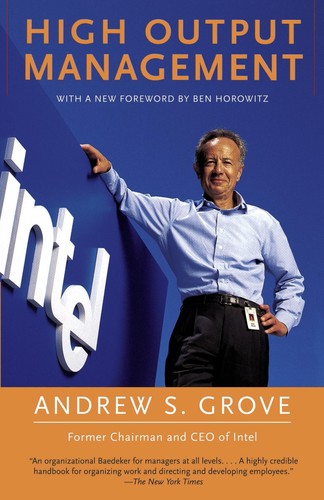
Andrew S. Grove
Andy Grove's operational manual has been on Feld's short list of management books for years. He has written about it on his blog as one of the few books that actually teaches how to run a company at the process level — meetings, performance reviews, and decision-making under uncertainty — rather than just describing what good management looks like.
-
07
The Four Steps to the Epiphany
Steve Blank
Steve Blank's customer development methodology predated the lean startup movement and is a Feld staple recommendation. He has pointed to the customer discovery and validation phases specifically as the discipline most early-stage founders skip at their peril.
-
08
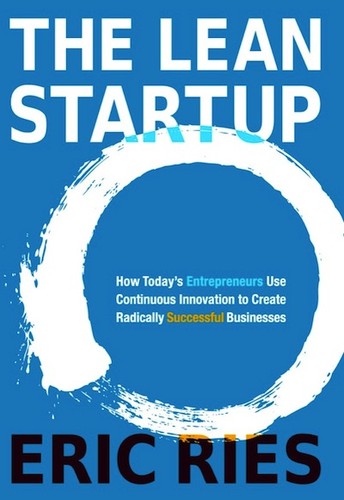
Eric Ries
Feld has recommended Ries's systematization of customer feedback loops as one of the most influential frameworks to emerge from Silicon Valley in the 2010s. He values it particularly for founding teams who are building before they have validated what customers actually want.
-
09
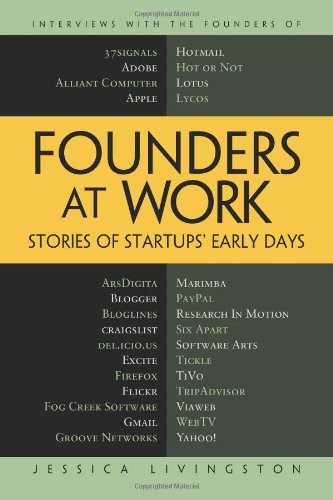
Founders at Work: Stories of Startups' Early Days
Jessica Livingston
Jessica Livingston's interview collection captures the early days of companies that became significant, before the mythology hardened. Feld has recommended it on his blog for the texture it gives to what the first year of a startup actually looks like — unglamorous, uncertain, and almost always different from the story told later.
-
10
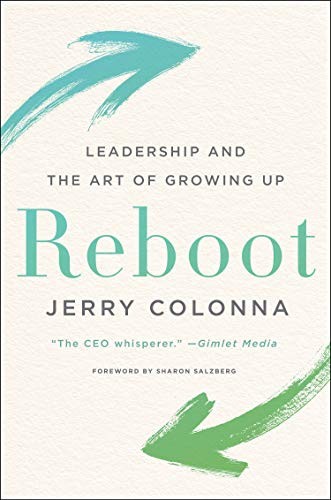
Jerry Colonna
Jerry Colonna's book on leadership and psychological depth is one Feld has discussed specifically in the context of his own mental health work. Colonna, a former VC, addresses the way founders and investors bring unresolved personal material into their companies, and Feld has cited it as essential reading for anyone in a high-stakes leadership role.
-
11
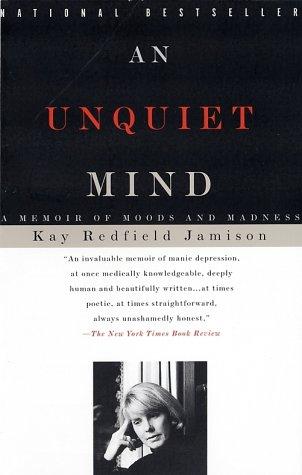
Kay Redfield Jamison
Kay Redfield Jamison's memoir of bipolar disorder is the book Feld has cited most directly in discussions of his own depression. He has written about reading it as a recognition experience — an account of a high-functioning person whose inner life bore no resemblance to their external success. It shaped how he thinks about mental health in founder communities.
-
12
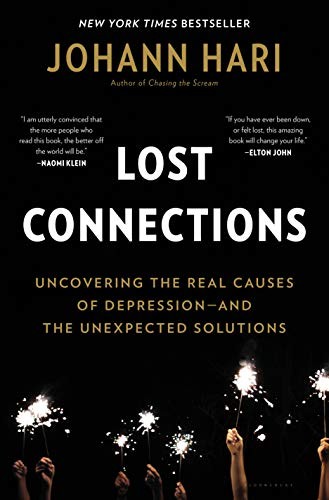
Johann Hari
Johann Hari's investigation into the social and structural causes of depression appears in Feld's reading recommendations in the same cluster as An Unquiet Mind. Where Jamison writes from personal experience, Hari examines the research — and Feld has noted that reading the two together gave him a fuller picture of what depression actually is and isn't.

More on Brad Feld's picks
Brad Feld's reading list reflects two largely separate intellectual lives that occasionally cross. In the first, he is a working venture capitalist and startup builder: the books are operational, focused on how companies are structured, how deals are made, and how early-stage founders can avoid the most expensive mistakes. In the second, he is a person who has struggled with depression and written honestly about it — and that experience drives a very different set of reading choices, toward psychology, mental health memoir, and the science of the mind.
Feld has maintained an active reading log and review practice on his blog since the early 2000s, making him unusually transparent about what he reads and why. His VC-side recommendations skew toward first-principles accounts — the books he recommends are less likely to be generic leadership frameworks and more likely to be specific operational guides by practitioners. Venture Deals, which he co-authored, is the canonical example: a term-sheet-by-term-sheet breakdown that filled a gap the industry didn't know it had.
The mental health strand of his reading is equally deliberate. Books like An Unquiet Mind and Lost Connections appear in his recommendations because they helped him understand his own experience, not just as clinical reading. He has talked publicly about how reading in this area changed his relationship to his own recovery and how he thinks about the founders he works with.
