
Reading list · 12 books
Jeff Bezos's reading list
Jeff Bezos founded Amazon in 1994 and built it into one of the most valuable companies in history before stepping down as CEO in 2021. His reading reflects three consistent preoccupations: understanding customers better than they understand themselves, thinking in decades rather than quarters, and using science fiction as a serious source of strategic imagination. His annual shareholder letters, which he has called a form of communication modeled on Warren Buffett's, are full of book references — Ishiguro's novel shapes his thinking on regret, Christensen's frameworks show up explicitly in product decisions, and he has cited Sam Walton and Good to Great repeatedly in leadership discussions.
-
01
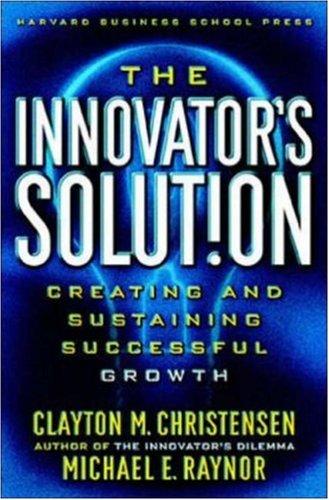
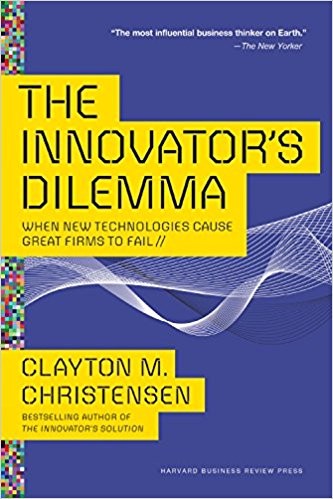
Clayton M. Christensen and Michael E. Raynor
Cited by Bezos in multiple Amazon contexts as a framework for how incumbents lose to disruptors — and how to avoid being the incumbent. The ideas around 'good money' vs 'bad money' map closely onto Amazon's willingness to cannibalize its own businesses before a competitor does.
-
02
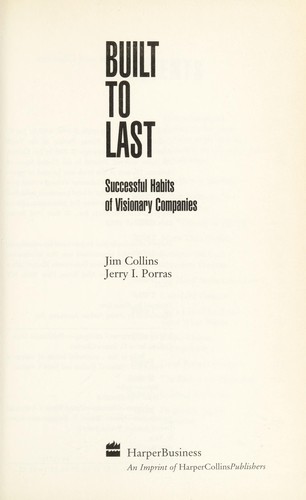
Built to Last: Successful Habits of Visionary Companies
Jim Collins and Jerry I. Porras
Bezos has referenced this alongside Good to Great as a foundational text on building enduring institutions. The emphasis on Big Hairy Audacious Goals and clock-building over time-telling aligns with his stated philosophy of planting seeds that take seven years to bear fruit.
-
03
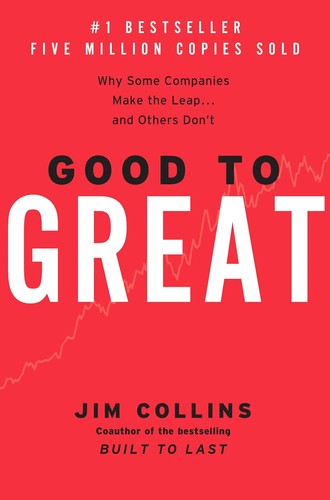
Jim Collins
Collins's flywheel concept became one of Amazon's most explicitly borrowed frameworks — Bezos has described Amazon's own business model using the flywheel analogy in shareholder letters, citing Collins directly. The book shaped how Amazon thinks about virtuous cycles.
-
Read these with Superbook
Chat with any book on this list — ask questions, get answers tuned to you.
-
04
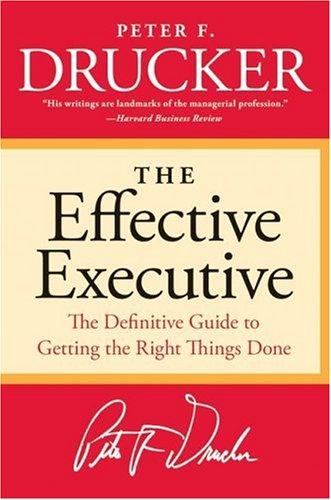
Peter F. Drucker
Bezos has cited Drucker on effectiveness and time management. The insistence on working on the right things — not just working hard — resonates with Amazon's culture of written memos over PowerPoint, and its focus on output rather than effort.
-
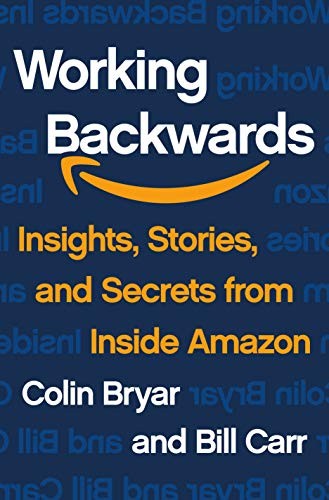
05
Colin Bryar and Bill Carr
Written by Bill Carr and Colin Bryar, two Amazon veterans, this is effectively the operational manual for Bezos-era Amazon: the PR/FAQ process, the six-page narrative memo, the 'working backwards' from the customer. Bezos endorsed it publicly.
-
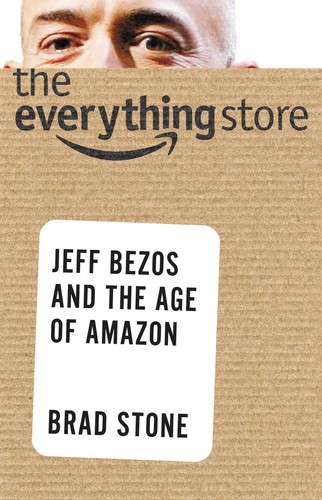
06
The Everything Store: Jeff Bezos and the Age of Amazon
Brad Stone
Brad Stone's biography of Amazon and Bezos, based on extensive interviews. Bezos called it 'accurate but incomplete.' MacKenzie Scott gave it one star on Amazon. It remains the most detailed outside account of how the company's culture was shaped by its founder's reading habits and mental models.
-
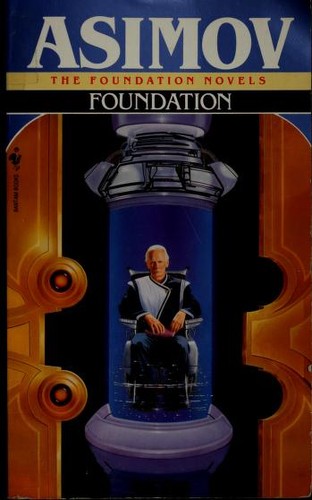
07
Isaac Asimov
Bezos has cited Asimov's Foundation series as one of the most influential works of his life. The idea of building something designed to last thousands of years — and of a small group of clear-eyed people shaping long arcs of history — maps directly onto his public statements about Amazon and Blue Origin.
-
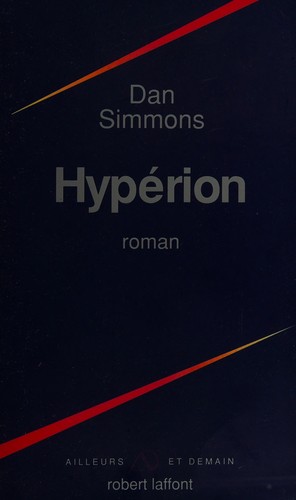
08
Dan Simmons
Mentioned by Bezos in interviews on science fiction's role in long-term thinking. Dan Simmons's novel spans centuries and civilizations; Bezos has said sci-fi at this scale is useful for keeping perspective on what time horizons are actually available to ambitious people.
-
09
Clayton M. Christensen
The companion to The Innovators' Solution. Bezos has described Christensen's framework as essential for understanding why Amazon must continue to disrupt itself — and why large, successful companies are structurally unable to act on what they know about the future.
-
10
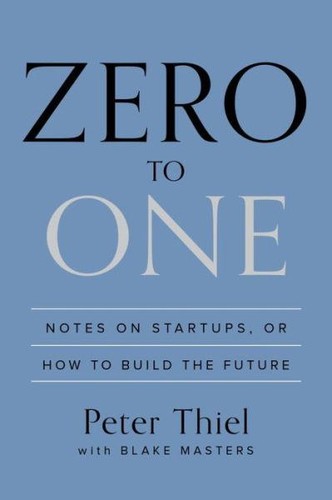
Zero to One: Notes on Startups, or How to Build the Future
Peter Thiel
Thiel's argument for contrarian thinking and monopoly-seeking maps onto Bezos's stated belief that competition is for losers — that the goal is to build something so customer-obsessed and hard to replicate that comparison-shopping becomes irrelevant.
-
11
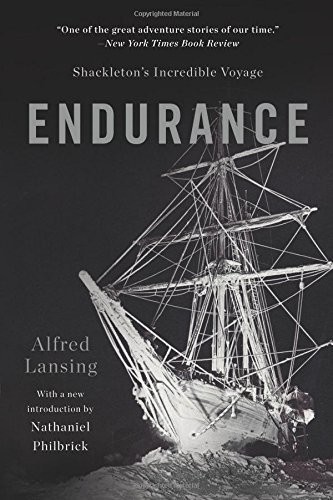
Endurance: Shackleton's Incredible Voyage
Alfred Lansing
Bezos has referenced Shackleton's story as a model of leadership under conditions of genuine uncertainty. The book appears on several Amazon leadership-book lists internally; its lesson — that morale and decision-making don't collapse together — is consistent with Bezos's emphasis on maintaining high standards through adversity.
-
12
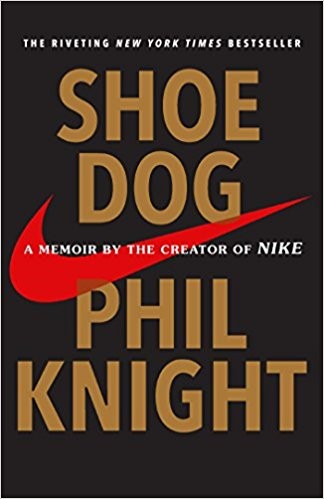
Shoe Dog: A Memoir by the Creator of Nike
Phil Knight
Bezos has praised Phil Knight's memoir publicly. The parallels to Amazon's early years — near-death funding crises, a founder who prioritized growth over profit for years, a culture built around the founder's personal obsessions — make it more than inspirational reading.
More on Jeff Bezos's picks
Bezos's reading list resists easy categorization. It covers business strategy, science fiction, biography, and management — but the connective thread is a preoccupation with compounding: how small decisions accumulate into durable institutions, and how short-term thinking destroys them.
He has spoken about using a 'regret minimization framework' when making major decisions — imagining himself at eighty and asking whether he would regret inaction. That framing comes directly from his reading of The Remains of the Day, which he has referenced across multiple interviews and shareholder letters as one of the books that most influenced how he thinks.
The business books on the list — Built to Last, The Innovators' Solution, Good to Great — are not aspirational reading but reference documents. Bezos has cited them as explicit inputs into Amazon's operating mechanisms: the six-page memo format, the idea of 'two-pizza teams,' the obsession with 'disagree and commit.' Working Backwards, written by two Amazon executives, is in many ways a detailed gloss on how those books' ideas were operationalized.
The science fiction runs alongside the strategy books without apology. Bezos has said he reads sci-fi partly to keep his imagination calibrated — to maintain what he calls 'Day One' thinking, the sense that everything is still possible. Foundation and Hyperion both appear in interviews as formative texts. His investment in Blue Origin reflects the same sensibility.
