Philosophy · Similar reads
Books like Ikigai
The best books like Ikigai are Man's Search for Meaning, The Blue Zones, and Flow: The Psychology of Optimal Experience. Ikigai by Héctor García is about purpose, longevity, japanese culture. If that's what drew you in, here are 12 books that share its DNA — each summarized on Superbook, and ready to chat with in the app.
- Man's Search for Meaning
01
Viktor E. Frankl · Psychology
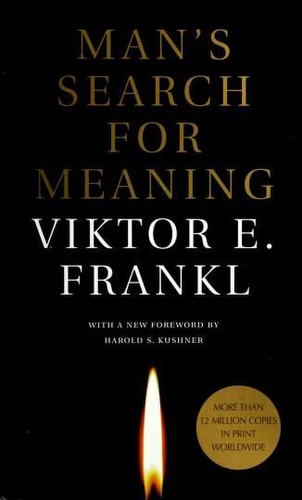
Man's Search for Meaning is Viktor Frankl's account of his years as a prisoner in Nazi concentration camps, including Auschwitz, and the psychological theory he developed from that experience.
Ikigai names logotherapy as its Western parallel, and Frankl is the source, arguing that a reason to live is what carries a person through almost anything.
Read the summary → - The Blue Zones
02
Dan Buettner · Health
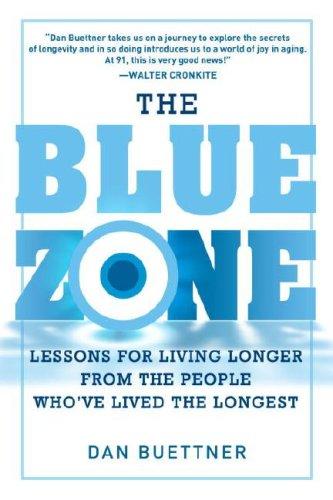
The Blue Zones is Dan Buettner's investigation into five geographic regions where people live measurably longer and healthier lives than global averages: Sardinia (Italy), Okinawa (Japan), Loma Linda (California), the Nicoya Peninsula (Costa Rica), and Ikaria (Greece).
Buettner's researchers walked the same Okinawan villages and reached the same finding, that purpose, community and gentle daily movement, not diet alone, make long lives.
Read the summary → - Flow: The Psychology of Optimal Experience
03
Flow: The Psychology of Optimal Experience
Mihaly Csikszentmihalyi · Psychology
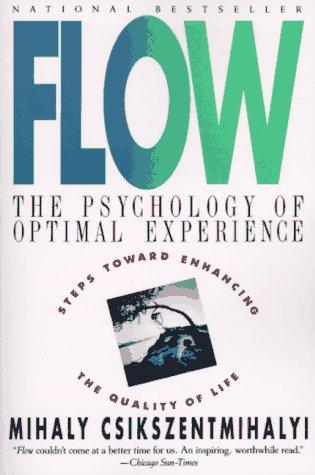
Flow is Csikszentmihalyi's landmark study of optimal experience — those moments when people are so deeply absorbed in an activity that time warps, self-consciousness disappears, and effort feels effortless.
Ikigai leans on Csikszentmihalyi for its best chapter, so go to the source for the full psychology of losing yourself in work that completely absorbs you.
Read the summary →
- When Breath Becomes Air
04
Paul Kalanithi · Memoir
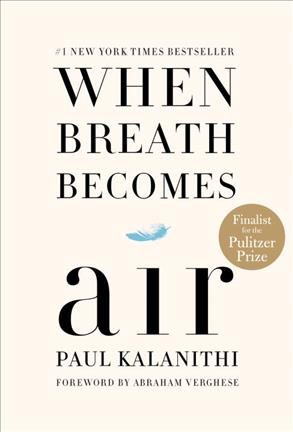
When Breath Becomes Air is Paul Kalanithi's account of his life before and after being diagnosed with stage IV lung cancer at 36, while completing his residency in neurosurgery at Stanford.
A dying neurosurgeon confronts Ikigai's central question under maximum pressure, weighing what makes a life worth living when time has nearly run out.
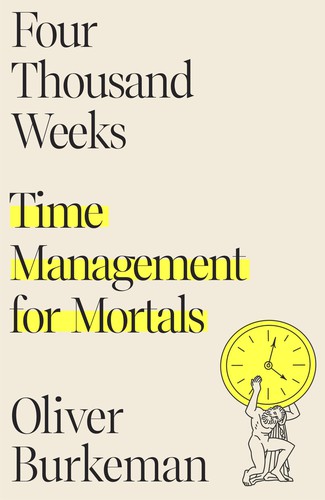
Read the summary → - Four Thousand Weeks: Time Management for Mortals
05
Four Thousand Weeks: Time Management for Mortals
Oliver Burkeman · Self-help
Four Thousand Weeks is Oliver Burkeman's philosophical attack on the entire project of time management as it is usually practiced.
Burkeman does the arithmetic Ikigai keeps gentle, showing that a brief, finite life is precisely why the reason you get up each morning matters now.
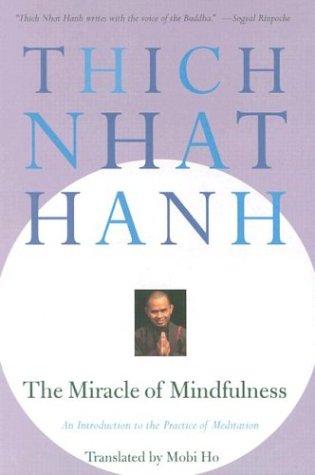
Read the summary → - The Miracle of Mindfulness
06
Thich Nhat Hanh · Religion & Spirituality
The Miracle of Mindfulness is Thich Nhat Hanh's introduction to mindfulness practice, originally written in Vietnamese as a letter to a fellow monk.
Thich Nhat Hanh turns Ikigai's ideal of full presence into simple practice, finding real depth in washing the dishes and drinking a cup of tea.
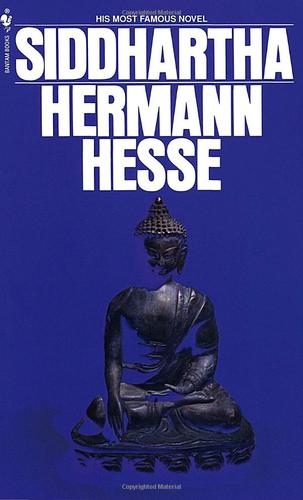
Read the summary → - Siddhartha
07
Hermann Hesse · Religion & Spirituality
Siddhartha is Hermann Hesse's 1922 novel of spiritual seeking, written at a time when Hesse was deeply studying Buddhist and Hindu texts.
Hesse's slim parable follows one seeker to the quiet conclusion Ikigai also reaches, that a meaningful life is something lived rather than achieved.
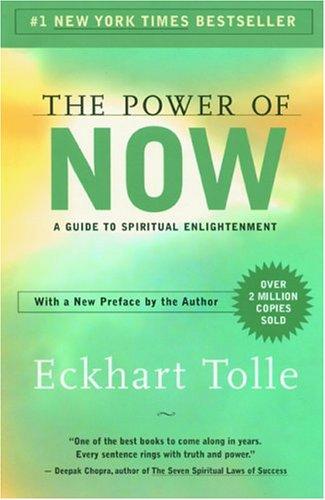
Read the summary → - The Power of Now
08
Eckhart Tolle · Religion & Spirituality
The Power of Now is Eckhart Tolle's argument that the root of human suffering is identification with the stream of thought — the restless inner commentary that most people mistake for who they are.
For the present-moment absorption Ikigai admires in Okinawan elders, Tolle argues that engaging completely with this moment is essentially the whole of it.
Read the summary → - Stillness Is the Key
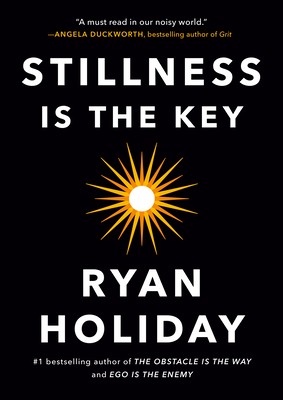
09
Ryan Holiday · Philosophy
Ryan Holiday's central argument is deceptively simple: the ability to be still — to quiet the mind, resist distraction, and act from a place of clarity rather than reaction — is not a passive virtue but an active competitive advantage.
Holiday gathers Stoic and Eastern wisdom on slowing down, the unhurried pace Ikigai keeps pointing to as the ground of a long and contented life.
Read the summary → - Tao Te Ching
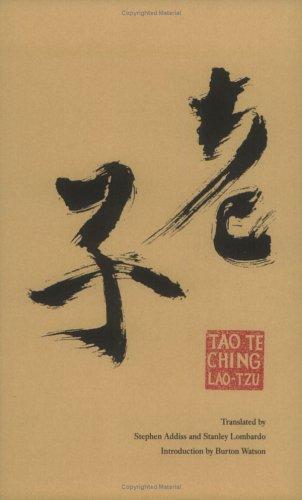
10
Laozi · Philosophy
The Tao Te Ching is one of the most translated texts in world literature and the foundational scripture of Taoism.
The ancient Taoist root of Ikigai's gentlest instinct, to live simply, act without forcing, and let your days settle into their own natural rhythm.
Read the summary → - Outlive: The Science and Art of Longevity
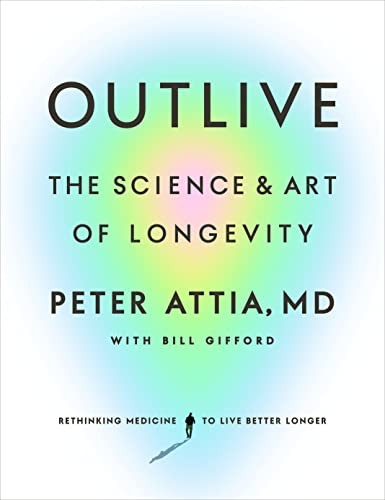
11
Outlive: The Science and Art of Longevity
Peter Attia · Health
Peter Attia's Outlive is a book about how most people approach longevity backwards.
If Ikigai leaves you wanting the rigorous longevity science it only gestures toward, Attia delivers the evidence-based manual for living better for longer.
Read the summary → - A New Earth: Awakening to Your Life's Purpose
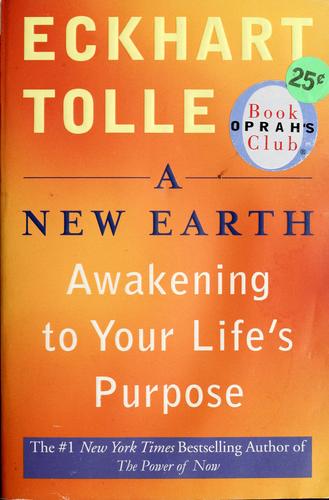
12
A New Earth: Awakening to Your Life's Purpose
Eckhart Tolle · Religion & Spirituality
A New Earth is Eckhart Tolle's follow-up to The Power of Now, applying the same framework of presence and ego-transcendence to a broader account of human dysfunction and its transformation.
Tolle reframes purpose as something deeper than ambition, echoing Ikigai's quiet claim that a reason for being need not be grand to sustain a life.
Read the summary →
Books like Ikigai: quick answers
What are the best books like Ikigai?
The best books like Ikigai by Héctor García are Man's Search for Meaning by Viktor E. Frankl, The Blue Zones by Dan Buettner, Flow: The Psychology of Optimal Experience by Mihaly Csikszentmihalyi, When Breath Becomes Air by Paul Kalanithi, Four Thousand Weeks: Time Management for Mortals by Oliver Burkeman, plus 7 more below. Each was chosen for themes it shares with Ikigai, such as purpose, longevity, japanese culture.
What should I read after Ikigai?
A natural next read after Ikigai is Man's Search for Meaning by Viktor E. Frankl. Ikigai names logotherapy as its Western parallel, and Frankl is the source, arguing that a reason to live is what carries a person through almost anything. Other strong choices are The Blue Zones by Dan Buettner, Flow: The Psychology of Optimal Experience by Mihaly Csikszentmihalyi, When Breath Becomes Air by Paul Kalanithi.
What books are similar to Ikigai by Héctor García?
Ikigai centers on purpose, longevity, japanese culture. Books with a similar feel include Man's Search for Meaning by Viktor E. Frankl, The Blue Zones by Dan Buettner, Flow: The Psychology of Optimal Experience by Mihaly Csikszentmihalyi, When Breath Becomes Air by Paul Kalanithi, Four Thousand Weeks: Time Management for Mortals by Oliver Burkeman, The Miracle of Mindfulness by Thich Nhat Hanh — all free to read and chat with on Superbook.
