Science · Similar reads
Books like The Blank Slate: The Modern Denial of Human Nature
The best books like The Blank Slate: The Modern Denial of Human Nature are Sapiens: A Brief History of Humankind, Behave: The Biology of Humans at Our Best and Worst, and Thinking, Fast and Slow. The Blank Slate: The Modern Denial of Human Nature by Steven Pinker is about human nature, nature vs nurture, evolutionary psychology. If that's what drew you in, here are 12 books that share its DNA — each summarized on Superbook, and ready to chat with in the app.
- Sapiens: A Brief History of Humankind
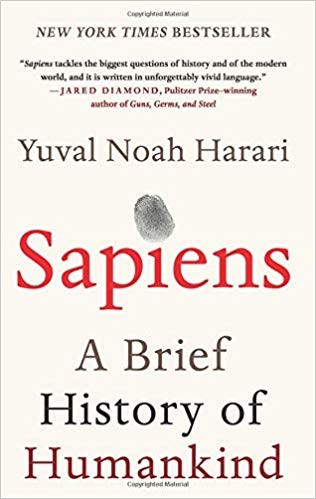
01
Sapiens: A Brief History of Humankind
Yuval Noah Harari · History
Sapiens traces the full arc of human history from the emergence of Homo sapiens in Africa roughly 70,000 years ago to the present.
A kindred science read.
Read the summary → - Behave: The Biology of Humans at Our Best and Worst
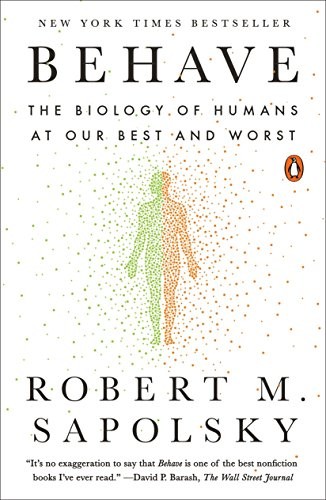
02
Behave: The Biology of Humans at Our Best and Worst
Robert M. Sapolsky · Science
Behave is Robert Sapolsky's attempt to explain why humans do what they do — the violence, the altruism, the tribalism, the heroism — by working through every layer of biology that contributes to a single act.
A kindred science read.
Read the summary → - Thinking, Fast and Slow
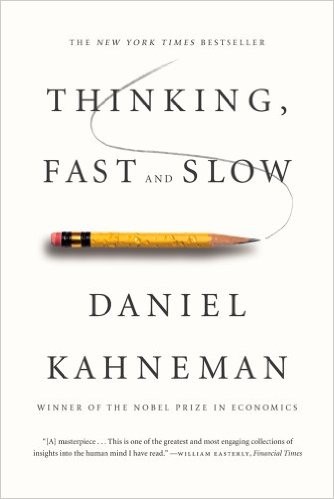
03
Daniel Kahneman · Psychology
Thinking, Fast and Slow is Daniel Kahneman's account of the two cognitive systems that govern human thought.
A kindred science read.
Read the summary →
- The Better Angels of Our Nature
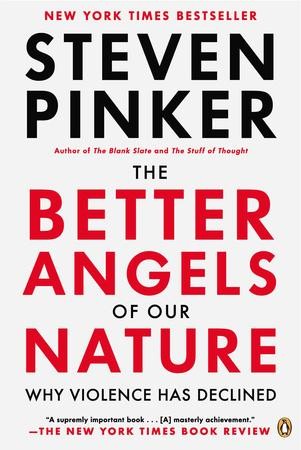
04
The Better Angels of Our Nature
Steven Pinker · Science
The Better Angels of Our Nature is Steven Pinker's argument, supported by extensive historical and statistical data, that human violence has declined dramatically over long time periods and that this decline is real, not an artifact of reporting or perception.
A kindred science read.
Read the summary → - Incognito: The Secret Lives of the Brain
05
Incognito: The Secret Lives of the Brain
David Eagleman · Psychology
David Eagleman is a neuroscientist at Stanford who argues that the conscious self is a late, small, and largely uninformed participant in the brain's activity.
A kindred science read.
Read the summary → - Civilized to Death
06
Christopher Ryan · Science
Christopher Ryan is the co-author of Sex at Dawn, a 2010 book that argued human beings are not naturally monogamous.
Both dig into human nature.
Read the summary → - How the Mind Works
07
Steven Pinker · Science
How the Mind Works is Steven Pinker's synthesis of cognitive science and evolutionary psychology, built around a central thesis: the mind is a computational system — a neural computer — shaped by natural selection to solve the adaptive problems that faced our ancestors on the Pleistocene savanna.
Both dig into evolutionary psychology.
Read the summary → - Nature via Nurture: Genes, Experience, and What Makes Us Human
08
Nature via Nurture: Genes, Experience, and What Makes Us Human
Matt Ridley · Science
Matt Ridley's central argument is that the nature versus nurture debate has been framed wrong for over a century.
Both dig into human nature.
Read the summary → - The Language Instinct
09
Steven Pinker · Science
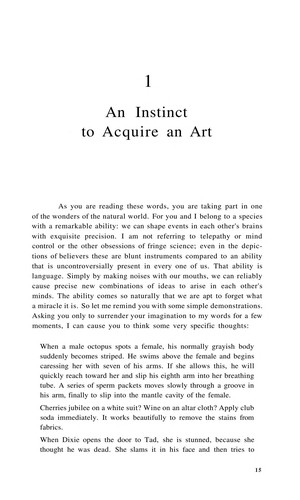
The Language Instinct is Steven Pinker's argument that language is not a cultural invention but a biological instinct — a specialized module in the human brain that evolved by natural selection, much as the eye evolved to see or the hand evolved to grasp.
Both dig into human nature.
Read the summary → - The Origins of Virtue: Human Instincts and the Evolution of Cooperation
10
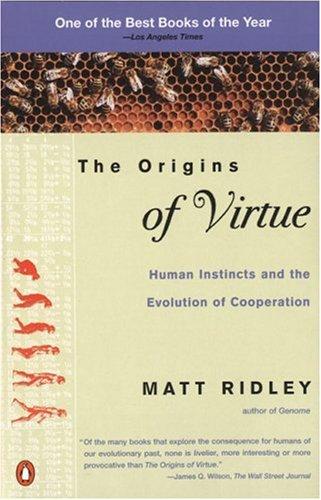
The Origins of Virtue: Human Instincts and the Evolution of Cooperation
Matt Ridley · Science
The Origins of Virtue begins from a puzzle: humans cooperate extensively with non-relatives, a behavior that seems to contradict the logic of natural selection, which predicts that organisms should act in the interests of their genes and close kin.
Both dig into human nature.
Read the summary → - The Red Queen: Sex and the Evolution of Human Nature
11
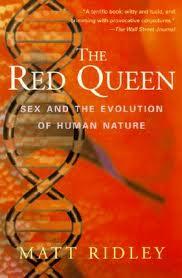
The Red Queen: Sex and the Evolution of Human Nature
Matt Ridley · Science
The Red Queen takes its title from Lewis Carroll's Through the Looking-Glass, where the Red Queen tells Alice she must keep running just to stay in the same place.
Both dig into human nature.
Read the summary → - The Sports Gene
12
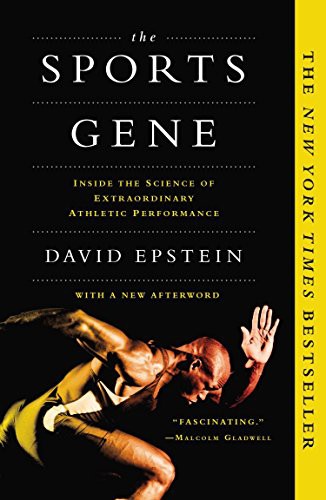
David Epstein · Science
The Sports Gene is David Epstein's investigation into the science of athletic performance — specifically the question of how much genetics determines who becomes elite.
Both dig into nature vs nurture.
Read the summary →
Books like The Blank Slate: The Modern Denial of Human Nature: quick answers
What are the best books like The Blank Slate: The Modern Denial of Human Nature?
The best books like The Blank Slate: The Modern Denial of Human Nature by Steven Pinker are Sapiens: A Brief History of Humankind by Yuval Noah Harari, Behave: The Biology of Humans at Our Best and Worst by Robert M. Sapolsky, Thinking, Fast and Slow by Daniel Kahneman, The Better Angels of Our Nature by Steven Pinker, Incognito: The Secret Lives of the Brain by David Eagleman, plus 7 more below. Each was chosen for themes it shares with The Blank Slate: The Modern Denial of Human Nature, such as human nature, nature vs nurture, evolutionary psychology.
What should I read after The Blank Slate: The Modern Denial of Human Nature?
A natural next read after The Blank Slate: The Modern Denial of Human Nature is Sapiens: A Brief History of Humankind by Yuval Noah Harari. A kindred science read. Other strong choices are Behave: The Biology of Humans at Our Best and Worst by Robert M. Sapolsky, Thinking, Fast and Slow by Daniel Kahneman, The Better Angels of Our Nature by Steven Pinker.
What books are similar to The Blank Slate: The Modern Denial of Human Nature by Steven Pinker?
The Blank Slate: The Modern Denial of Human Nature centers on human nature, nature vs nurture, evolutionary psychology. Books with a similar feel include Sapiens: A Brief History of Humankind by Yuval Noah Harari, Behave: The Biology of Humans at Our Best and Worst by Robert M. Sapolsky, Thinking, Fast and Slow by Daniel Kahneman, The Better Angels of Our Nature by Steven Pinker, Incognito: The Secret Lives of the Brain by David Eagleman, Civilized to Death by Christopher Ryan — all free to read and chat with on Superbook.
