Science · Similar reads
Books like Behave: The Biology of Humans at Our Best and Worst
The best books like Behave: The Biology of Humans at Our Best and Worst are Thinking, Fast and Slow, The Righteous Mind: Why Good People Are Divided by Politics and Religion, and Sapiens: A Brief History of Humankind. Behave: The Biology of Humans at Our Best and Worst by Robert M. Sapolsky is about human behavior, neuroscience, evolution. If that's what drew you in, here are 12 books that share its DNA — each summarized on Superbook, and ready to chat with in the app.
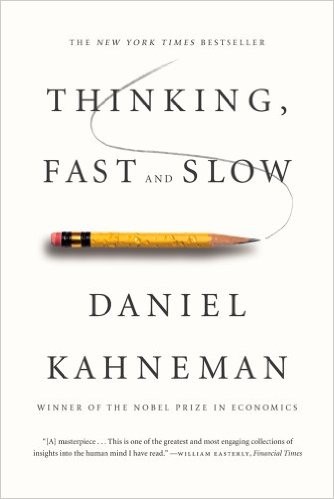
- Thinking, Fast and Slow
01
Daniel Kahneman · Psychology
Thinking, Fast and Slow is Daniel Kahneman's account of the two cognitive systems that govern human thought.
A kindred science read.
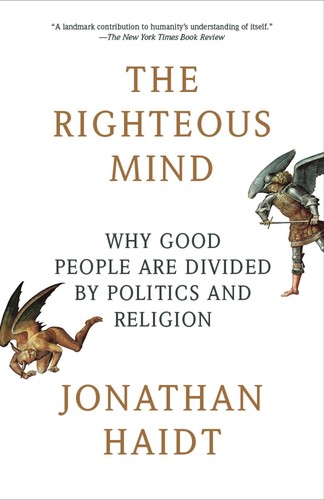
Read the summary → - The Righteous Mind: Why Good People Are Divided by Politics and Religion
02
The Righteous Mind: Why Good People Are Divided by Politics and Religion
Jonathan Haidt · Psychology
The Righteous Mind is Jonathan Haidt's argument that moral reasoning is not the source of our moral judgments — it's the press secretary for them.
A kindred science read.
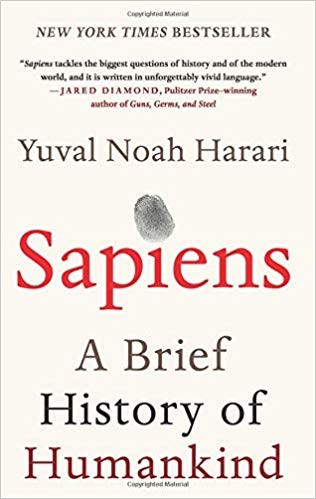
Read the summary → - Sapiens: A Brief History of Humankind
03
Sapiens: A Brief History of Humankind
Yuval Noah Harari · History
Sapiens traces the full arc of human history from the emergence of Homo sapiens in Africa roughly 70,000 years ago to the present.
Both dig into evolution.
Read the summary →
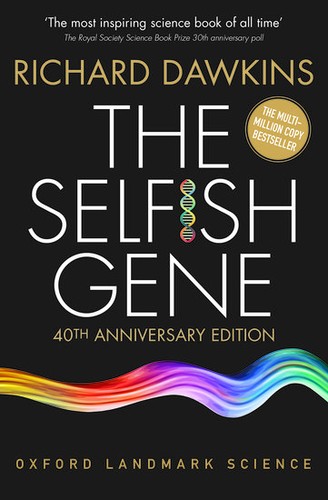
- The Selfish Gene
04
Richard Dawkins · Science
The Selfish Gene reframes evolution from the organism's point of view to the gene's.
Both dig into evolution.
Read the summary → - The Origins of Virtue: Human Instincts and the Evolution of Cooperation
05
The Origins of Virtue: Human Instincts and the Evolution of Cooperation
Matt Ridley · Science
The Origins of Virtue begins from a puzzle: humans cooperate extensively with non-relatives, a behavior that seems to contradict the logic of natural selection, which predicts that organisms should act in the interests of their genes and close kin.
Shares evolution and morality with Behave: The Biology of Humans at Our Best and Worst.
Read the summary → - Seven and a Half Lessons About the Brain
06
Seven and a Half Lessons About the Brain
Lisa Feldman Barrett · Psychology
Lisa Feldman Barrett wrote this short book — genuinely short at under thirty thousand words — as an accessible introduction to seven core findings of modern neuroscience, each presented as a lesson that overturns something most people believe.
Shares neuroscience and evolution with Behave: The Biology of Humans at Our Best and Worst.
Read the summary → - The God Delusion
07
Richard Dawkins · Religion & Spirituality
The God Delusion is Richard Dawkins' comprehensive case against religious belief, published in 2006 as the most high-profile work of the New Atheist movement.
Shares evolution and morality with Behave: The Biology of Humans at Our Best and Worst.
Read the summary → - A Crack in Creation: Gene Editing and the Unthinkable Power to Control Evolution
08
A Crack in Creation: Gene Editing and the Unthinkable Power to Control Evolution
Jennifer A. Doudna and Samuel H. Sternberg · Science
A Crack in Creation is Jennifer Doudna and Samuel Sternberg's account of how CRISPR-Cas9 works, what it can do, and why its possibilities should give everyone pause.
Both dig into evolution.
Read the summary → - A Short History of Nearly Everything
09
A Short History of Nearly Everything
Bill Bryson · Science
A Short History of Nearly Everything is Bill Bryson's attempt to understand the scientific story of everything — from the Big Bang to the emergence of modern humans — by spending three years talking to scientists and reading science history.
Both dig into evolution.
Read the summary → - Altered Traits: Science Reveals How Meditation Changes Your Mind, Brain, and Body
10
Altered Traits: Science Reveals How Meditation Changes Your Mind, Brain, and Body
Daniel Goleman and Richard J. Davidson · Science
Altered Traits is a careful assessment of what neuroscience actually knows about meditation, written by two researchers who have spent their careers at the intersection of contemplative practice and empirical science.
Both dig into neuroscience.
Read the summary → - Are We Smart Enough to Know How Smart Animals Are?
11
Are We Smart Enough to Know How Smart Animals Are?
Frans de Waal · Science
Frans de Waal's central argument is that we've spent most of the last century asking the wrong questions about animal intelligence.
Both dig into evolution.
Read the summary → - Climbing Mount Improbable
12
Richard Dawkins · Science
Climbing Mount Improbable is Richard Dawkins's response to the persistent intuition that complex biological structures — the vertebrate eye, insect wings, spider webs — are too improbable to have evolved by chance.
Both dig into evolution.
Read the summary →
Books like Behave: The Biology of Humans at Our Best and Worst: quick answers
What are the best books like Behave: The Biology of Humans at Our Best and Worst?
The best books like Behave: The Biology of Humans at Our Best and Worst by Robert M. Sapolsky are Thinking, Fast and Slow by Daniel Kahneman, The Righteous Mind: Why Good People Are Divided by Politics and Religion by Jonathan Haidt, Sapiens: A Brief History of Humankind by Yuval Noah Harari, The Selfish Gene by Richard Dawkins, The Origins of Virtue: Human Instincts and the Evolution of Cooperation by Matt Ridley, plus 7 more below. Each was chosen for themes it shares with Behave: The Biology of Humans at Our Best and Worst, such as human behavior, neuroscience, evolution.
What should I read after Behave: The Biology of Humans at Our Best and Worst?
A natural next read after Behave: The Biology of Humans at Our Best and Worst is Thinking, Fast and Slow by Daniel Kahneman. A kindred science read. Other strong choices are The Righteous Mind: Why Good People Are Divided by Politics and Religion by Jonathan Haidt, Sapiens: A Brief History of Humankind by Yuval Noah Harari, The Selfish Gene by Richard Dawkins.
What books are similar to Behave: The Biology of Humans at Our Best and Worst by Robert M. Sapolsky?
Behave: The Biology of Humans at Our Best and Worst centers on human behavior, neuroscience, evolution. Books with a similar feel include Thinking, Fast and Slow by Daniel Kahneman, The Righteous Mind: Why Good People Are Divided by Politics and Religion by Jonathan Haidt, Sapiens: A Brief History of Humankind by Yuval Noah Harari, The Selfish Gene by Richard Dawkins, The Origins of Virtue: Human Instincts and the Evolution of Cooperation by Matt Ridley, Seven and a Half Lessons About the Brain by Lisa Feldman Barrett — all free to read and chat with on Superbook.
