History · Similar reads
Books like The Captive Mind
The best books like The Captive Mind are Sapiens: A Brief History of Humankind, Homo Deus: A Brief History of Tomorrow, and 21 Lessons for the 21st Century. The Captive Mind by Czesław Miłosz is about totalitarianism, ideology, intellectual compromise. If that's what drew you in, here are 12 books that share its DNA — each summarized on Superbook, and ready to chat with in the app.
- Sapiens: A Brief History of Humankind
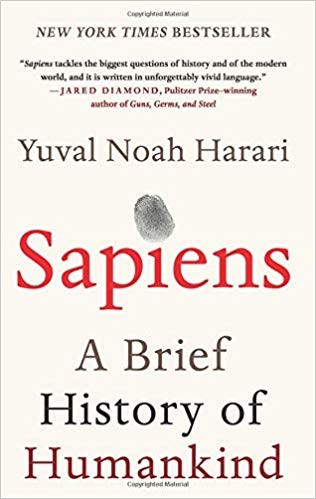
01
Sapiens: A Brief History of Humankind
Yuval Noah Harari · History
Sapiens traces the full arc of human history from the emergence of Homo sapiens in Africa roughly 70,000 years ago to the present.
A kindred history read.
Read the summary → - Homo Deus: A Brief History of Tomorrow
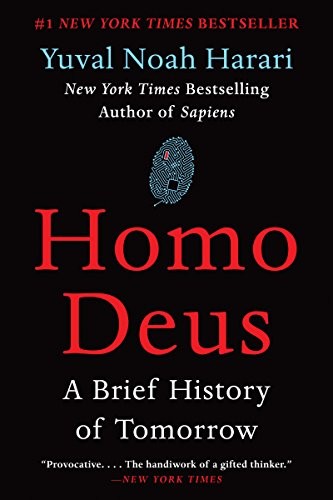
02
Homo Deus: A Brief History of Tomorrow
Yuval Noah Harari · History
Homo Deus picks up where Sapiens left off, but turns to face the other direction.
A kindred history read.
Read the summary → - 21 Lessons for the 21st Century
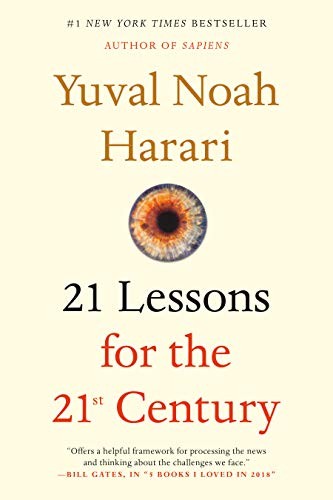
03
21 Lessons for the 21st Century
Yuval Noah Harari · Philosophy
Where Sapiens traced humanity's past and Homo Deus speculated about its future, 21 Lessons for the 21st Century plants itself in the present.
A kindred history read.
Read the summary →
- Bloodlands: Europe Between Hitler and Stalin
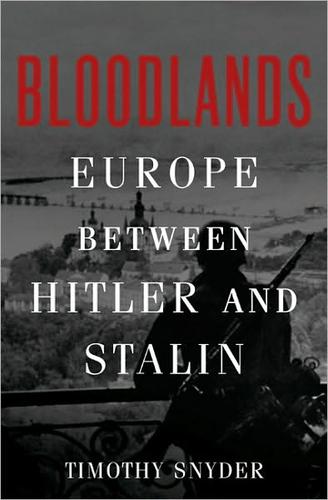
04
Bloodlands: Europe Between Hitler and Stalin
Timothy Snyder · History
Bloodlands is Timothy Snyder's account of the territories between Nazi Germany and the Soviet Union — principally Poland, Ukraine, Belarus, and the Baltic states — where the two regimes' violence overlapped between 1933 and 1945.
Both dig into totalitarianism.
Read the summary → - Gulag: A History
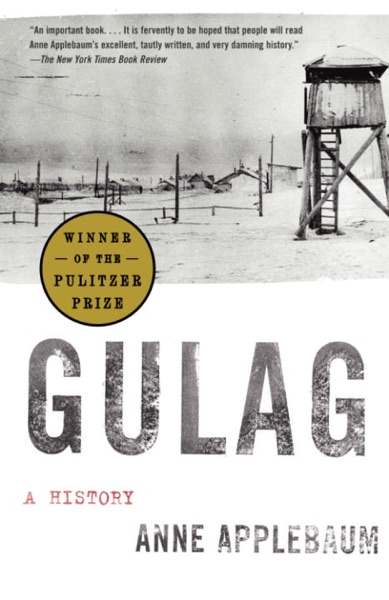
05
Anne Applebaum · History
Anne Applebaum's Gulag is the first comprehensive English-language history of the Soviet forced labor camp system, drawing on KGB archives opened briefly after 1991, survivor memoirs, and interviews with former prisoners and guards.
Both dig into totalitarianism.
Read the summary → - Hitler's Willing Executioners: Ordinary Germans and the Holocaust
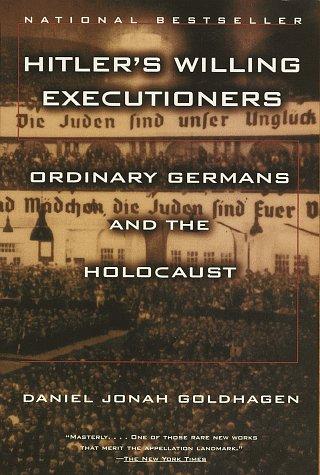
06
Hitler's Willing Executioners: Ordinary Germans and the Holocaust
Daniel Jonah Goldhagen · History
Hitler's Willing Executioners is Daniel Goldhagen's argument that the Holocaust was made possible by a specifically German form of antisemitism — what he calls "eliminationist antisemitism" — that was so deeply embedded in German culture by the twentieth century that ordinary Germans participated in the genocide willingly, not reluctantly, and often with evident enthusiasm.
Both dig into ideology.
Read the summary → - Iron Curtain: The Crushing of Eastern Europe 1944–1956
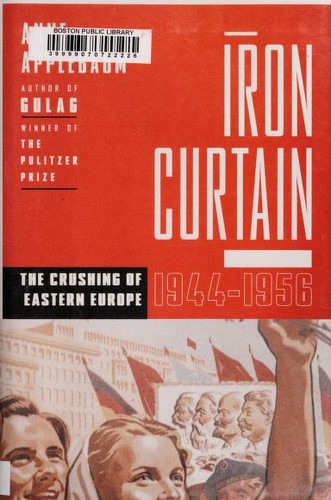
07
Iron Curtain: The Crushing of Eastern Europe 1944–1956
Anne Applebaum · History
Iron Curtain is Anne Applebaum's account of how the Soviet Union destroyed civil society and imposed communist rule across Eastern Europe between 1944 and 1956.
Both dig into totalitarianism.
Read the summary → - Ordinary Men: Reserve Police Battalion 101 and the Final Solution in Poland
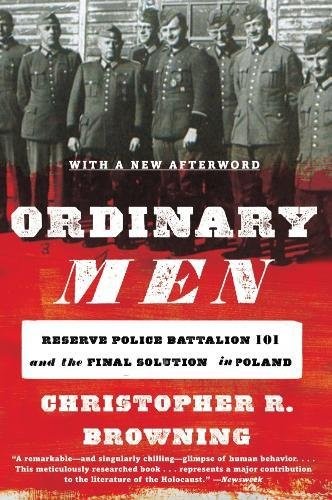
08
Ordinary Men: Reserve Police Battalion 101 and the Final Solution in Poland
Christopher R. Browning · History
Ordinary Men is Christopher Browning's study of Reserve Police Battalion 101, a unit of middle-aged German men — not hardened SS officers but Hamburg policemen with civilian lives and families — who between 1942 and 1943 shot approximately 38,000 Jewish men, women, and children in occupied Poland and deported another 45,000 to the Treblinka death camp.
Both dig into conformity.
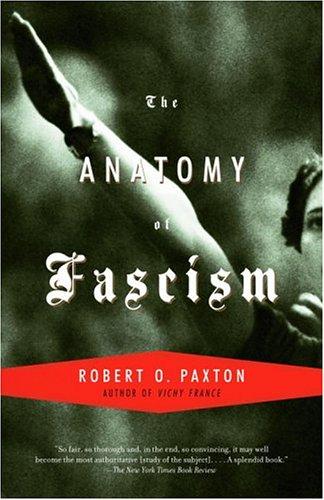
Read the summary → - The Anatomy of Fascism
- The Cold War: A New History
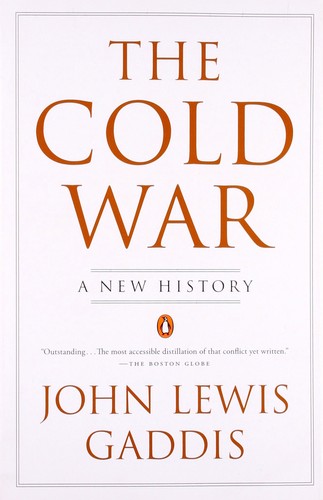
10
John Lewis Gaddis · History
John Lewis Gaddis wrote The Cold War: A New History as a short, synthetic account of the entire superpower conflict, from the end of World War II through the Soviet collapse in 1991.
Both dig into ideology.
Read the summary → - The Communist Manifesto
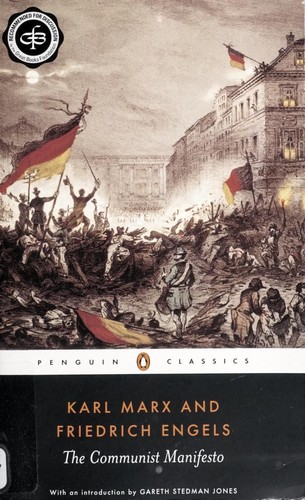
11
Karl Marx and Friedrich Engels · History
Published in 1848 on the eve of a wave of European revolutions, The Communist Manifesto is a short political pamphlet that has shaped more history than almost any other document of its length.
Both dig into ideology.
Read the summary → - The End of History and the Last Man
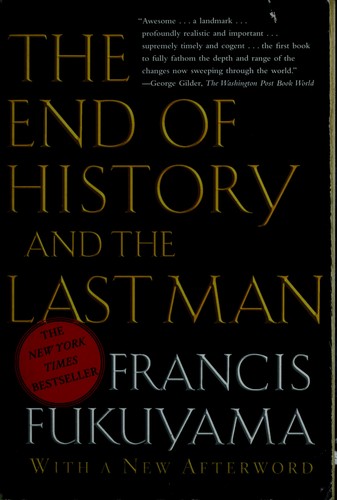
12
The End of History and the Last Man
Francis Fukuyama · History
Francis Fukuyama's The End of History and the Last Man was published in 1992, following the collapse of the Soviet Union and the apparent triumph of liberal democracy as the world's dominant political model.
Both dig into ideology.
Read the summary →
Books like The Captive Mind: quick answers
What are the best books like The Captive Mind?
The best books like The Captive Mind by Czesław Miłosz are Sapiens: A Brief History of Humankind by Yuval Noah Harari, Homo Deus: A Brief History of Tomorrow by Yuval Noah Harari, 21 Lessons for the 21st Century by Yuval Noah Harari, Bloodlands: Europe Between Hitler and Stalin by Timothy Snyder, Gulag: A History by Anne Applebaum, plus 7 more below. Each was chosen for themes it shares with The Captive Mind, such as totalitarianism, ideology, intellectual compromise.
What should I read after The Captive Mind?
A natural next read after The Captive Mind is Sapiens: A Brief History of Humankind by Yuval Noah Harari. A kindred history read. Other strong choices are Homo Deus: A Brief History of Tomorrow by Yuval Noah Harari, 21 Lessons for the 21st Century by Yuval Noah Harari, Bloodlands: Europe Between Hitler and Stalin by Timothy Snyder.
What books are similar to The Captive Mind by Czesław Miłosz?
The Captive Mind centers on totalitarianism, ideology, intellectual compromise. Books with a similar feel include Sapiens: A Brief History of Humankind by Yuval Noah Harari, Homo Deus: A Brief History of Tomorrow by Yuval Noah Harari, 21 Lessons for the 21st Century by Yuval Noah Harari, Bloodlands: Europe Between Hitler and Stalin by Timothy Snyder, Gulag: A History by Anne Applebaum, Hitler's Willing Executioners: Ordinary Germans and the Holocaust by Daniel Jonah Goldhagen — all free to read and chat with on Superbook.
