Psychology · Similar reads
Books like The Design of Everyday Things
The best books like The Design of Everyday Things are Thinking, Fast and Slow, Blink: The Power of Thinking Without Thinking, and Hooked: How to Build Habit-Forming Products. The Design of Everyday Things by Donald Norman is about design, human-centered thinking, cognitive psychology. If that's what drew you in, here are 12 books that share its DNA — each summarized on Superbook, and ready to chat with in the app.
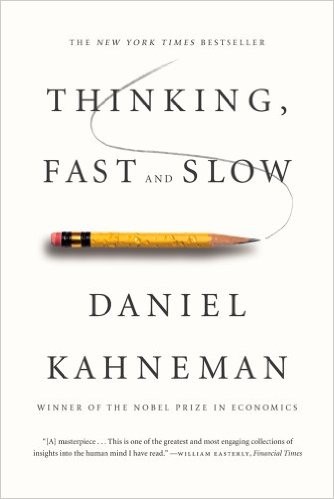
- Thinking, Fast and Slow
01
Daniel Kahneman · Psychology
Thinking, Fast and Slow is Daniel Kahneman's account of the two cognitive systems that govern human thought.
A kindred psychology read.
Read the summary → - Blink: The Power of Thinking Without Thinking
02
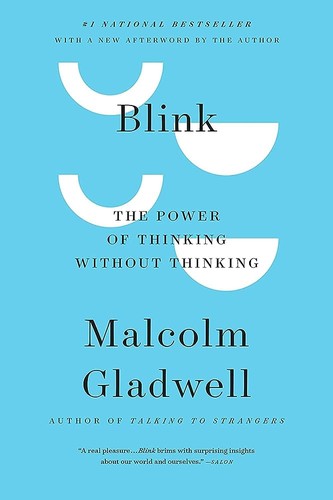
Blink: The Power of Thinking Without Thinking
Malcolm Gladwell · Psychology
Blink is Malcolm Gladwell's argument that fast, unconscious decisions — the ones made in the first two seconds of encountering something — are often just as reliable as slow, deliberate analysis, and sometimes more so.
A kindred psychology read.
Read the summary → - Hooked: How to Build Habit-Forming Products
03
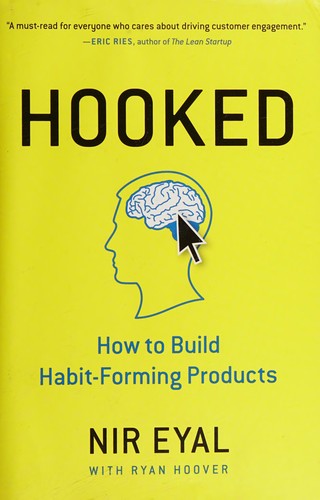
Hooked: How to Build Habit-Forming Products
Nir Eyal · Business
Hooked is Nir Eyal's framework for designing products that people return to without external prompting.
A kindred psychology read.
Read the summary →
- Indistractable: How to Control Your Attention and Choose Your Life
04
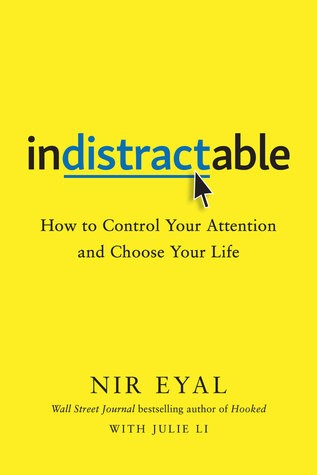
Indistractable: How to Control Your Attention and Choose Your Life
Nir Eyal · Self-help
Indistractable is Nir Eyal's argument that distraction is not a technology problem — it's a psychology problem.
A kindred psychology read.
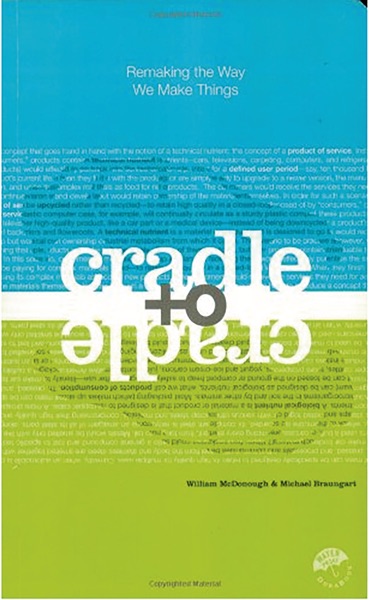
Read the summary → - Cradle to Cradle: Remaking the Way We Make Things
05
Cradle to Cradle: Remaking the Way We Make Things
William McDonough & Michael Braungart · Science
Cradle to Cradle is William McDonough and Michael Braungart's argument that the conventional approach to environmentalism — reducing, reusing, recycling, being "less bad" — is insufficient and in some ways misleading.
Both dig into design.
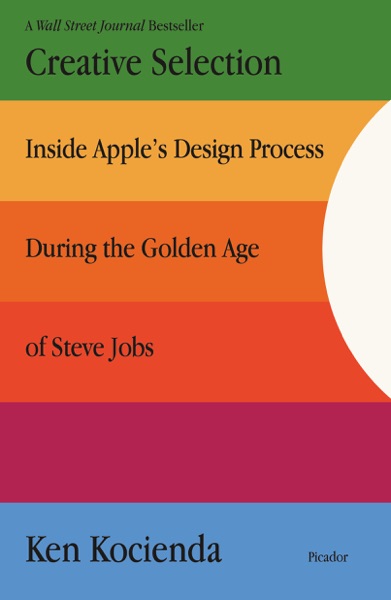
Read the summary → - Creative Selection
06
Ken Kocienda · Business
Creative Selection is Ken Kocienda's first-hand account of how software gets made at Apple during the period when the iPhone and iPad were born.
Both dig into design.
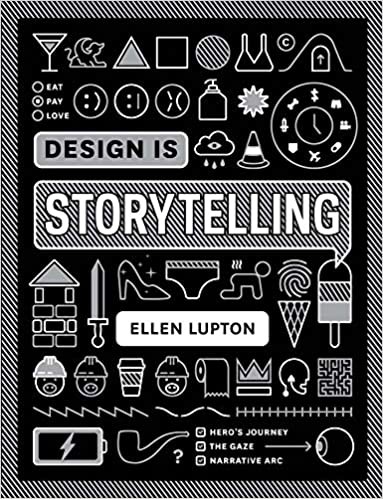
Read the summary → - Design Is Storytelling
07
Ellen Lupton · Self-help
Design Is Storytelling is Ellen Lupton's compact guide to narrative thinking as a design skill.
Both dig into design.
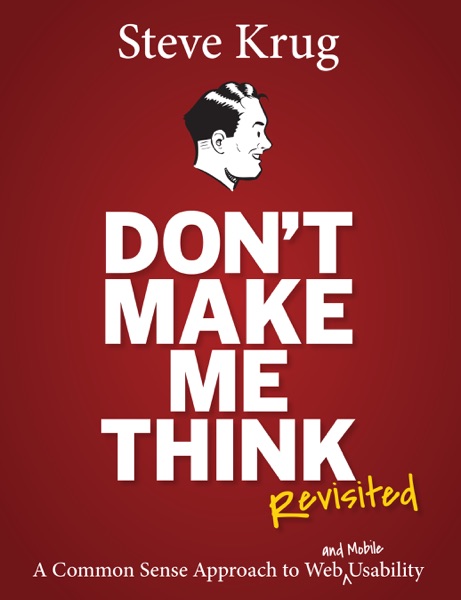
Read the summary → - Don't Make Me Think
08
Steve Krug · Business
Don't Make Me Think is Steve Krug's short, plainspoken guide to web usability.
Both dig into usability.
Read the summary → - How Buildings Learn
09
Stewart Brand · Science
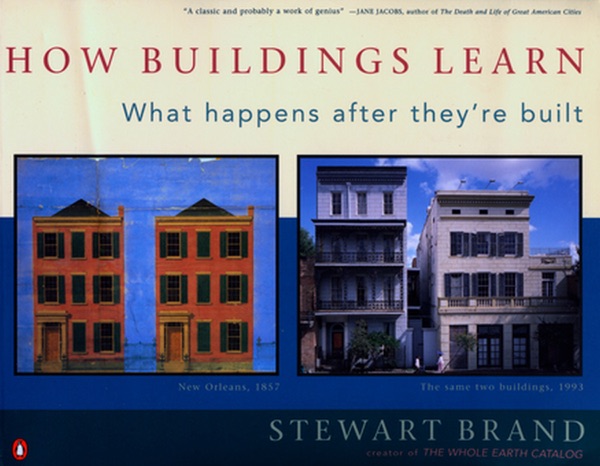
How Buildings Learn is Stewart Brand's argument that buildings are not finished products but ongoing processes — and that the buildings most valued over time are those designed to change gracefully rather than resist change defensively.
Both dig into design.
Read the summary → - The Elements of Typographic Style
10
The Elements of Typographic Style
Robert Bringhurst · Science
The Elements of Typographic Style is Robert Bringhurst's comprehensive treatment of typography as both craft and art.
Both dig into design.
Read the summary → - The Language of Things
11
Deyan Sudjic · Philosophy
The Language of Things is Deyan Sudjic's examination of how designed objects communicate — not just what they are functionally, but what they say about identity, desire, status, and culture.
Both dig into design.
Read the summary → - The Timeless Way of Building

12
Christopher Alexander · Philosophy
Christopher Alexander's The Timeless Way of Building is a strange and ambitious book.
Both dig into design.
Read the summary →
Books like The Design of Everyday Things: quick answers
What are the best books like The Design of Everyday Things?
The best books like The Design of Everyday Things by Donald Norman are Thinking, Fast and Slow by Daniel Kahneman, Blink: The Power of Thinking Without Thinking by Malcolm Gladwell, Hooked: How to Build Habit-Forming Products by Nir Eyal, Indistractable: How to Control Your Attention and Choose Your Life by Nir Eyal, Cradle to Cradle: Remaking the Way We Make Things by William McDonough & Michael Braungart, plus 7 more below. Each was chosen for themes it shares with The Design of Everyday Things, such as design, human-centered thinking, cognitive psychology.
What should I read after The Design of Everyday Things?
A natural next read after The Design of Everyday Things is Thinking, Fast and Slow by Daniel Kahneman. A kindred psychology read. Other strong choices are Blink: The Power of Thinking Without Thinking by Malcolm Gladwell, Hooked: How to Build Habit-Forming Products by Nir Eyal, Indistractable: How to Control Your Attention and Choose Your Life by Nir Eyal.
What books are similar to The Design of Everyday Things by Donald Norman?
The Design of Everyday Things centers on design, human-centered thinking, cognitive psychology. Books with a similar feel include Thinking, Fast and Slow by Daniel Kahneman, Blink: The Power of Thinking Without Thinking by Malcolm Gladwell, Hooked: How to Build Habit-Forming Products by Nir Eyal, Indistractable: How to Control Your Attention and Choose Your Life by Nir Eyal, Cradle to Cradle: Remaking the Way We Make Things by William McDonough & Michael Braungart, Creative Selection by Ken Kocienda — all free to read and chat with on Superbook.
