
Reading list · 15 books
Ray Dalio's reading list
Ray Dalio founded Bridgewater Associates in 1975 and built it into the world's largest hedge fund. He is the author of Principles, Principles for Navigating Big Debt Crises, and The Changing World Order. His reading taste is shaped by a lifelong effort to understand how economies, empires, and institutions rise and fall — he reads history the way an engineer reads a manual, looking for cause-and-effect mechanisms he can stress-test against the present.
-
01
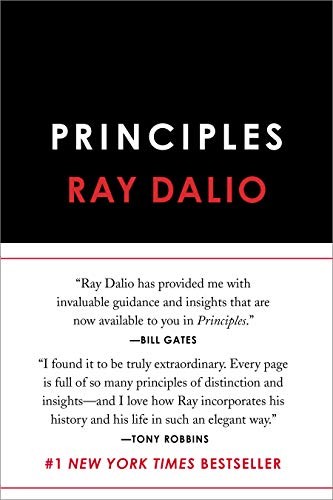
Ray Dalio
Dalio's own synthesis of 40 years of pattern-recognition at Bridgewater. He describes it as the operating manual he wishes he'd had at 25 — a set of tested rules for decision-making under uncertainty, drawn from his own mistakes as much as his successes.
-
02
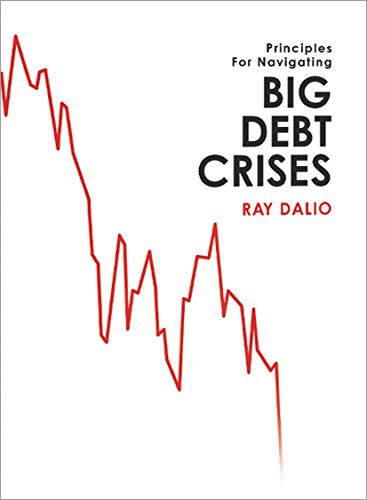
Principles for Navigating Big Debt Crises
Ray Dalio
A companion to his macro work, this book dissects 48 historical debt crises to extract the common template. Dalio recommends it as the reference for understanding why credit booms end the way they do and what policy tools are — and are not — available.
-
03
The Decline and Fall of the Roman Empire
Edward Gibbon
Gibbon remains one of Dalio's touchstones for studying imperial overextension. He cites Rome repeatedly in The Changing World Order as a template for how reserve-currency empires exhaust themselves through military spending, debasement, and internal polarization.
-
Read these with Superbook
Chat with any book on this list — ask questions, get answers tuned to you.
-
04
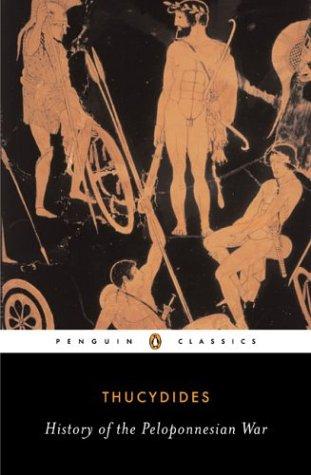
History of the Peloponnesian War
Thucydides
Thucydides on the Athenian-Spartan conflict is for Dalio a case study in what he calls the 'Thucydides trap' — the structural tension between a rising power and a dominant one. He references it in discussions of the US-China relationship.
-
05
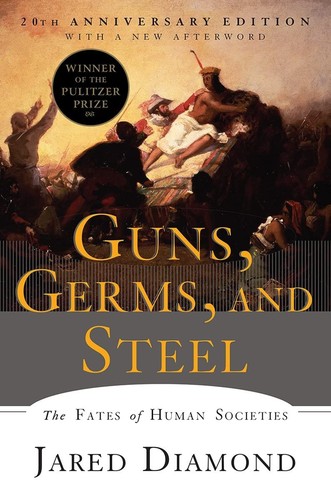
Jared Diamond
Diamond's argument about why civilizations diverged shapes Dalio's thinking on the deep determinants of national wealth. He values books that explain macro outcomes through structural rather than individual causes, and this is the canonical example.
-
06
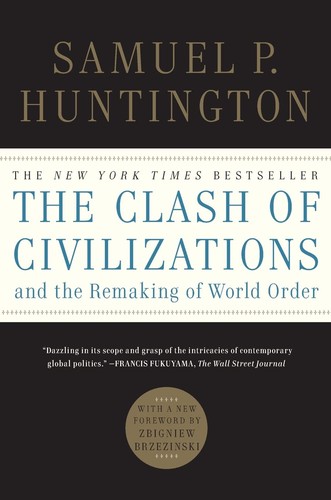
The Clash of Civilizations and the Remaking of World Order
Samuel P. Huntington
Huntington's civilizational framework is one Dalio has cited as useful for thinking about the current world order — not as prediction but as a way to map the fault lines along which great-power competition tends to run.
-
07
Why Nations Fail: The Origins of Power, Prosperity, and Poverty
Daron Acemoglu and James A. Robinson
Acemoglu and Robinson on inclusive versus extractive institutions provides the political-economy lens Dalio applies when assessing country risk. He sees institutional quality as one of the key variables in his 'big cycle' model of national rise and decline.
-
08
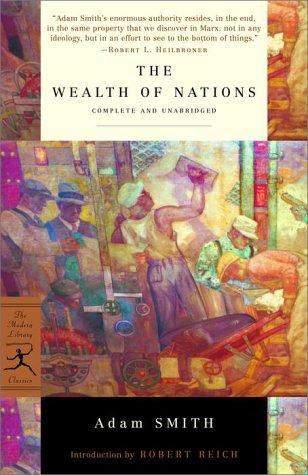
Adam Smith
Smith's foundational account of how free markets generate prosperity is in Dalio's background reading for understanding what conditions produce long economic expansions. He returns to it as a baseline against which mercantilist and nationalist deviations stand out.
- das-kapital
09
das-kapital
Dalio has said he reads Marx not as a political prescription but as an economic diagnostician — specifically for Marx's analysis of capital concentration and the conditions under which wealth inequality becomes politically destabilizing. He treats it as a risk factor to monitor.
-
10
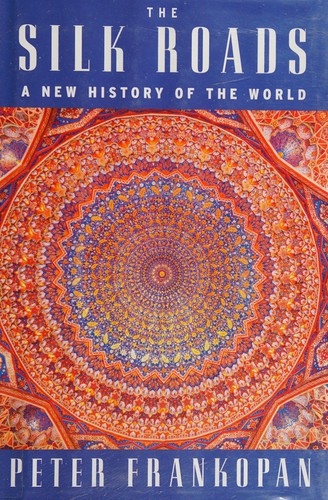
The Silk Roads: A New History of the World
Peter Frankopan
Frankopan's history of trade routes and the civilizations that competed along them maps the geographic logic of Eurasian power that Dalio applies to his China analysis. The book reframes European history as a temporary anomaly in a longer story centered on Asia.
-
11
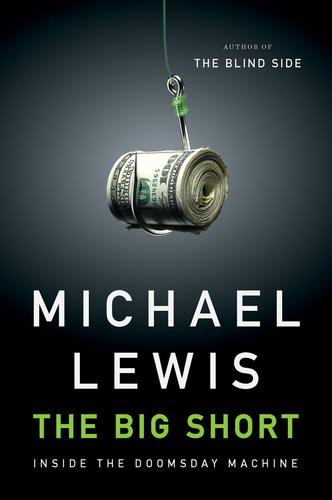
The Big Short: Inside the Doomsday Machine
Michael Lewis
Lewis's account of the 2008 crisis is one Dalio has recommended for understanding how institutional incentives and information failures compound into systemic collapse. He cites 2008 as one of the debt-cycle templates in his own research.
-
12
Roger Lowenstein
Lowenstein's account of LTCM's collapse is a recurring reference in Dalio's discussions of leverage and tail risk. He uses it to illustrate how models that work almost all the time can destroy everything they touch in the rare moments they don't.
-
13
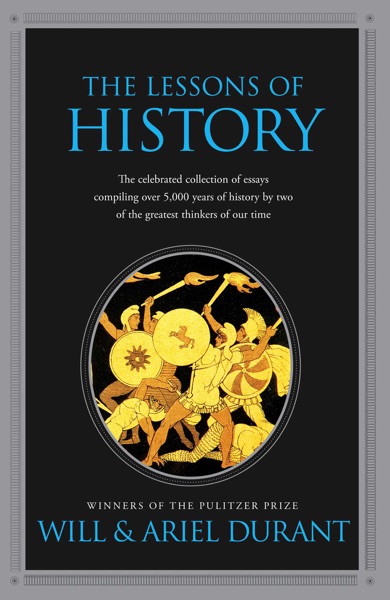
Will & Ariel Durant
Dalio cites this slim volume — the Durants' distillation of their 11-volume Story of Civilization — more than almost any other book. He values its compression of historical patterns into testable propositions about inequality, war, and the limits of reform.
-
14
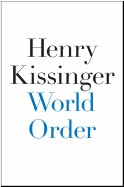
Henry Kissinger
Kissinger's account of the Westphalian system and its modern fractures informs Dalio's geopolitical framing. He has discussed Kissinger's view that great-power stability requires shared legitimacy, not just balance of force, as directly relevant to the current moment.
-
15
Political Order and Political Decay
Francis Fukuyama
Fukuyama's second volume — on how institutions degrade through interest-group capture — is the book Dalio references when discussing the internal pressures on democratic systems. He sees institutional decay as a leading indicator in his big-cycle model.
More on Ray Dalio's picks
Dalio has described his reading practice in interviews, on LinkedIn, and in the bibliographies of his own books. The common thread is what he calls 'timeless and universal' patterns: debt cycles, reserve currency transitions, the internal decay of democracies, the mechanics of war. He gravitates toward books that span centuries rather than decades — classical historians like Thucydides alongside modern economic historians like Charles Kindleberger.
The list below is assembled from Bridgewater's published reading recommendations, Dalio's LinkedIn posts, references embedded in The Changing World Order, and interviews with institutions like the Council on Foreign Relations. It follows the arc his own thinking takes: from foundational texts on how markets and debt work, through the deep history of empire, to the geopolitical analysis he applies to the present US-China transition.
