Science · Similar reads
Books like Subtract: The Untapped Science of Less
The best books like Subtract: The Untapped Science of Less are Essentialism: The Disciplined Pursuit of Less, Deep Work, and Four Thousand Weeks: Time Management for Mortals. Subtract: The Untapped Science of Less by Leidy Klotz is about subtraction, cognitive bias, problem-solving. If that's what drew you in, here are 12 books that share its DNA — each summarized on Superbook, and ready to chat with in the app.
- Essentialism: The Disciplined Pursuit of Less
01
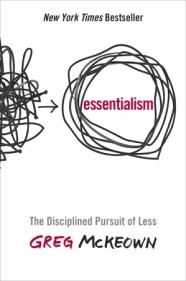
Essentialism: The Disciplined Pursuit of Less
Greg McKeown · Self-help
Essentialism is Greg McKeown's argument that the way most people approach work and life — saying yes to almost everything — is a slow form of defeat.
Both dig into simplicity.
Read the summary → - Deep Work
02
Cal Newport · Self-help
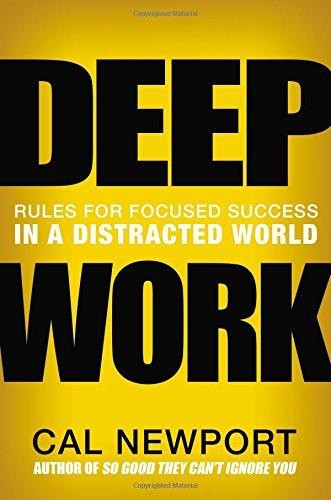
Deep Work is Cal Newport's case that the ability to focus without distraction on a cognitively demanding task is becoming both rarer and more valuable, and that people who cultivate it will thrive while everyone else stays stuck in shallow busywork.
A kindred science read.
Read the summary → - Four Thousand Weeks: Time Management for Mortals
03
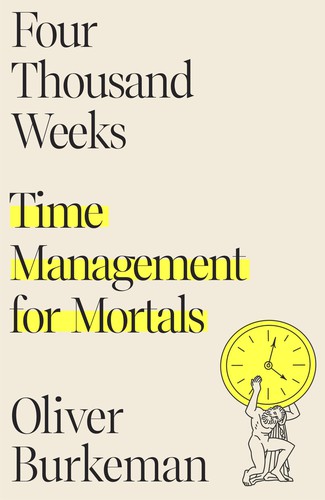
Four Thousand Weeks: Time Management for Mortals
Oliver Burkeman · Self-help
Four Thousand Weeks is Oliver Burkeman's philosophical attack on the entire project of time management as it is usually practiced.
A kindred science read.
Read the summary →
- Thinking, Fast and Slow
04
Daniel Kahneman · Psychology
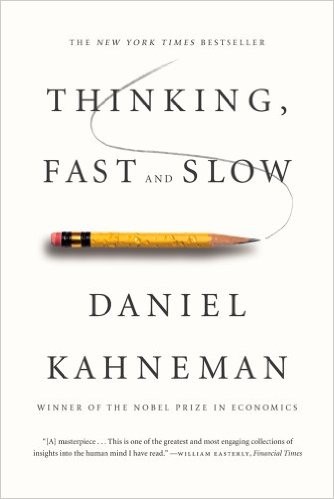
Thinking, Fast and Slow is Daniel Kahneman's account of the two cognitive systems that govern human thought.
Both dig into cognitive bias.
Read the summary → - The Art of Doing Science and Engineering
05
The Art of Doing Science and Engineering
Richard Hamming · Science
Richard Hamming's book is based on a course he taught at the Naval Postgraduate School in the late 1980s, after a long career at Bell Labs where he made foundational contributions to information theory and computer science — the Hamming distance, Hamming codes, and various contributions to numerical methods all bear his name.
Shares problem-solving and creativity with Subtract: The Untapped Science of Less.
Read the summary → - Making Music: 74 Creative Strategies for Electronic Music Producers
06
Making Music: 74 Creative Strategies for Electronic Music Producers
Dennis DeSantis · Self-help
Making Music is Dennis DeSantis's catalog of seventy-four specific problems that electronic music producers encounter, paired with concrete strategies for addressing each one.
Shares problem-solving and creativity with Subtract: The Untapped Science of Less.
Read the summary → - Hackers: Heroes of the Computer Revolution
07
Hackers: Heroes of the Computer Revolution
Steven Levy · Science
Hackers: Heroes of the Computer Revolution is Steven Levy's account of the community of computer enthusiasts who drove the digital revolution from the late 1950s through the early 1980s — the original hackers of MIT's Tech Model Railroad Club and later AI lab, the hardware hackers of the Bay Area Homebrew Computer Club, and the software entrepreneurs who built the early PC industry.
Both dig into creativity.
Read the summary → - Range: Why Generalists Triumph in a Specialized World
08
Range: Why Generalists Triumph in a Specialized World
David Epstein · Science
Range is David Epstein's argument against the ten-thousand-hours gospel.
Both dig into creativity.
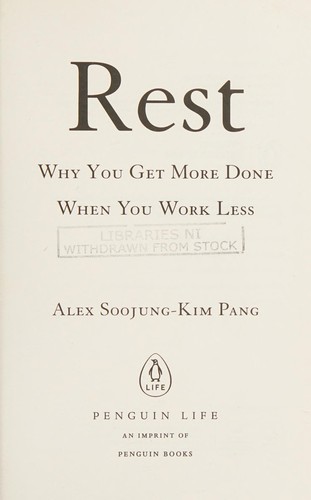
Read the summary → - Rest: Why You Get More Done When You Work Less
09
Rest: Why You Get More Done When You Work Less
Alex Soojung-Kim Pang · Science
Rest makes a case that most of what we think of as productive work is actually counterproductive when pushed past certain thresholds, and that deliberate, well-structured rest is not the opposite of work but a necessary component of it.
Both dig into creativity.
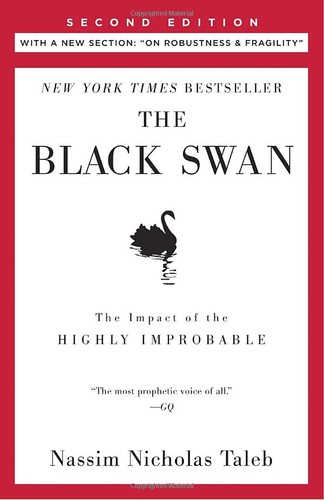
Read the summary → - The Black Swan: The Impact of the Highly Improbable
10
The Black Swan: The Impact of the Highly Improbable
Nassim Nicholas Taleb · Science
The Black Swan is Nassim Nicholas Taleb's argument that the most consequential events in history — financial crashes, technological breakthroughs, wars, pandemics — are not predictable outliers but structurally unpredictable ones.
Both dig into cognitive bias.
Read the summary → - A Wealth of Common Sense
11
Ben Carlson · Economics
A Wealth of Common Sense is Ben Carlson's argument that individual investors outperform most professionals not by being smarter but by doing fewer things and making fewer mistakes.
Both dig into simplicity.
Read the summary → - Anything You Want
12
Derek Sivers · Business
Anything You Want is Derek Sivers' account of building, running, and eventually selling CD Baby, the independent musician distribution company he founded accidentally in 1998 when a few friends asked him to sell their CDs online.
Both dig into simplicity.
Read the summary →
Books like Subtract: The Untapped Science of Less: quick answers
What are the best books like Subtract: The Untapped Science of Less?
The best books like Subtract: The Untapped Science of Less by Leidy Klotz are Essentialism: The Disciplined Pursuit of Less by Greg McKeown, Deep Work by Cal Newport, Four Thousand Weeks: Time Management for Mortals by Oliver Burkeman, Thinking, Fast and Slow by Daniel Kahneman, The Art of Doing Science and Engineering by Richard Hamming, plus 7 more below. Each was chosen for themes it shares with Subtract: The Untapped Science of Less, such as subtraction, cognitive bias, problem-solving.
What should I read after Subtract: The Untapped Science of Less?
A natural next read after Subtract: The Untapped Science of Less is Essentialism: The Disciplined Pursuit of Less by Greg McKeown. Both dig into simplicity. Other strong choices are Deep Work by Cal Newport, Four Thousand Weeks: Time Management for Mortals by Oliver Burkeman, Thinking, Fast and Slow by Daniel Kahneman.
What books are similar to Subtract: The Untapped Science of Less by Leidy Klotz?
Subtract: The Untapped Science of Less centers on subtraction, cognitive bias, problem-solving. Books with a similar feel include Essentialism: The Disciplined Pursuit of Less by Greg McKeown, Deep Work by Cal Newport, Four Thousand Weeks: Time Management for Mortals by Oliver Burkeman, Thinking, Fast and Slow by Daniel Kahneman, The Art of Doing Science and Engineering by Richard Hamming, Making Music: 74 Creative Strategies for Electronic Music Producers by Dennis DeSantis — all free to read and chat with on Superbook.
