Business · Similar reads
Books like What I Learned Losing a Million Dollars
The best books like What I Learned Losing a Million Dollars are Thinking, Fast and Slow, Thinking in Bets: Making Smarter Decisions When You Don't Have All the Facts, and The Psychology of Money. What I Learned Losing a Million Dollars by Jim Paul is about trading psychology, loss, risk management. If that's what drew you in, here are 12 books that share its DNA — each summarized on Superbook, and ready to chat with in the app.
- Thinking, Fast and Slow
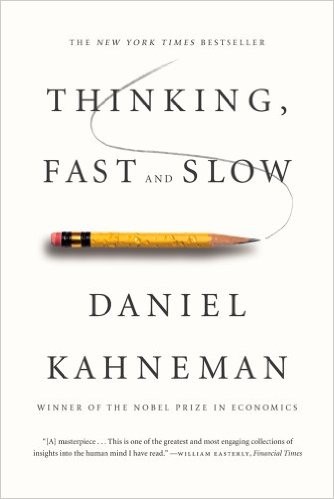
01
Daniel Kahneman · Psychology
Thinking, Fast and Slow is Daniel Kahneman's account of the two cognitive systems that govern human thought.
Both dig into decision-making.
Read the summary → - Thinking in Bets: Making Smarter Decisions When You Don't Have All the Facts
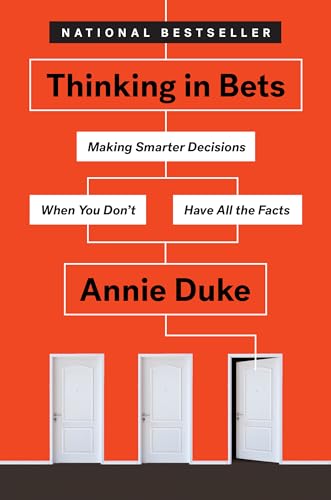
02
Thinking in Bets: Making Smarter Decisions When You Don't Have All the Facts
Annie Duke · Psychology
Thinking in Bets is Annie Duke's argument that most decisions in life share a fundamental feature with poker hands: you're choosing under uncertainty, with incomplete information, and luck will affect the outcome regardless of how well you reasoned.
Both dig into decision-making.
Read the summary → - The Psychology of Money
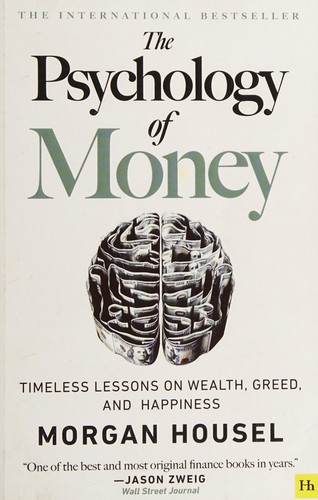
03
Morgan Housel · Economics
The Psychology of Money is Morgan Housel's argument that financial success depends less on technical knowledge than on behavior — specifically, on understanding how your personal history, emotions, and cognitive biases shape every financial decision you make.
A kindred business read.
Read the summary →
- Reminiscences of a Stock Operator
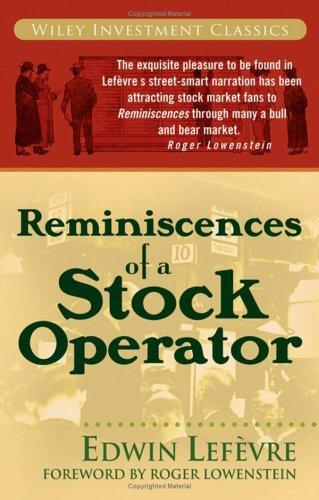
04
Reminiscences of a Stock Operator
Edwin Lefèvre · Biography
Reminiscences of a Stock Operator is a fictionalized biography of Jesse Livermore, the most famous speculator of the early twentieth century, told through the voice of "Larry Livingston." First published in 1923 as a series in the Saturday Evening Post, the book follows Livermore from his teenage years trading in bucket shops — illegal off-exchange betting parlors where customers wagered on price movements — through his multiple fortunes and bankruptcies on Wall Street.
Both dig into trading psychology.
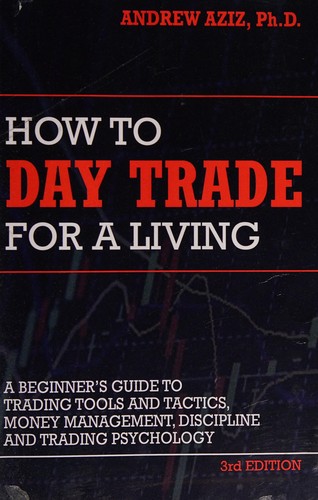
Read the summary → - How to Day Trade for a Living
05
Andrew Aziz · Business
How to Day Trade for a Living is Andrew Aziz's introduction to active stock trading for people who want to treat it as a craft rather than a gamble.
Shares trading psychology and risk management with What I Learned Losing a Million Dollars.
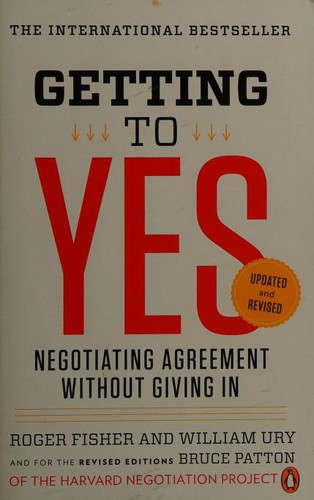
Read the summary → - Getting to Yes: Negotiating Agreement Without Giving In
06
Getting to Yes: Negotiating Agreement Without Giving In
Roger Fisher and William Ury · Business
Getting to Yes emerged from the Harvard Negotiation Project in the late 1970s and laid out a method its authors called principled negotiation.
Both dig into decision-making.
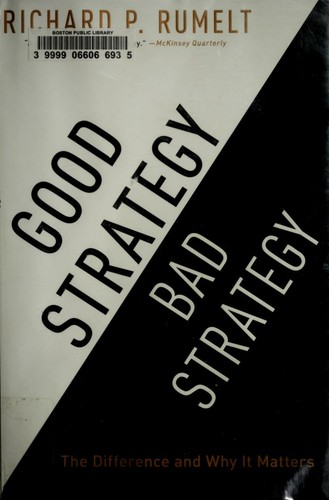
Read the summary → - Good Strategy Bad Strategy
07
Richard Rumelt · Business
Good Strategy Bad Strategy is Richard Rumelt's indictment of the strategic planning process as it is practiced in most organizations, and his articulation of what genuine strategy actually requires.
Both dig into decision-making.
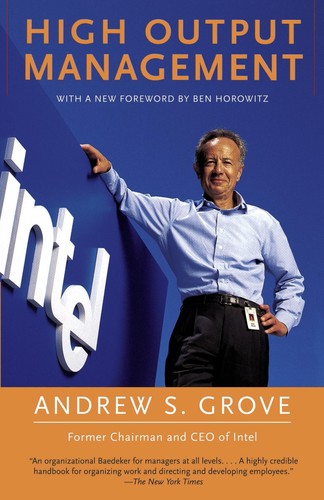
Read the summary → - High Output Management
08
Andrew S. Grove · Business
High Output Management is Andrew Grove's manual for how managers at any level should think about their work.
Both dig into decision-making.
Read the summary → - Leadership Is Language
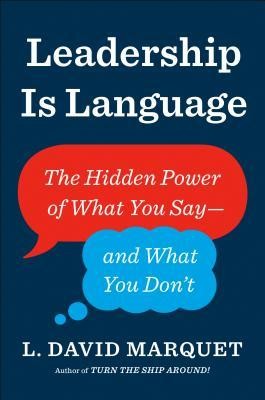
09
L. David Marquet · Business
Leadership Is Language is L.
Both dig into decision-making.
Read the summary → - Leading
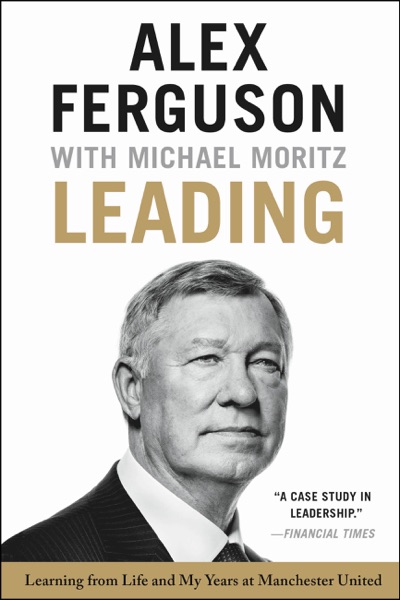
10
Alex Ferguson & Michael Moritz · Business
Leading is Sir Alex Ferguson's account of what he learned managing Manchester United for twenty-seven years, written with Silicon Valley investor Michael Moritz.
Both dig into decision-making.
Read the summary → - Market Wizards
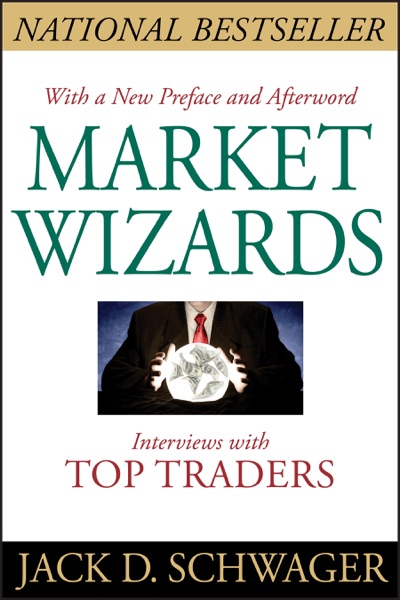
11
Jack D. Schwager · Business
Market Wizards is Jack Schwager's collection of interviews with some of the most successful traders of the 1970s and 1980s — Michael Marcus, Bruce Kovner, Richard Dennis, Paul Tudor Jones, and others who generated extraordinary returns over extended periods in futures, currencies, and equities.
Both dig into risk management.
Read the summary → - Mindful Leadership
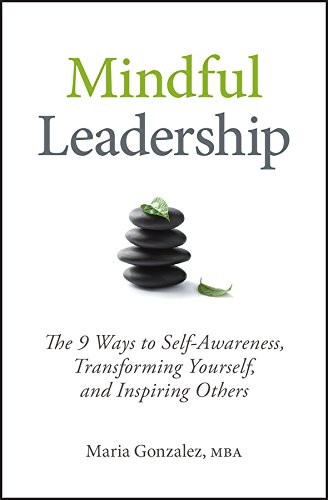
12
Maria Gonzalez · Business
Mindful Leadership is Maria Gonzalez's argument that mindfulness practice is not a wellness accessory for leaders but a core performance tool.
Both dig into decision-making.
Read the summary →
Books like What I Learned Losing a Million Dollars: quick answers
What are the best books like What I Learned Losing a Million Dollars?
The best books like What I Learned Losing a Million Dollars by Jim Paul are Thinking, Fast and Slow by Daniel Kahneman, Thinking in Bets: Making Smarter Decisions When You Don't Have All the Facts by Annie Duke, The Psychology of Money by Morgan Housel, Reminiscences of a Stock Operator by Edwin Lefèvre, How to Day Trade for a Living by Andrew Aziz, plus 7 more below. Each was chosen for themes it shares with What I Learned Losing a Million Dollars, such as trading psychology, loss, risk management.
What should I read after What I Learned Losing a Million Dollars?
A natural next read after What I Learned Losing a Million Dollars is Thinking, Fast and Slow by Daniel Kahneman. Both dig into decision-making. Other strong choices are Thinking in Bets: Making Smarter Decisions When You Don't Have All the Facts by Annie Duke, The Psychology of Money by Morgan Housel, Reminiscences of a Stock Operator by Edwin Lefèvre.
What books are similar to What I Learned Losing a Million Dollars by Jim Paul?
What I Learned Losing a Million Dollars centers on trading psychology, loss, risk management. Books with a similar feel include Thinking, Fast and Slow by Daniel Kahneman, Thinking in Bets: Making Smarter Decisions When You Don't Have All the Facts by Annie Duke, The Psychology of Money by Morgan Housel, Reminiscences of a Stock Operator by Edwin Lefèvre, How to Day Trade for a Living by Andrew Aziz, Getting to Yes: Negotiating Agreement Without Giving In by Roger Fisher and William Ury — all free to read and chat with on Superbook.
