Business · Similar reads
Books like Getting to Yes: Negotiating Agreement Without Giving In
The best books like Getting to Yes: Negotiating Agreement Without Giving In are Never Split the Difference, Influence: The Psychology of Persuasion, and Crucial Conversations: Tools for Talking When Stakes Are High. Getting to Yes: Negotiating Agreement Without Giving In by Roger Fisher and William Ury is about negotiation, conflict resolution, communication. If that's what drew you in, here are 12 books that share its DNA — each summarized on Superbook, and ready to chat with in the app.
- Never Split the Difference
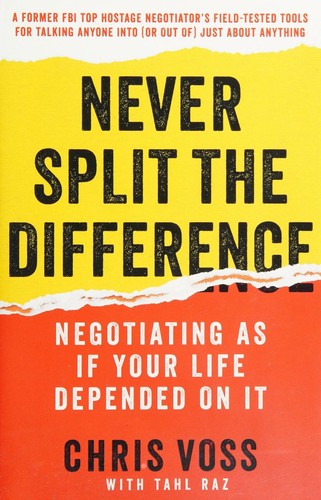
01
Chris Voss · Business
Never Split the Difference is Chris Voss's argument that the rational, compromise-based negotiation frameworks taught in business schools miss something fundamental about how people actually make decisions.
Shares negotiation and communication with Getting to Yes: Negotiating Agreement Without Giving In.
Read the summary → - Influence: The Psychology of Persuasion
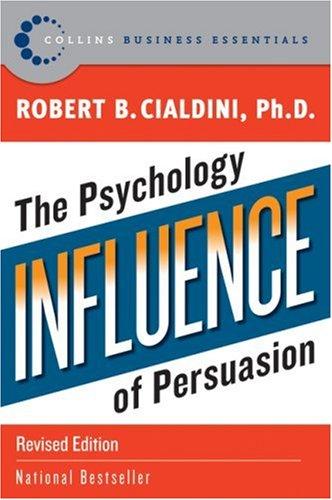
02
Influence: The Psychology of Persuasion
Robert B. Cialdini · Psychology
Influence is Robert Cialdini's account of why people say yes, and how that agreement is manufactured.
Both dig into decision-making.
Read the summary → - Crucial Conversations: Tools for Talking When Stakes Are High
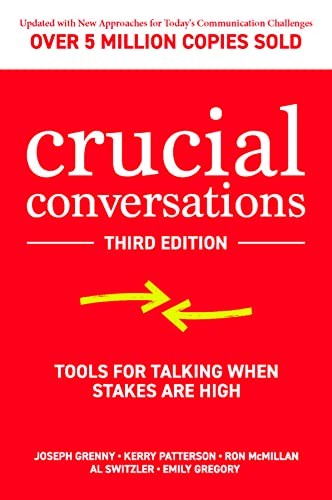
03
Crucial Conversations: Tools for Talking When Stakes Are High
Kerry Patterson, Joseph Grenny, Ron McMillan, and Al Switzler · Self-help
Crucial Conversations is a book about what to do when the stakes are high, emotions run strong, and opinions diverge.
Both dig into communication.
Read the summary →
- How to Win Friends and Influence People
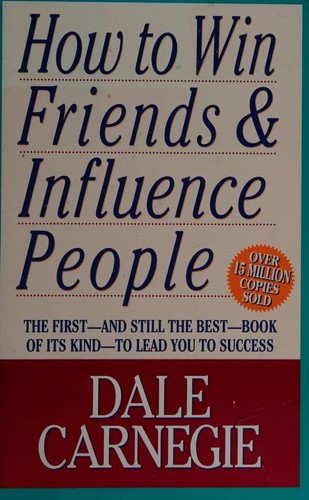
04
How to Win Friends and Influence People
Dale Carnegie · Self-help
How to Win Friends and Influence People is Dale Carnegie's 1936 guide to dealing with people effectively.
Both dig into communication.
Read the summary → - Leadership Is Language
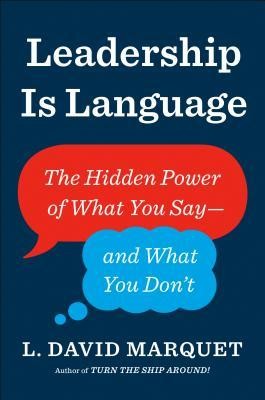
05
L. David Marquet · Business
Leadership Is Language is L.
Shares communication and decision-making with Getting to Yes: Negotiating Agreement Without Giving In.
Read the summary → - Negotiating the Impossible
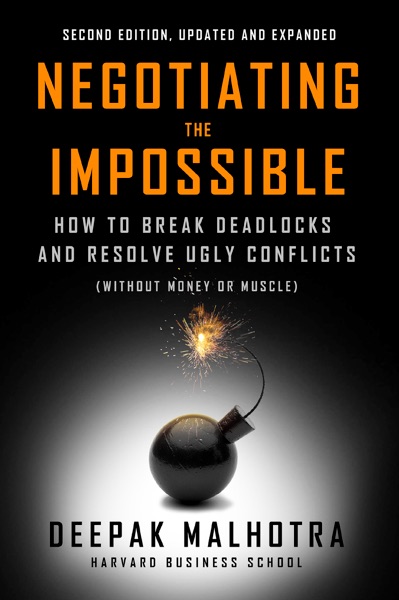
06
Deepak Malhotra · Business
Deepak Malhotra is a professor at Harvard Business School who has spent decades studying how people resolve conflicts that appear completely intractable.
Shares negotiation and conflict resolution with Getting to Yes: Negotiating Agreement Without Giving In.
Read the summary → - You Can Negotiate Anything
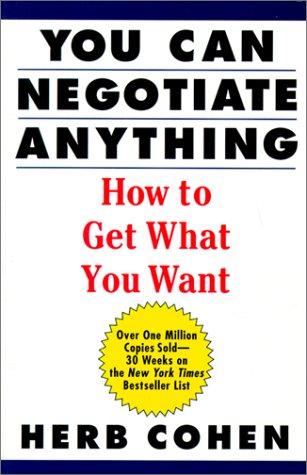
07
Herb Cohen · Business
You Can Negotiate Anything is Herb Cohen's argument that negotiation is not a special skill reserved for diplomats and dealmakers but a basic life competence exercised continuously — in salary conversations, purchases, relationships, and workplace conflicts.
Shares negotiation and communication with Getting to Yes: Negotiating Agreement Without Giving In.
Read the summary → - Nonviolent Communication
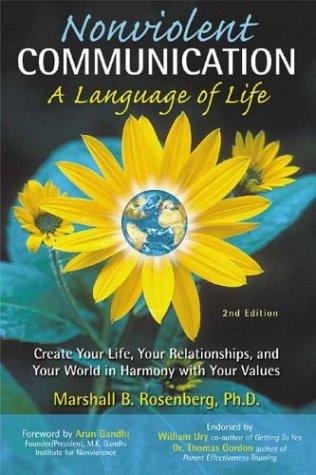
08
Marshall B. Rosenberg · Self-help
Nonviolent Communication is Marshall Rosenberg's framework for communicating in ways that preserve connection and address needs rather than triggering defensiveness.
Shares conflict resolution and communication with Getting to Yes: Negotiating Agreement Without Giving In.
Read the summary → - A World Without Email
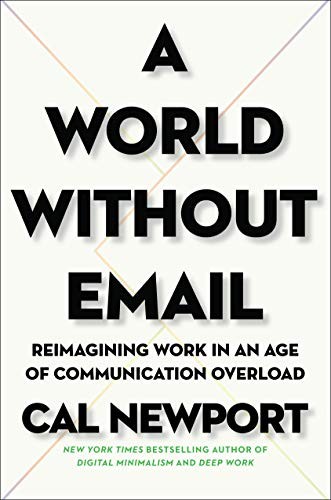
09
Cal Newport · Business
A World Without Email is Cal Newport's most targeted critique of modern knowledge work culture.
Both dig into communication.
Read the summary → - Co-Active Coaching
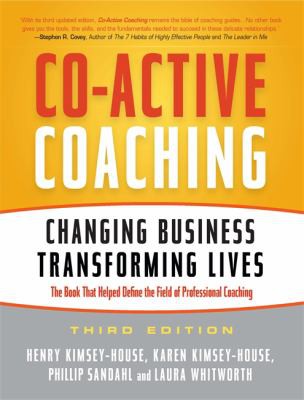
10
Henry Kimsey-House, Karen Kimsey-House, Phillip Sandahl, and Laura Whitworth · Business
Co-Active Coaching presents the model developed at the Coaches Training Institute (CTI), which has trained more professional coaches than any other organization in the world.
Both dig into communication.
Read the summary → - Crucial Accountability
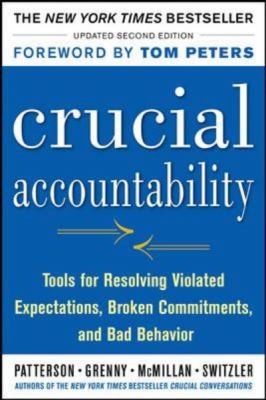
11
Kerry Patterson, Joseph Grenny, Ron McMillan, and Al Switzler · Business
Crucial Accountability is the sequel to Crucial Conversations, narrowing its focus from high-stakes dialogue to one specific problem: what to do when someone fails to meet an expectation.
Both dig into communication.
Read the summary → - Death by Meeting
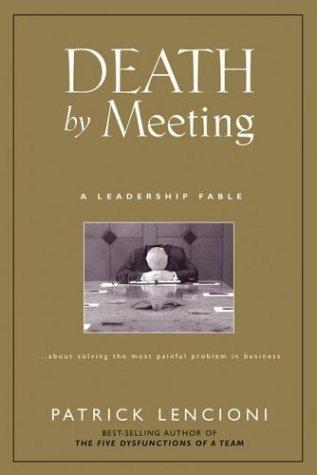
12
Patrick Lencioni · Business
Death by Meeting is Patrick Lencioni's diagnosis of one of the most universal corporate dysfunctions: meetings that are simultaneously painful and pointless.
Both dig into communication.
Read the summary →
Books like Getting to Yes: Negotiating Agreement Without Giving In: quick answers
What are the best books like Getting to Yes: Negotiating Agreement Without Giving In?
The best books like Getting to Yes: Negotiating Agreement Without Giving In by Roger Fisher and William Ury are Never Split the Difference by Chris Voss, Influence: The Psychology of Persuasion by Robert B. Cialdini, Crucial Conversations: Tools for Talking When Stakes Are High by Kerry Patterson, Joseph Grenny, Ron McMillan, and Al Switzler, How to Win Friends and Influence People by Dale Carnegie, Leadership Is Language by L. David Marquet, plus 7 more below. Each was chosen for themes it shares with Getting to Yes: Negotiating Agreement Without Giving In, such as negotiation, conflict resolution, communication.
What should I read after Getting to Yes: Negotiating Agreement Without Giving In?
A natural next read after Getting to Yes: Negotiating Agreement Without Giving In is Never Split the Difference by Chris Voss. Shares negotiation and communication with Getting to Yes: Negotiating Agreement Without Giving In. Other strong choices are Influence: The Psychology of Persuasion by Robert B. Cialdini, Crucial Conversations: Tools for Talking When Stakes Are High by Kerry Patterson, Joseph Grenny, Ron McMillan, and Al Switzler, How to Win Friends and Influence People by Dale Carnegie.
What books are similar to Getting to Yes: Negotiating Agreement Without Giving In by Roger Fisher and William Ury?
Getting to Yes: Negotiating Agreement Without Giving In centers on negotiation, conflict resolution, communication. Books with a similar feel include Never Split the Difference by Chris Voss, Influence: The Psychology of Persuasion by Robert B. Cialdini, Crucial Conversations: Tools for Talking When Stakes Are High by Kerry Patterson, Joseph Grenny, Ron McMillan, and Al Switzler, How to Win Friends and Influence People by Dale Carnegie, Leadership Is Language by L. David Marquet, Negotiating the Impossible by Deepak Malhotra — all free to read and chat with on Superbook.
