
Reading list · 15 books
Li Lu's reading list
Founder and chairman of Himalaya Capital, the investor Charlie Munger entrusted with much of his family's money and called a once-in-a-generation talent. A former Tiananmen student leader turned value investor, Li Lu is a famously broad reader who frames investing within civilization, history, and science.
-
01
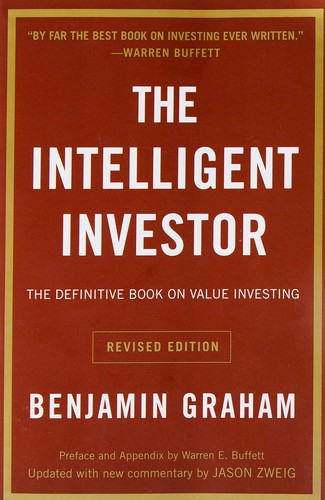
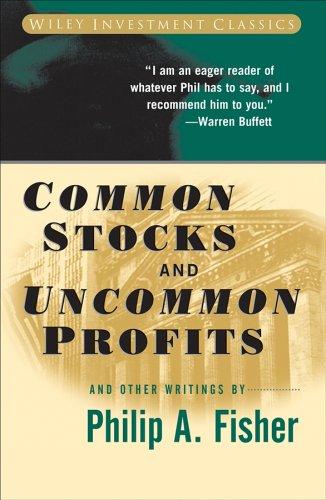
Benjamin Graham
Heads the value-investing section of Li Lu's Himalaya Capital reading list.
-
02
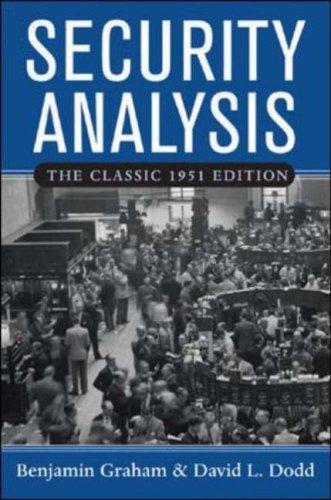
Benjamin Graham
Listed in the value-investing/finance section as a foundational text.
-
03
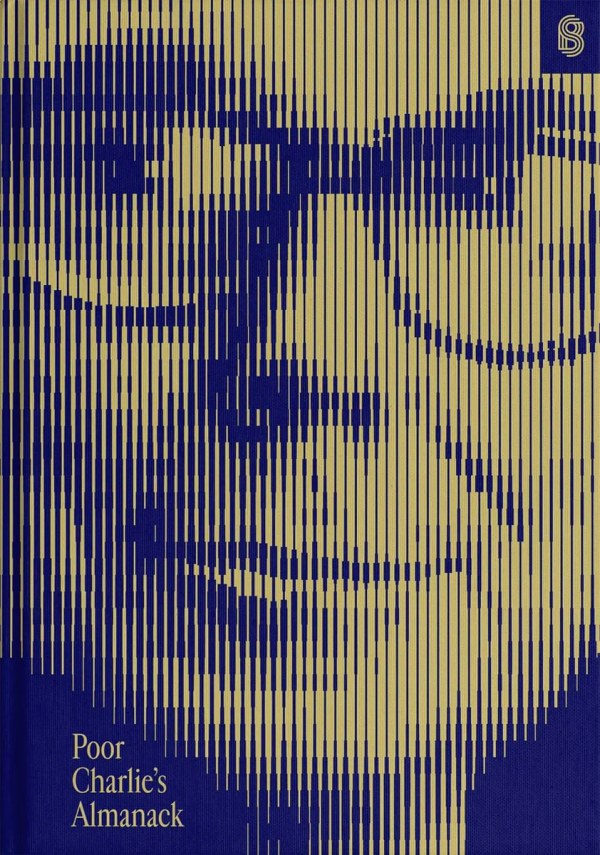
Charlie Munger
On Li Lu's list; he wrote the Chinese-edition introduction and is among Munger's closest disciples.
-
Read these with Superbook
Chat with any book on this list — ask questions, get answers tuned to you.
-
04
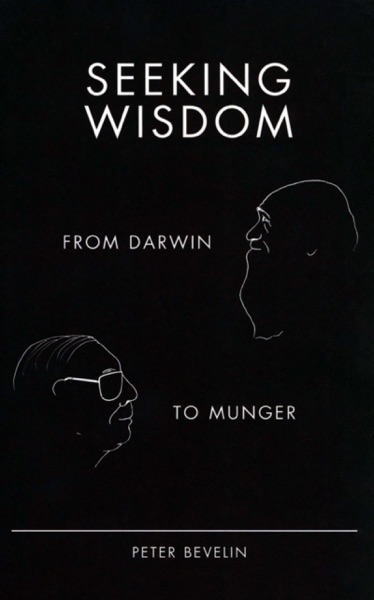
Seeking Wisdom: From Darwin to Munger
Peter Bevelin
Included in the value-investing/finance section.
-
06
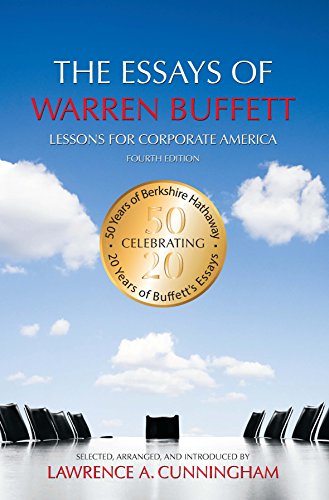
Warren Buffett
On the list (both the Cunningham collection and Buffett's own essays).
-
07
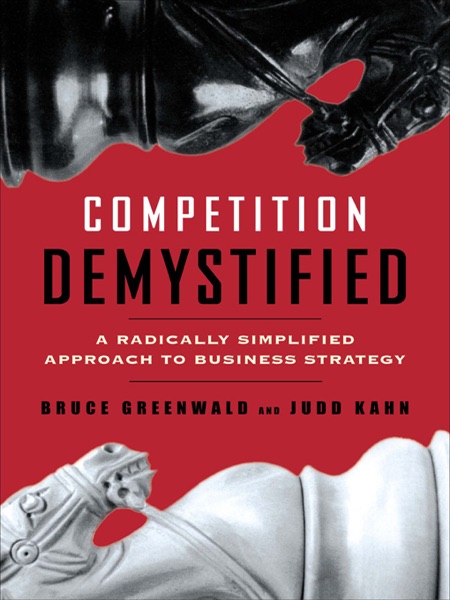
Bruce Greenwald and Judd Kahn
Listed; a strategy framework central to assessing competitive advantage.
-
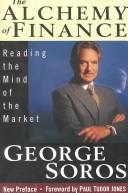
09
George Soros
Listed in the finance section. A recurring recommendation from Li Lu.
-
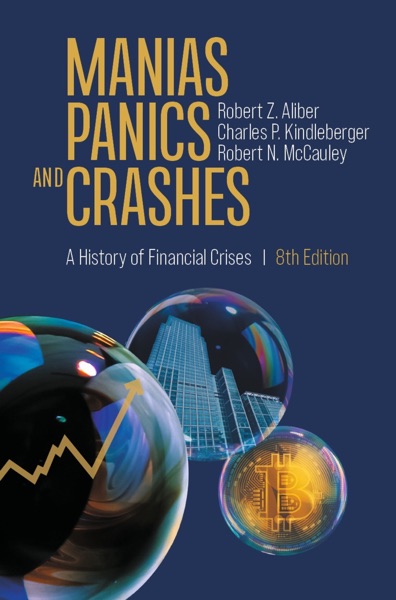
10
Charles P. Kindleberger
On the list as core financial-crisis history.
-
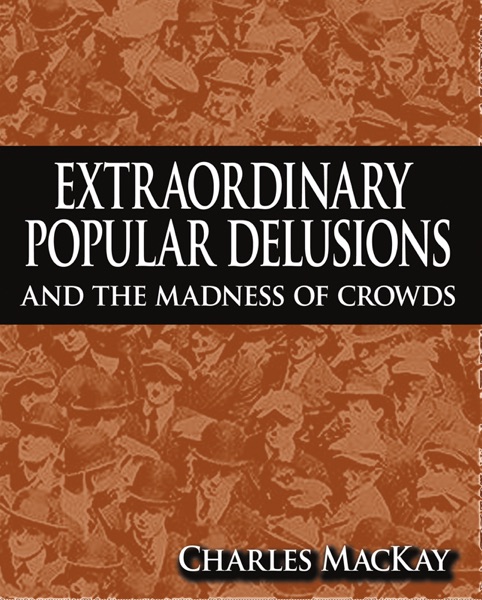
11
Extraordinary Popular Delusions and the Madness of Crowds
Charles Mackay
Listed among finance/markets reads on crowd psychology.
-
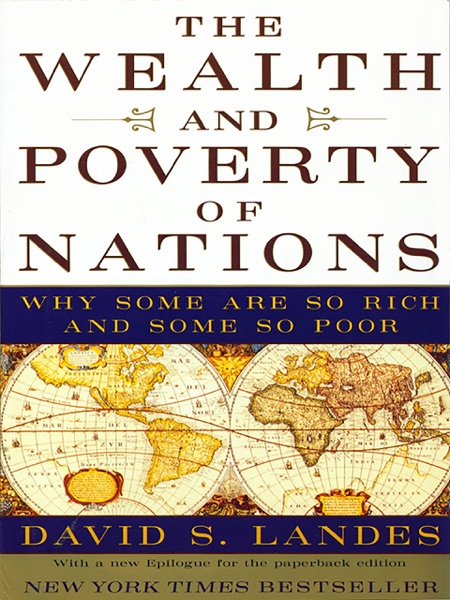
12
The Wealth and Poverty of Nations
David S. Landes
In Li Lu's capitalism/economics section on why some nations prosper.
-
13
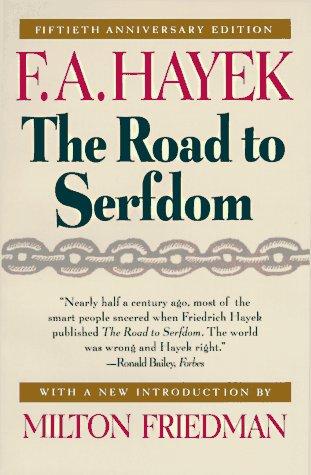
F. A. Hayek
Listed in the capitalism section. A recurring recommendation from Li Lu.
-
14
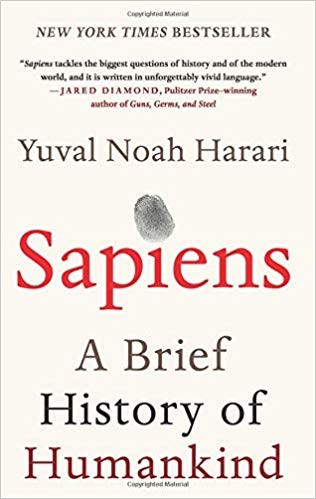
Sapiens: A Brief History of Humankind
Yuval Noah Harari
From the science/civilization section of his list.
More on Li Lu's picks
Himalaya Capital published Li Lu's recommended book list, organized into categories — value investing/finance/capitalism, Western and Chinese civilization, science and evolution, and biography. He has said you recognize good ideas "by reading a great deal," and his finance section is a Graham-Munger-Buffett spine extended into financial history and economics.
