
Reading list · 12 books
Mel Robbins's reading list
Mel Robbins is the host of the #1 globally ranked Mel Robbins Podcast, a former CNN legal analyst, and bestselling author of The 5 Second Rule and The Let Them Theory. She built her following by translating behavioral science into concrete daily tools — the 5-second countdown, the High-Five Habit — and recommends books that meet people where they are: no jargon, real research, immediate application.
-
01
Mindset: The New Psychology of Success
Carol S. Dweck
Robbins returns to Dweck repeatedly on the podcast, citing fixed vs. growth mindset as the single most practical framework for explaining why people stay stuck. She calls it the book she gives to anyone who says 'I'm just not that kind of person.'
-
02
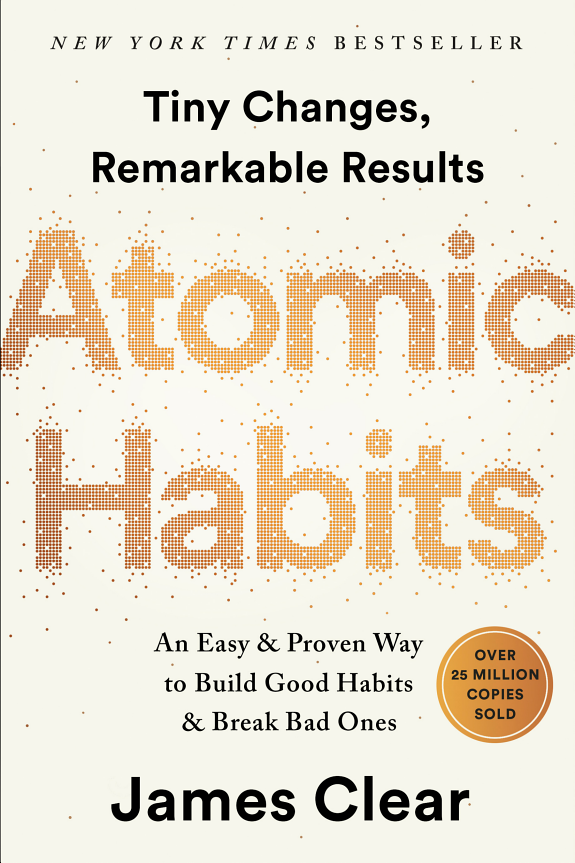
James Clear
Clear's system of 1% improvements maps directly onto the incremental daily action Robbins preaches. She recommends it as the operational counterpart to mindset work — knowing why you resist change is one thing; engineering your environment to sidestep resistance is another.
-
03
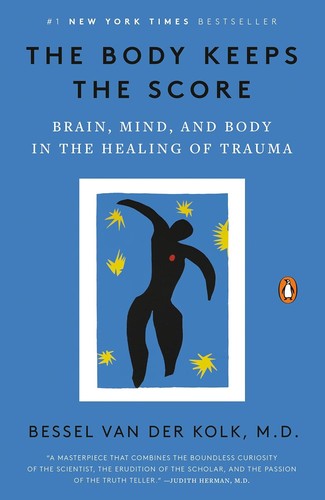
Bessel van der Kolk
On episodes about anxiety and emotional dysregulation, Robbins points to van der Kolk to explain why talking about a problem often isn't enough. The book reframes many of her listeners' struggles — procrastination, people-pleasing — as nervous-system responses rather than character flaws.
-
Read these with Superbook
Chat with any book on this list — ask questions, get answers tuned to you.
-
04
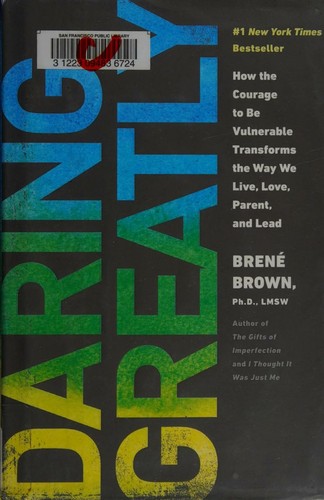
Brené Brown
Robbins and Brown share a lane: both built audiences around permission to be imperfect. Robbins recommends Daring Greatly specifically for listeners who equate vulnerability with weakness, noting Brown's research dismantles that story with data rather than inspiration.
-
05
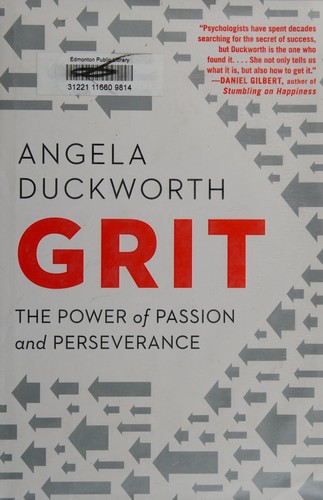
Grit: The Power of Passion and Perseverance
Angela Duckworth
Duckworth's research on sustained effort over talent is a frequent reference when Robbins addresses imposter syndrome and quitting too soon. She appreciates that Grit is built on longitudinal studies, not anecdote, which she says makes it harder for skeptical listeners to dismiss.
-
06
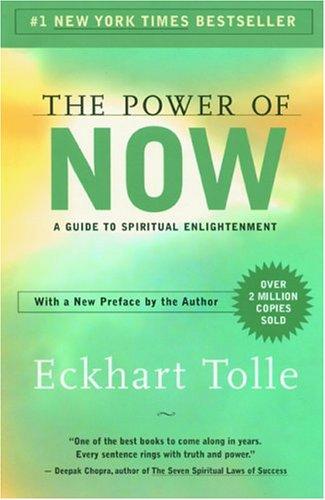
Eckhart Tolle
Robbins cites Tolle when addressing the mental chatter that makes the 5-second countdown hard to execute. The Power of Now provides the philosophical scaffolding — why the present moment is where agency lives — underneath her more behavioral approach.
-
07
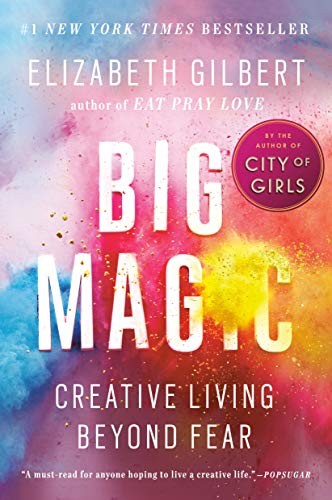
Elizabeth Gilbert
Gilbert's framing of creative fear as a hitchhiker rather than a gatekeeper resonates with Robbins's audience of people who've shelved a project or idea for years. Robbins recommends it for anyone who thinks they're not creative enough to pursue something meaningful.
-
08
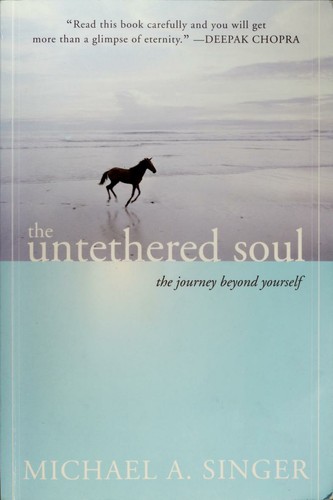
Michael A. Singer
Singer's account of the inner narrator — the voice that narrates everything and catastrophizes at will — gives Robbins's listeners a framework for understanding why the 5-second countdown works: it interrupts that voice before it can veto action. She recommends it alongside her own book.
-
09
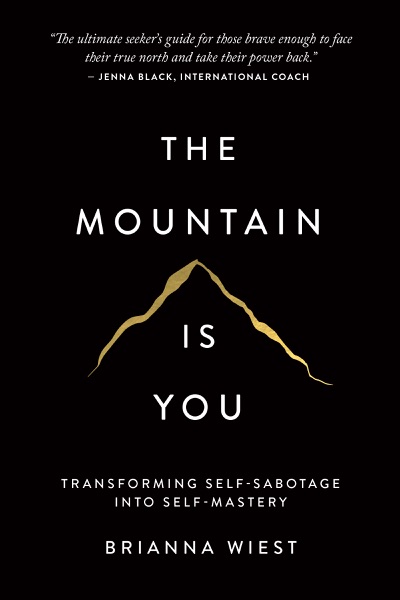
Brianna Wiest
Robbins has called this 'the book I wish I had at 30.' Wiest's core argument — that self-sabotage is usually protection, not laziness — gives the podcast's audience language for patterns Robbins addresses regularly: perfectionism, procrastination, chronic overthinking.
-
10
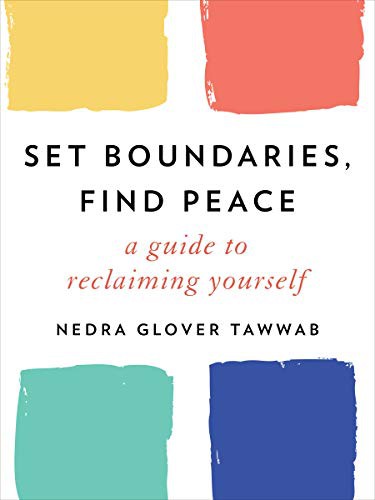
Nedra Glover Tawwab
Tawwab appeared on the Mel Robbins Podcast to discuss why boundary-setting feels aggressive to people who grew up in homes where it wasn't modeled. Robbins recommends the book as a practical guide rather than a philosophical one — it covers scripts, not just concepts.
-
11
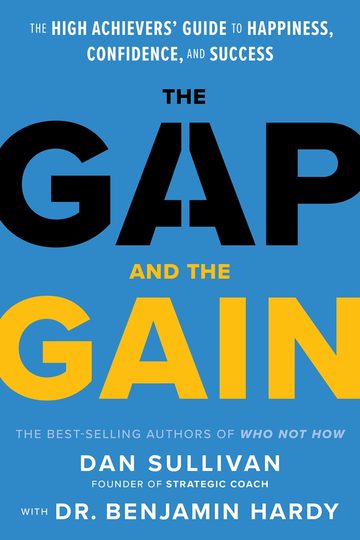
Dan Sullivan and Benjamin Hardy
Sullivan's distinction between measuring backward (the Gain) versus against an ideal (the Gap) is a tool Robbins uses on-air when guests describe feeling behind. The book reframes progress in a way that aligns with her emphasis on acknowledging small wins.
-
12
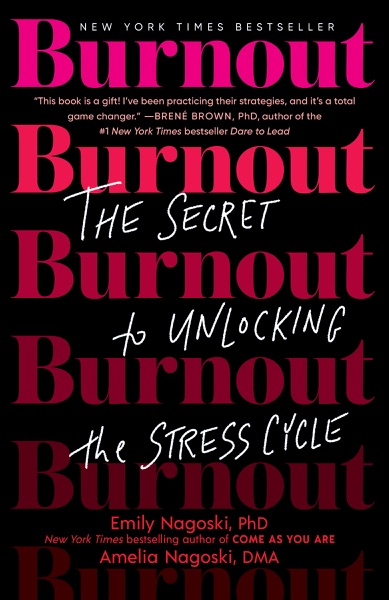
Emily Nagoski and Amelia Nagoski
The Nagoski sisters' research on the stress-response cycle — how modern life interrupts it before completion, leaving the body stuck in activation — appears in Robbins episodes on exhaustion and emotional numbness. She recommends it particularly to high-achieving listeners who mistake burnout for depression.

More on Mel Robbins's picks
Robbins assembles her reading picks from episodes, listener Q&As, and the resources she cites when coaching guests through anxiety, burnout, and boundary collapse. The through-line isn't positivity — it's mechanism. She gravitates toward books that explain the neuroscience or psychology behind a behavior change, then hand the reader a lever to pull that same week.
The list moves roughly from identity and belief (Dweck, Brown, Duckworth) into the body's role in how we feel and heal (van der Kolk, Singer), then out into practical toolkits for habits, time, and relationships (Clear, Tawwab, Sullivan). Robbins's own 5 Second Rule sits in the middle as the axis around which the rest orbits — the five-second countdown is useless without understanding why the brain resists change (Dweck) and what it costs not to (Nagoski, Tolle).
