
Reading list · 15 books
Tim Ferriss's reading list
Tim Ferriss is an author, podcaster, and early-stage investor best known for The 4-Hour Workweek and the Tim Ferriss Show, one of the most downloaded podcasts in history. He interviews world-class performers — athletes, generals, artists, entrepreneurs — and consistently asks what they're reading. His own reading skews toward Stoic philosophy, unconventional biographies, performance science, and practical wisdom over theory.
-
01
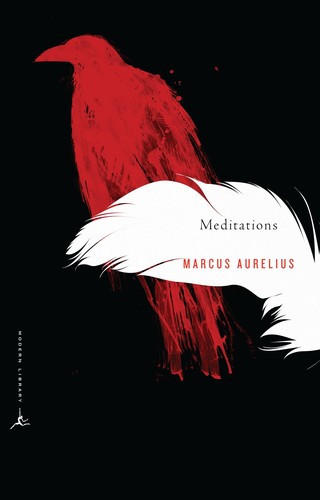
Marcus Aurelius
Ferriss has cited this more than almost any other book — on the podcast, in interviews, and in Tools of Titans. He reads it annually and recommends the Gregory Hays translation. The appeal is practical: Marcus wrote it as a private journal to hold himself accountable, not as philosophy for publication.
-
02
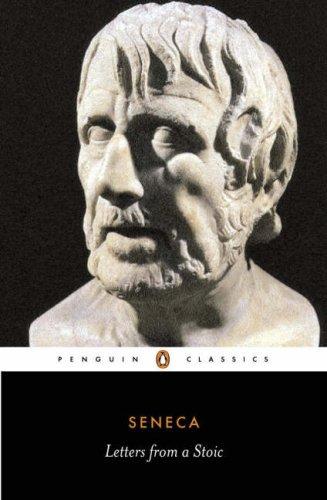
Seneca
Seneca's letters appear throughout Ferriss's recommendations as the more readable complement to Marcus Aurelius. Where Meditations is fragmentary, the letters are sustained arguments. Ferriss has pointed to 'On the Shortness of Life' specifically as a text that reframes how you spend time.
-
03
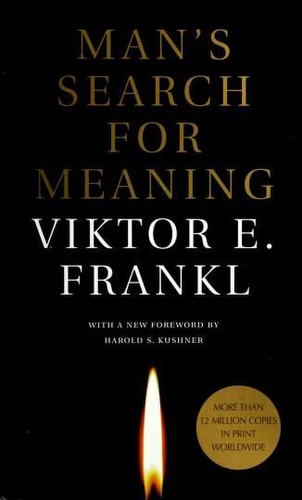
Viktor E. Frankl
A repeated recommendation across many Tim Ferriss Show episodes. Frankl's logotherapy — finding meaning as a survival mechanism — resonates with Ferriss's interest in how people perform under extreme constraint. Guests regularly name it as one of the books that changed how they think.
-
Read these with Superbook
Chat with any book on this list — ask questions, get answers tuned to you.
-
04
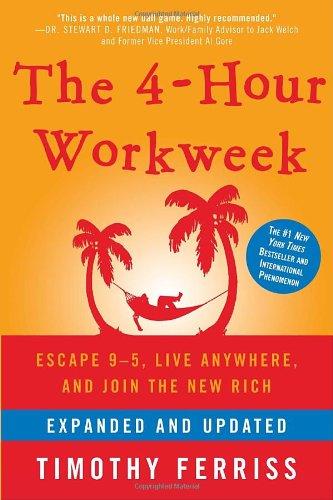
Timothy Ferriss
Ferriss's own first book belongs on any list of his recommendations because he has discussed at length which ideas he still endorses and which he'd revise. The 80/20 analysis and 'fear-setting' exercise in particular appear repeatedly in his podcast as practices he continues.
-
05
Timothy Ferriss
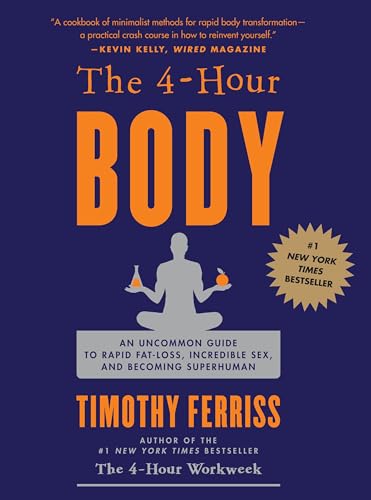
Ferriss designed this book around the minimum effective dose for physical change. He has talked about the slow-carb diet, kettle bell swings, and cold thermogenesis sections as things he personally still uses years after writing it. The PAGG stack and REM sleep chapters generated significant guest discussion.
-
06
David Goggins
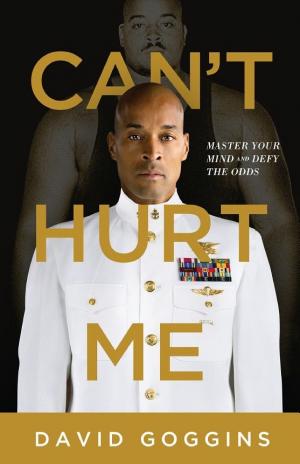
David Goggins was a Tim Ferriss Show guest and this book became one of the most-cited recommendations in the show's later years. Ferriss has described Goggins as someone who stress-tested ideas about what's mentally possible in ways that most people never approach.
-
07
Robert Greene
Robert Greene appears in Tools of Titans as one of Ferriss's guests, and Mastery is the Greene title Ferriss has cited most directly — particularly the apprenticeship chapter. The idea of finding a master to study under before striking out independently aligns with how Ferriss describes his own career moves.
-
08
Waking Up: A Guide to Spirituality Without Religion
Sam Harris
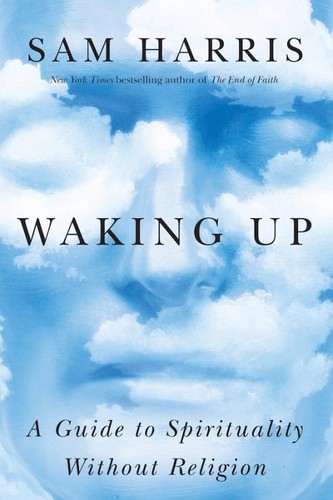
Sam Harris was an early and recurring Tim Ferriss Show guest. Waking Up represents the case Ferriss frequently makes for meditation as a serious cognitive practice rather than wellness accessory. He has discussed the book's secular framing as exactly what he wanted — rigor without mysticism.
-
09
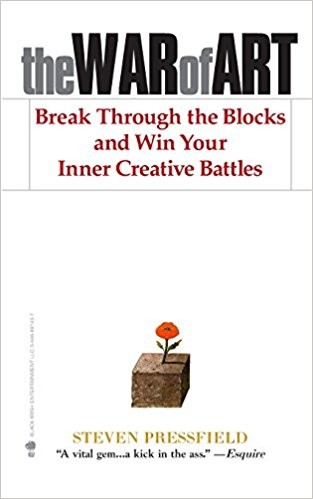
Steven Pressfield
Steven Pressfield's short book on resistance appears in nearly every Ferriss conversation about creative work. He has given it away repeatedly and quotes the concept of 'Resistance' — the internal force blocking creative output — as a frame he uses constantly.
-
10
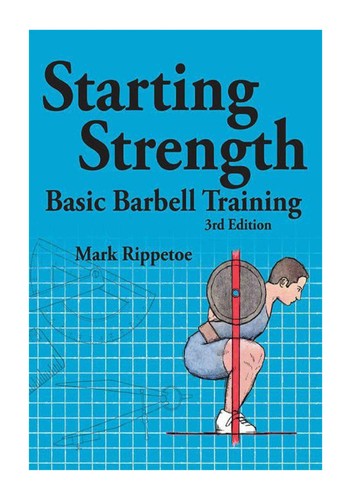
Mark Rippetoe
Ferriss has recommended Mark Rippetoe's manual to guests and in his newsletter as the best single technical resource for building foundational strength. The bias toward compound movements and progressive overload maps onto his minimum-effective-dose philosophy.
-
11
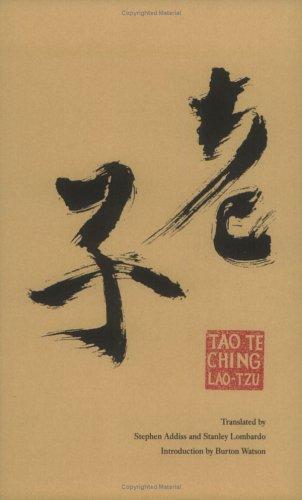
Laozi
The Tao Te Ching appears throughout Ferriss's reading recommendations as a counterweight to Western productivity thinking. He has discussed it alongside the Stoics as a text worth returning to without fully resolving — a book that changes meaning on different readings.
-
12
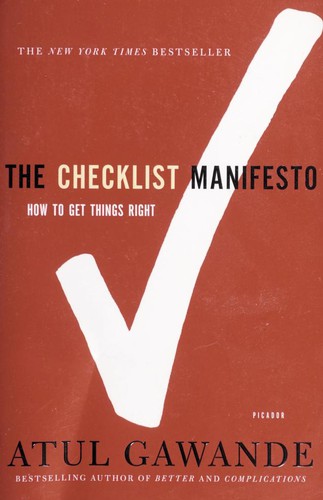
Atul Gawande
Atul Gawande was a Tim Ferriss Show guest and this book — about how simple checklists reduce catastrophic failure in surgery and aviation — surfaces in Ferriss's discussions of decision-making systems. The appeal is characteristically empirical: a small intervention with outsized, measurable results.
-
13
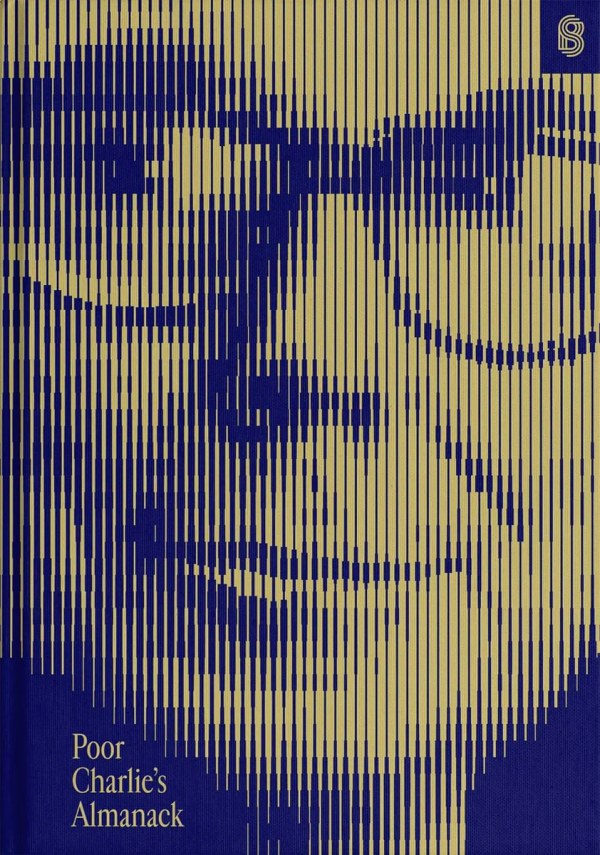
Charlie Munger
Charlie Munger's collected speeches and mental models are a recurring recommendation from Ferriss's circle. He has cited the latticework-of-mental-models concept as one of the most useful frameworks for making decisions across domains — exactly the kind of portable wisdom his podcast hunts for.
-
14
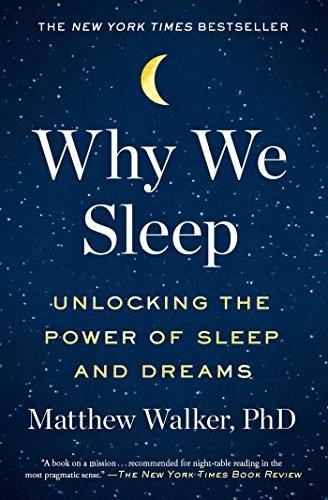
Matthew Walker
Matthew Walker appeared on the Tim Ferriss Show and the episode drove significant discussion. Ferriss has described the book's findings on sleep deprivation as the most alarming research he'd encountered — a complete reframe of how seriously to treat sleep as a performance variable.
-
15
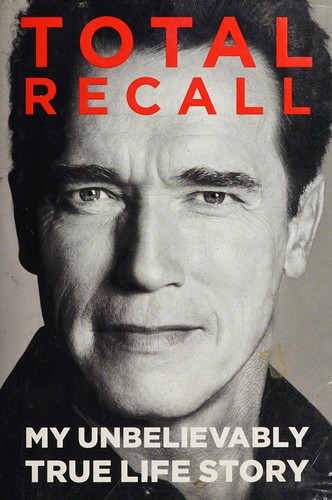
Total Recall: My Unbelievably True Life Story
Arnold Schwarzenegger
Arnold Schwarzenegger's autobiography comes up in Ferriss's discussions of how people build unlikely careers through systematic goal-setting and relentless self-marketing. Ferriss has cited the chapters on Arnold's deliberate approach to each phase — bodybuilding, acting, politics — as a masterclass in sequential reinvention.
More on Tim Ferriss's picks
The Tim Ferriss Show has produced hundreds of book recommendations across more than 700 episodes. This list draws primarily from the books that appear repeatedly across guests — the ones Ferriss himself has called out in his 5-Bullet Friday newsletter, in the appendices of Tools of Titans, and in his own interviews.
The thread running through them is a belief that wisdom is portable across domains. A Stoic emperor's personal journal (Meditations) and a Special Forces dropout's memoir (Can't Hurt Me) teach the same lesson through entirely different lenses. Philosophy, performance biology, and creative craft keep surfacing together — Ferriss isn't assembling a self-improvement canon so much as documenting what high performers across fields actually keep returning to.
The Seneca and Marcus Aurelius titles appear in nearly every conversation where Ferriss discusses his own reading habits. The physical performance books (The 4-Hour Body, Can't Hurt Me, Starting Strength) reflect a consistent interest in what the body is actually capable of when pushed past comfort. The creative and business titles are less about frameworks and more about case studies in doing hard things without institutional support.
