Psychology · Similar reads
Books like Good Reasons for Bad Feelings: Insights from the Frontier of Evolutionary Psychiatry
The best books like Good Reasons for Bad Feelings: Insights from the Frontier of Evolutionary Psychiatry are Thinking, Fast and Slow, Behave: The Biology of Humans at Our Best and Worst, and The Body Keeps the Score. Good Reasons for Bad Feelings: Insights from the Frontier of Evolutionary Psychiatry by Randolph M. Nesse is about evolutionary psychology, mental health, emotions. If that's what drew you in, here are 12 books that share its DNA — each summarized on Superbook, and ready to chat with in the app.
- Thinking, Fast and Slow
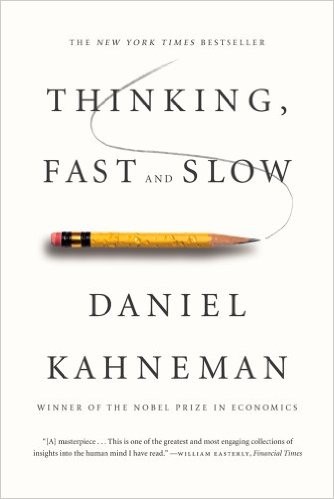
01
Daniel Kahneman · Psychology
Thinking, Fast and Slow is Daniel Kahneman's account of the two cognitive systems that govern human thought.
A kindred psychology read.
Read the summary → - Behave: The Biology of Humans at Our Best and Worst
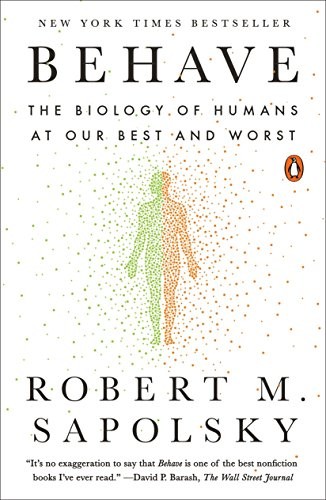
02
Behave: The Biology of Humans at Our Best and Worst
Robert M. Sapolsky · Science
Behave is Robert Sapolsky's attempt to explain why humans do what they do — the violence, the altruism, the tribalism, the heroism — by working through every layer of biology that contributes to a single act.
A kindred psychology read.
Read the summary → - The Body Keeps the Score
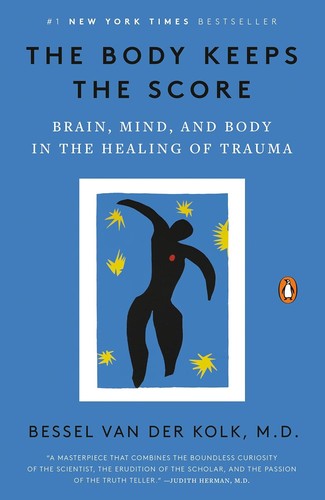
03
Bessel van der Kolk · Psychology
The Body Keeps the Score is Bessel van der Kolk's account of four decades spent studying and treating trauma, from Vietnam veterans at the VA in the 1970s to survivors of childhood abuse, accidents, and domestic violence.
A kindred psychology read.
Read the summary →
- Stumbling on Happiness
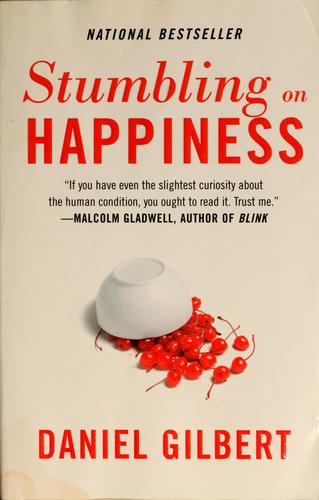
04
Daniel Gilbert · Psychology
Daniel Gilbert is a Harvard psychologist whose central finding, after decades of studying affective forecasting, is that humans are systematically wrong about what will make them happy.
A kindred psychology read.
Read the summary → - The Man Who Mistook His Wife for a Hat
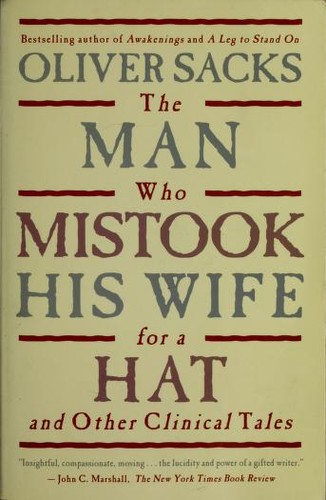
05
The Man Who Mistook His Wife for a Hat
Oliver Sacks · Psychology
Oliver Sacks was a neurologist who thought in stories.
A kindred psychology read.
Read the summary → - The Compassionate Mind
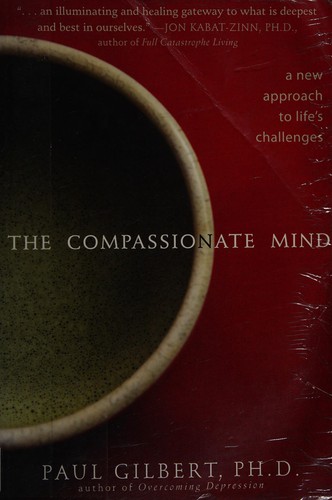
06
Paul Gilbert · Psychology
The Compassionate Mind is Paul Gilbert's comprehensive account of Compassion Focused Therapy, the approach he developed over decades of clinical work with people whose suffering was heavily compounded by shame, self-criticism, and an inability to feel comforted or to comfort themselves.
Shares evolutionary psychology and mental health with Good Reasons for Bad Feelings: Insights from the Frontier of Evolutionary Psychiatry.
Read the summary → - The Myth of Mental Illness: Foundations of a Theory of Personal Conduct
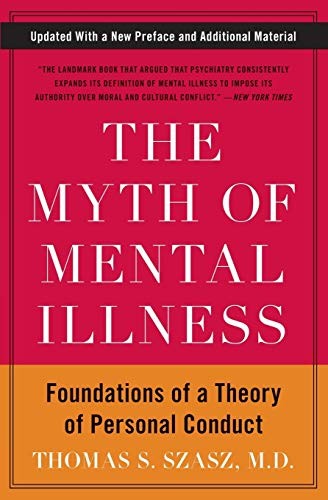
07
The Myth of Mental Illness: Foundations of a Theory of Personal Conduct
Thomas Szasz · Psychology
Thomas Szasz's thesis, first published in 1961, is that mental illness is a category error.
Shares mental health and psychiatry with Good Reasons for Bad Feelings: Insights from the Frontier of Evolutionary Psychiatry.
Read the summary → - The Noonday Demon
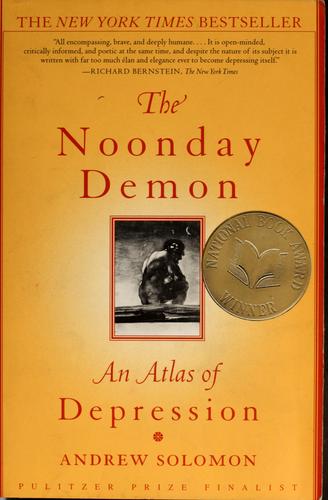
08
Andrew Solomon · Health
The Noonday Demon is Andrew Solomon's exhaustive, literary account of depression — his own experience of it, its science and treatment history, its cultural and political dimensions, and the lives of people living with it across the world.
Shares mental health and psychiatry with Good Reasons for Bad Feelings: Insights from the Frontier of Evolutionary Psychiatry.
Read the summary → - An Unquiet Mind
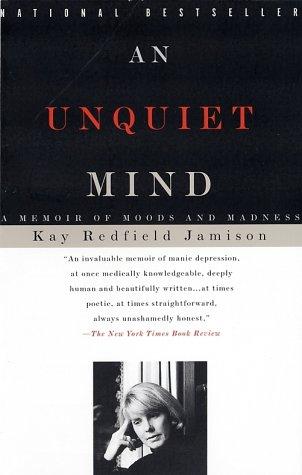
09
Kay Redfield Jamison · Psychology
Kay Redfield Jamison is a psychiatrist and professor who has manic-depressive illness.
Both dig into mental health.
Read the summary → - Atlas of the Heart
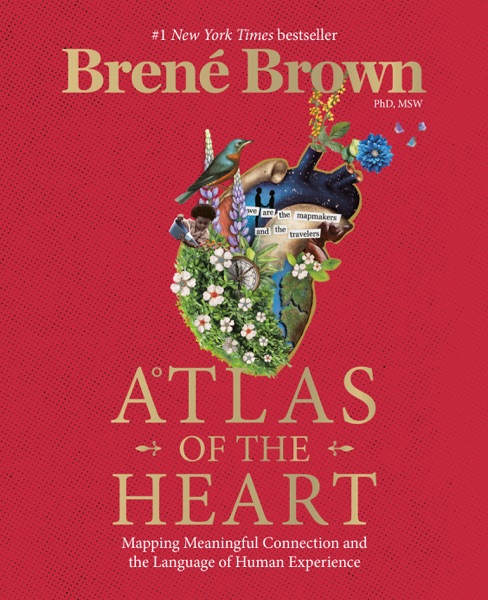
10
Brené Brown · Psychology
Atlas of the Heart is Brené Brown's attempt to map eighty-seven distinct human emotions and experiences — not as a clinical taxonomy but as a practical vocabulary for people who want to communicate more precisely about what they feel.
Both dig into emotions.
Read the summary → - How Emotions Are Made: The Secret Life of the Brain
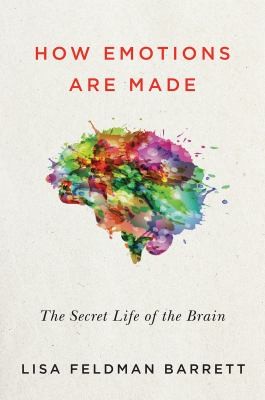
11
How Emotions Are Made: The Secret Life of the Brain
Lisa Feldman Barrett · Psychology
Lisa Feldman Barrett is a neuroscientist and psychologist at Northeastern University who has spent thirty years studying emotion, and her conclusion challenges the most widely held view of what emotions are.
Both dig into emotions.
Read the summary → - Solving the Procrastination Puzzle
12
Solving the Procrastination Puzzle
Timothy A. Pychyl · Psychology
Solving the Procrastination Puzzle is Timothy Pychyl's short, research-grounded guide to understanding and overcoming procrastination.
Both dig into emotions.
Read the summary →
Books like Good Reasons for Bad Feelings: Insights from the Frontier of Evolutionary Psychiatry: quick answers
What are the best books like Good Reasons for Bad Feelings: Insights from the Frontier of Evolutionary Psychiatry?
The best books like Good Reasons for Bad Feelings: Insights from the Frontier of Evolutionary Psychiatry by Randolph M. Nesse are Thinking, Fast and Slow by Daniel Kahneman, Behave: The Biology of Humans at Our Best and Worst by Robert M. Sapolsky, The Body Keeps the Score by Bessel van der Kolk, Stumbling on Happiness by Daniel Gilbert, The Man Who Mistook His Wife for a Hat by Oliver Sacks, plus 7 more below. Each was chosen for themes it shares with Good Reasons for Bad Feelings: Insights from the Frontier of Evolutionary Psychiatry, such as evolutionary psychology, mental health, emotions.
What should I read after Good Reasons for Bad Feelings: Insights from the Frontier of Evolutionary Psychiatry?
A natural next read after Good Reasons for Bad Feelings: Insights from the Frontier of Evolutionary Psychiatry is Thinking, Fast and Slow by Daniel Kahneman. A kindred psychology read. Other strong choices are Behave: The Biology of Humans at Our Best and Worst by Robert M. Sapolsky, The Body Keeps the Score by Bessel van der Kolk, Stumbling on Happiness by Daniel Gilbert.
What books are similar to Good Reasons for Bad Feelings: Insights from the Frontier of Evolutionary Psychiatry by Randolph M. Nesse?
Good Reasons for Bad Feelings: Insights from the Frontier of Evolutionary Psychiatry centers on evolutionary psychology, mental health, emotions. Books with a similar feel include Thinking, Fast and Slow by Daniel Kahneman, Behave: The Biology of Humans at Our Best and Worst by Robert M. Sapolsky, The Body Keeps the Score by Bessel van der Kolk, Stumbling on Happiness by Daniel Gilbert, The Man Who Mistook His Wife for a Hat by Oliver Sacks, The Compassionate Mind by Paul Gilbert — all free to read and chat with on Superbook.
