Economics · Similar reads
Books like Irrational Exuberance
The best books like Irrational Exuberance are The Intelligent Investor, Thinking, Fast and Slow, and A Random Walk Down Wall Street. Irrational Exuberance by Robert J. Shiller is about market bubbles, investor psychology, valuation. If that's what drew you in, here are 12 books that share its DNA — each summarized on Superbook, and ready to chat with in the app.
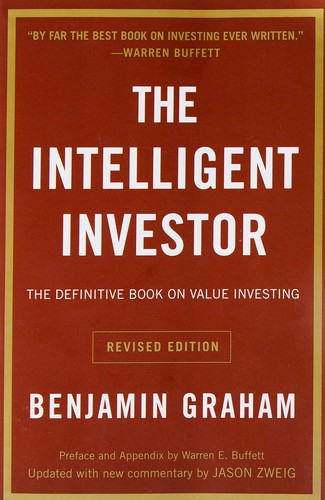
- The Intelligent Investor
01
Benjamin Graham · Economics
The Intelligent Investor is Benjamin Graham's case that successful investing has less to do with picking the right stocks than with managing your own behavior.
A kindred economics read.
Read the summary → - Thinking, Fast and Slow
02
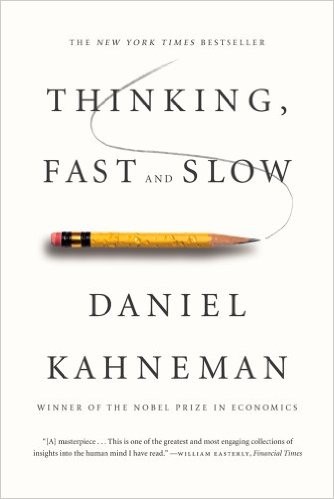
Daniel Kahneman · Psychology
Thinking, Fast and Slow is Daniel Kahneman's account of the two cognitive systems that govern human thought.
A kindred economics read.
Read the summary → - A Random Walk Down Wall Street
03
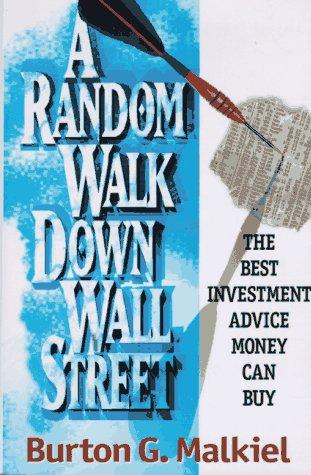
A Random Walk Down Wall Street
Burton G. Malkiel · Economics
A Random Walk Down Wall Street is Burton Malkiel's argument that stock prices move in a way that is effectively unpredictable, that professional fund managers cannot consistently beat the market, and that the rational response for most investors is to buy and hold a diversified index fund.
A kindred economics read.
Read the summary →
- The Psychology of Money
04
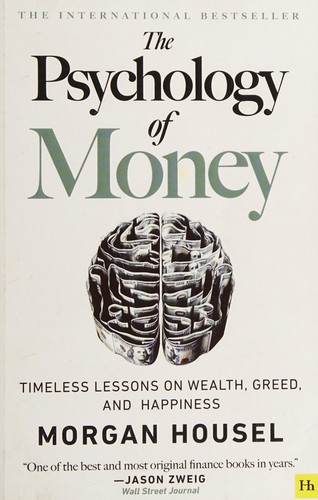
Morgan Housel · Economics
The Psychology of Money is Morgan Housel's argument that financial success depends less on technical knowledge than on behavior — specifically, on understanding how your personal history, emotions, and cognitive biases shape every financial decision you make.
A kindred economics read.
Read the summary → - A Short History of Financial Euphoria
05
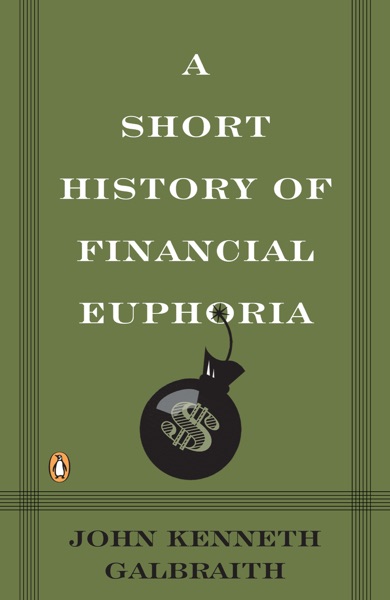
A Short History of Financial Euphoria
John Kenneth Galbraith · Economics
A Short History of Financial Euphoria is John Kenneth Galbraith's compressed account of speculative bubbles from the tulip mania of 1630s Holland through the 1987 US stock market crash.
Both dig into market history.
Read the summary → - Margin of Safety
06
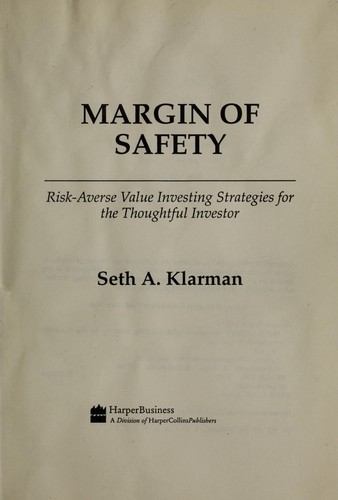
Seth Klarman · Economics
Margin of Safety is Seth Klarman's 1991 treatise on value investing, subtitled "Risk-Averse Value Investing Strategies for the Thoughtful Investor." The book has never been reprinted and used copies sell for hundreds to thousands of dollars, giving it a near-mythical status among serious investors.
Both dig into investor psychology.
Read the summary → - Mastering the Market Cycle
07
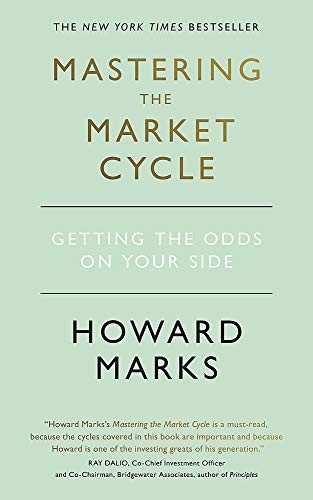
Howard Marks · Economics
Mastering the Market Cycle is Howard Marks's systematic argument that investment returns depend less on predicting the future than on understanding where you currently stand in the various cycles that govern markets.
Both dig into investor psychology.
Read the summary → - The Four Pillars of Investing
08
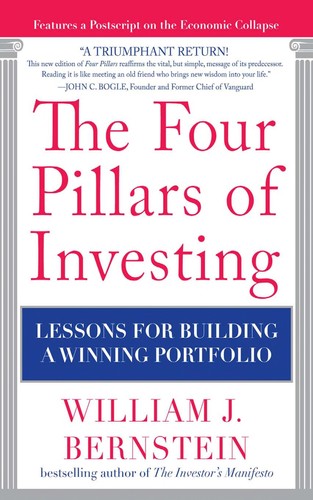
William J. Bernstein · Economics
The Four Pillars of Investing is William Bernstein's rigorous guide to building and managing an investment portfolio, organized around the four things every serious investor needs to understand: investment theory, investment history, the psychology of investing, and the investment business.
Both dig into market history.
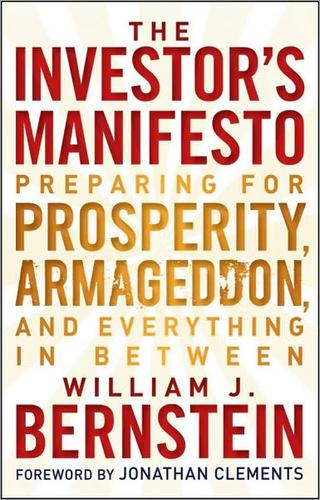
Read the summary → - The Investor's Manifesto
09
William J. Bernstein · Economics
The Investor's Manifesto is William Bernstein's concise statement of what evidence-based investing actually requires.
Both dig into market history.
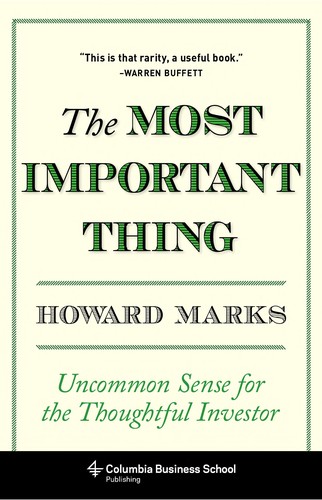
Read the summary → - The Most Important Thing
10
Howard Marks · Economics
The Most Important Thing is Howard Marks's collection of investment insights drawn from his decades of memos to Oaktree Capital clients — memos that became famous in investment circles for their clarity, depth, and willingness to address the psychological dimensions of investing that most practitioners avoid.
Both dig into investor psychology.
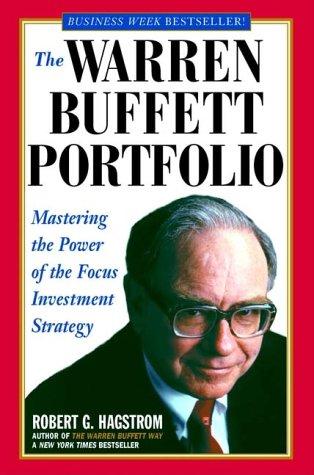
Read the summary → - The Warren Buffett Portfolio
11
Robert G. Hagstrom · Economics
The Warren Buffett Portfolio is Robert Hagstrom's attempt to articulate not just what Buffett buys, but how he thinks about portfolio construction — specifically his case for concentration over diversification.
Both dig into investor psychology.
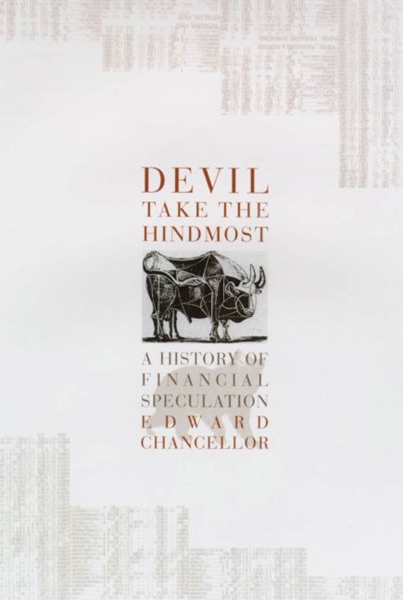
Read the summary → - Devil Take the Hindmost: A History of Financial Speculation
12
Devil Take the Hindmost: A History of Financial Speculation
Edward Chancellor · History
Edward Chancellor's 1999 history of financial speculation begins with seventeenth-century Holland and ends with the Japanese bubble of the 1980s and early signs of the dot-com excess that would peak after the book's publication.
Both dig into market bubbles.
Read the summary →
Books like Irrational Exuberance: quick answers
What are the best books like Irrational Exuberance?
The best books like Irrational Exuberance by Robert J. Shiller are The Intelligent Investor by Benjamin Graham, Thinking, Fast and Slow by Daniel Kahneman, A Random Walk Down Wall Street by Burton G. Malkiel, The Psychology of Money by Morgan Housel, A Short History of Financial Euphoria by John Kenneth Galbraith, plus 7 more below. Each was chosen for themes it shares with Irrational Exuberance, such as market bubbles, investor psychology, valuation.
What should I read after Irrational Exuberance?
A natural next read after Irrational Exuberance is The Intelligent Investor by Benjamin Graham. A kindred economics read. Other strong choices are Thinking, Fast and Slow by Daniel Kahneman, A Random Walk Down Wall Street by Burton G. Malkiel, The Psychology of Money by Morgan Housel.
What books are similar to Irrational Exuberance by Robert J. Shiller?
Irrational Exuberance centers on market bubbles, investor psychology, valuation. Books with a similar feel include The Intelligent Investor by Benjamin Graham, Thinking, Fast and Slow by Daniel Kahneman, A Random Walk Down Wall Street by Burton G. Malkiel, The Psychology of Money by Morgan Housel, A Short History of Financial Euphoria by John Kenneth Galbraith, Margin of Safety by Seth Klarman — all free to read and chat with on Superbook.
