Economics · Similar reads
Books like A Short History of Financial Euphoria
The best books like A Short History of Financial Euphoria are The Big Short: Inside the Doomsday Machine, Fooled by Randomness, and Irrational Exuberance. A Short History of Financial Euphoria by John Kenneth Galbraith is about financial bubbles, speculation, behavioral economics. If that's what drew you in, here are 12 books that share its DNA — each summarized on Superbook, and ready to chat with in the app.
- The Big Short: Inside the Doomsday Machine
01
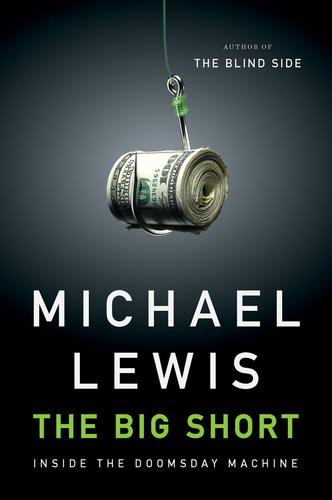
The Big Short: Inside the Doomsday Machine
Michael Lewis · Economics
The Big Short is Michael Lewis's account of the 2008 financial crisis as seen through the eyes of a handful of contrarians who saw the collapse coming, bet against the American housing market, and were right.
A kindred economics read.
Read the summary → - Fooled by Randomness
02
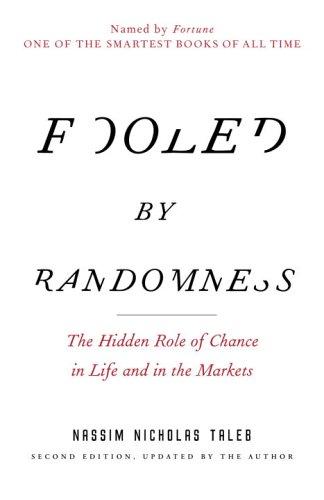
Nassim Nicholas Taleb · Psychology
Fooled by Randomness is Nassim Nicholas Taleb's argument that humans are wired to misread luck as skill, noise as signal, and random outcomes as the product of ability or effort.
A kindred economics read.
Read the summary → - Irrational Exuberance
03
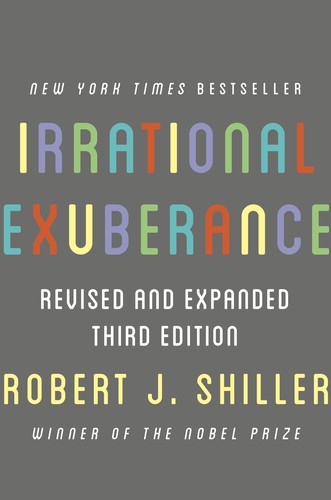
Robert J. Shiller · Economics
Irrational Exuberance is Robert Shiller's argument that stock and real estate markets are driven not just by rational calculation but by feedback loops, stories, and crowd psychology.
Both dig into market history.
Read the summary →
- Thinking, Fast and Slow
04
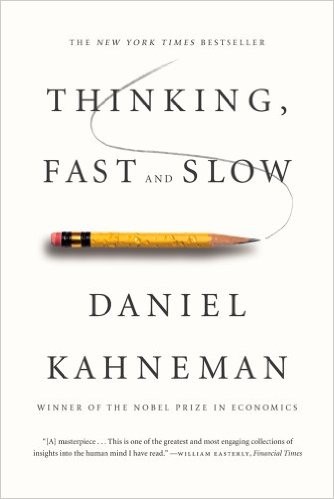
Daniel Kahneman · Psychology
Thinking, Fast and Slow is Daniel Kahneman's account of the two cognitive systems that govern human thought.
Both dig into behavioral economics.
Read the summary → - The Black Swan: The Impact of the Highly Improbable
05
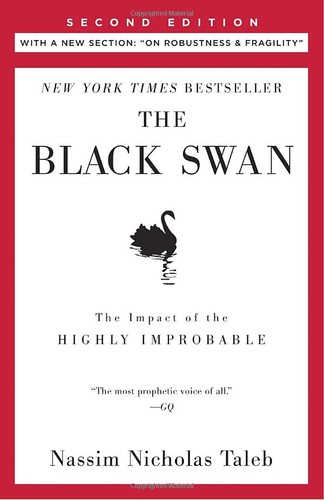
The Black Swan: The Impact of the Highly Improbable
Nassim Nicholas Taleb · Science
The Black Swan is Nassim Nicholas Taleb's argument that the most consequential events in history — financial crashes, technological breakthroughs, wars, pandemics — are not predictable outliers but structurally unpredictable ones.
A kindred economics read.
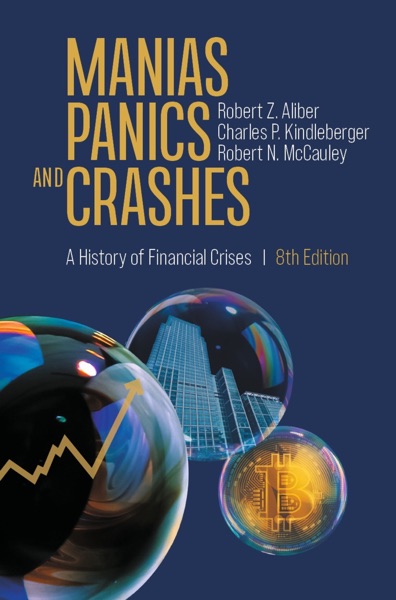
Read the summary → - Manias, Panics, and Crashes
06
Charles P. Kindleberger · Economics
Manias, Panics, and Crashes is Charles Kindleberger's analysis of financial crises across five centuries of history, first published in 1978 and updated in several subsequent editions.
Shares speculation and behavioral economics with A Short History of Financial Euphoria.
Read the summary → - Nudge: Improving Decisions About Health, Wealth, and Happiness
07
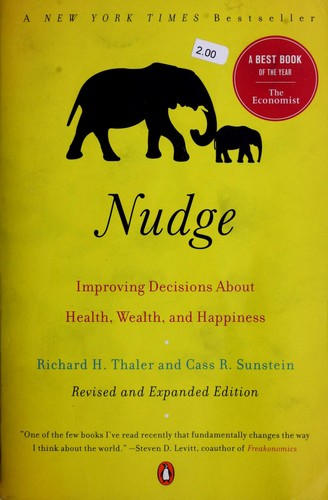
Nudge: Improving Decisions About Health, Wealth, and Happiness
Richard H. Thaler and Cass R. Sunstein · Economics
Nudge is Richard Thaler and Cass Sunstein's argument that the way choices are presented — the default option, the order of items, the framing of a question — powerfully shapes what people decide, often more than their own stated preferences.
Both dig into behavioral economics.
Read the summary → - The Alchemy of Finance
08
George Soros · Economics
The Alchemy of Finance is George Soros's attempt to explain both the theory behind his investment decisions and the practice of applying it during the years he ran the Quantum Fund.
Both dig into speculation.
Read the summary → - The Four Pillars of Investing
09
William J. Bernstein · Economics
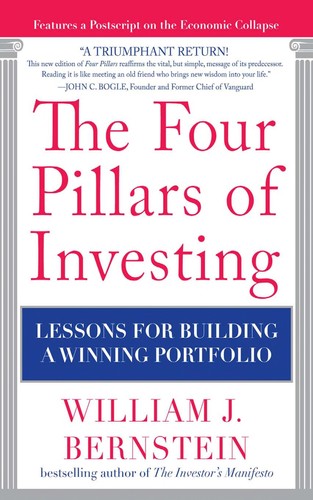
The Four Pillars of Investing is William Bernstein's rigorous guide to building and managing an investment portfolio, organized around the four things every serious investor needs to understand: investment theory, investment history, the psychology of investing, and the investment business.
Both dig into market history.
Read the summary → - The Investor's Manifesto
10
William J. Bernstein · Economics
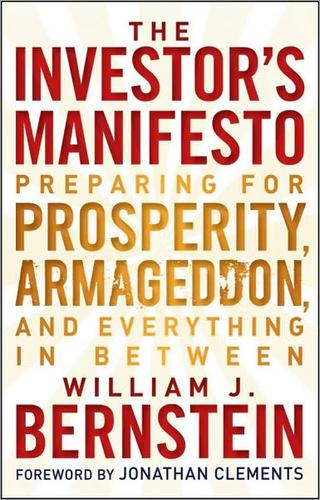
The Investor's Manifesto is William Bernstein's concise statement of what evidence-based investing actually requires.
Both dig into market history.
Read the summary → - Dollars and Sense
11
Dan Ariely · Psychology
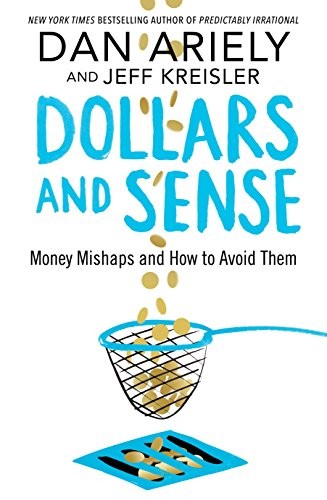
Dollars and Sense is Dan Ariely and Jeff Kreisler's examination of why people consistently make bad financial decisions even when they have the information and intention to do otherwise.
Both dig into behavioral economics.
Read the summary → - Extraordinary Popular Delusions and the Madness of Crowds
12
Extraordinary Popular Delusions and the Madness of Crowds
Charles Mackay · History
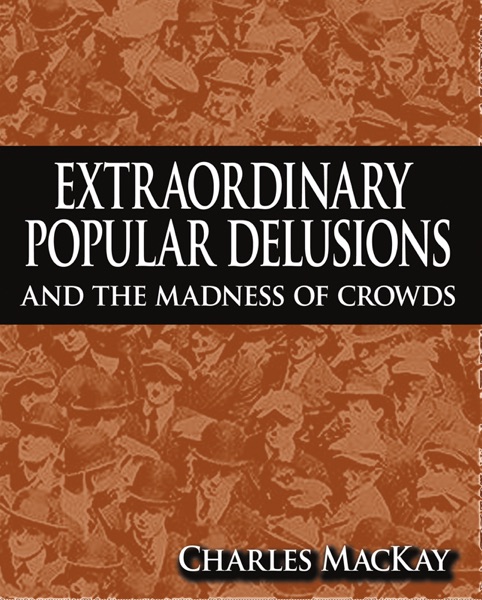
Extraordinary Popular Delusions and the Madness of Crowds, published by Scottish journalist Charles Mackay in 1841, is one of the most quoted books in financial history despite being primarily a work of popular history and entertainment.
Both dig into financial bubbles.
Read the summary →
Books like A Short History of Financial Euphoria: quick answers
What are the best books like A Short History of Financial Euphoria?
The best books like A Short History of Financial Euphoria by John Kenneth Galbraith are The Big Short: Inside the Doomsday Machine by Michael Lewis, Fooled by Randomness by Nassim Nicholas Taleb, Irrational Exuberance by Robert J. Shiller, Thinking, Fast and Slow by Daniel Kahneman, The Black Swan: The Impact of the Highly Improbable by Nassim Nicholas Taleb, plus 7 more below. Each was chosen for themes it shares with A Short History of Financial Euphoria, such as financial bubbles, speculation, behavioral economics.
What should I read after A Short History of Financial Euphoria?
A natural next read after A Short History of Financial Euphoria is The Big Short: Inside the Doomsday Machine by Michael Lewis. A kindred economics read. Other strong choices are Fooled by Randomness by Nassim Nicholas Taleb, Irrational Exuberance by Robert J. Shiller, Thinking, Fast and Slow by Daniel Kahneman.
What books are similar to A Short History of Financial Euphoria by John Kenneth Galbraith?
A Short History of Financial Euphoria centers on financial bubbles, speculation, behavioral economics. Books with a similar feel include The Big Short: Inside the Doomsday Machine by Michael Lewis, Fooled by Randomness by Nassim Nicholas Taleb, Irrational Exuberance by Robert J. Shiller, Thinking, Fast and Slow by Daniel Kahneman, The Black Swan: The Impact of the Highly Improbable by Nassim Nicholas Taleb, Manias, Panics, and Crashes by Charles P. Kindleberger — all free to read and chat with on Superbook.
