Science · Similar reads
Books like The Black Swan: The Impact of the Highly Improbable
The best books like The Black Swan: The Impact of the Highly Improbable are Thinking, Fast and Slow, Fooled by Randomness, and Antifragile: Things That Gain from Disorder. The Black Swan: The Impact of the Highly Improbable by Nassim Nicholas Taleb is about uncertainty, probability, epistemology. If that's what drew you in, here are 12 books that share its DNA — each summarized on Superbook, and ready to chat with in the app.
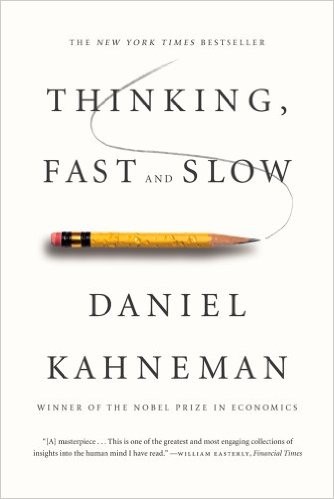
- Thinking, Fast and Slow
01
Daniel Kahneman · Psychology
Thinking, Fast and Slow is Daniel Kahneman's account of the two cognitive systems that govern human thought.
Both dig into cognitive bias.
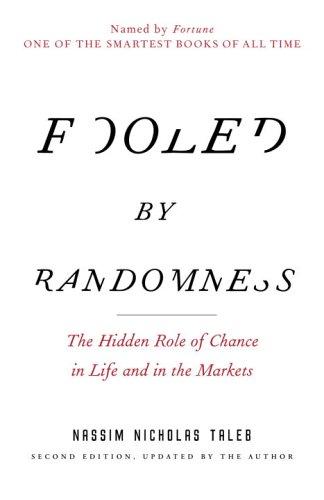
Read the summary → - Fooled by Randomness
02
Nassim Nicholas Taleb · Psychology
Fooled by Randomness is Nassim Nicholas Taleb's argument that humans are wired to misread luck as skill, noise as signal, and random outcomes as the product of ability or effort.
Shares probability and risk with The Black Swan: The Impact of the Highly Improbable.
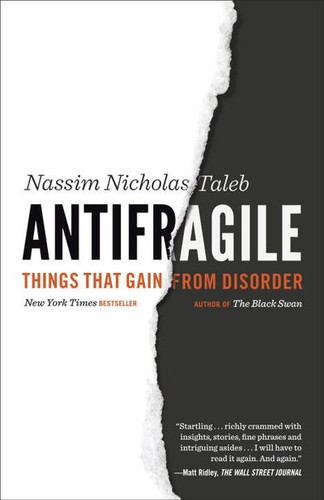
Read the summary → - Antifragile: Things That Gain from Disorder
03
Antifragile: Things That Gain from Disorder
Nassim Nicholas Taleb · Philosophy
Antifragile is Nassim Nicholas Taleb's argument that the opposite of fragile is not robust or resilient — it is antifragile.
A kindred science read.
Read the summary →
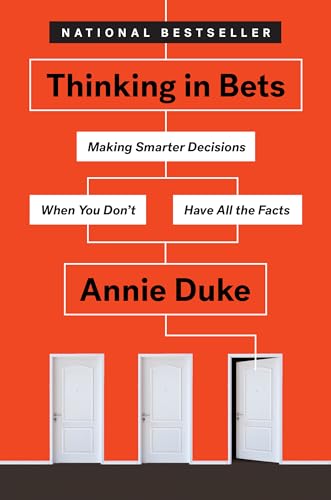
- Thinking in Bets: Making Smarter Decisions When You Don't Have All the Facts
04
Thinking in Bets: Making Smarter Decisions When You Don't Have All the Facts
Annie Duke · Psychology
Thinking in Bets is Annie Duke's argument that most decisions in life share a fundamental feature with poker hands: you're choosing under uncertainty, with incomplete information, and luck will affect the outcome regardless of how well you reasoned.
Shares uncertainty and probability with The Black Swan: The Impact of the Highly Improbable.
Read the summary → - Predictably Irrational
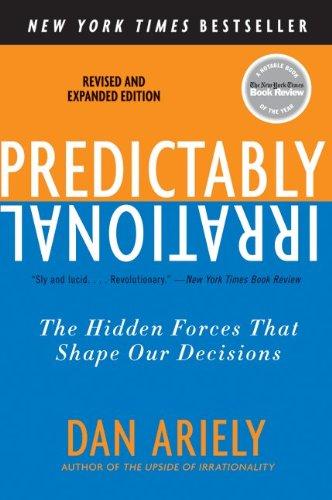
05
Dan Ariely · Psychology
Predictably Irrational is Dan Ariely's examination of how humans make decisions that are consistently, systematically irrational — not random or arbitrary, but irrational in ways that follow patterns.
Both dig into cognitive bias.
Read the summary → - The Signal and the Noise
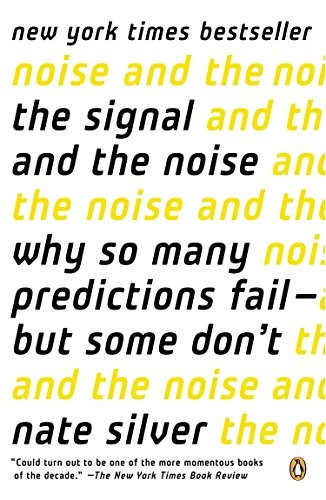
06
Nate Silver · Science
Nate Silver made his reputation predicting baseball statistics and then political elections.
Shares uncertainty and probability with The Black Swan: The Impact of the Highly Improbable.
Read the summary → - Against the Gods: The Remarkable Story of Risk
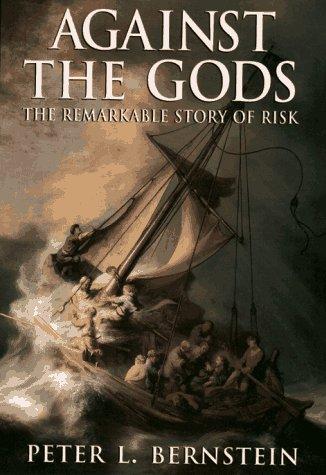
07
Against the Gods: The Remarkable Story of Risk
Peter L. Bernstein · History
Against the Gods is Peter Bernstein's intellectual history of how humanity learned to measure, quantify, and manage risk — a story he traces from ancient gambling in the Mediterranean through the development of modern probability theory, statistics, and financial derivatives.
Shares probability and risk with The Black Swan: The Impact of the Highly Improbable.
Read the summary → - Judgment Under Uncertainty: Heuristics and Biases
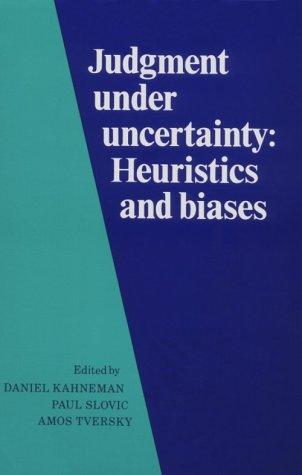
08
Judgment Under Uncertainty: Heuristics and Biases
Daniel Kahneman, Paul Slovic, and Amos Tversky · Psychology
Judgment Under Uncertainty is the academic anthology that launched a research program.
Shares probability and cognitive bias with The Black Swan: The Impact of the Highly Improbable.
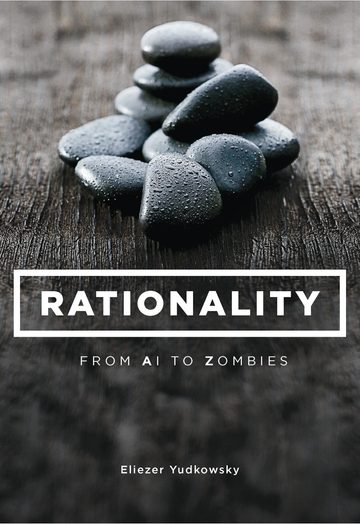
Read the summary → - Rationality: From AI to Zombies
09
Rationality: From AI to Zombies
Eliezer Yudkowsky · Philosophy
Rationality: From AI to Zombies is a collection of Eliezer Yudkowsky's essays from LessWrong, organized into six books covering the theory and practice of thinking clearly.
Shares epistemology and cognitive bias with The Black Swan: The Impact of the Highly Improbable.
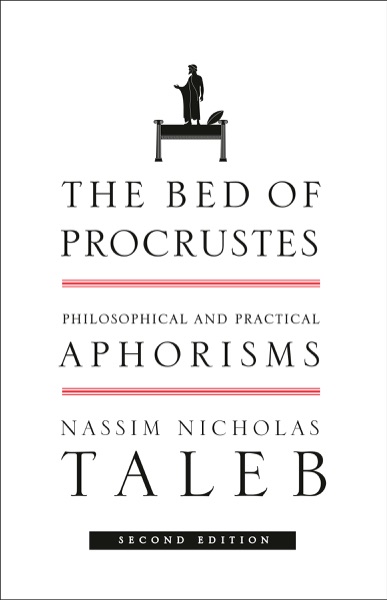
Read the summary → - The Bed of Procrustes
10
Nassim Nicholas Taleb · Philosophy
The Bed of Procrustes is Nassim Nicholas Taleb's collection of philosophical aphorisms, the third volume in his Incerto series following Fooled by Randomness and The Black Swan.
Shares uncertainty and epistemology with The Black Swan: The Impact of the Highly Improbable.
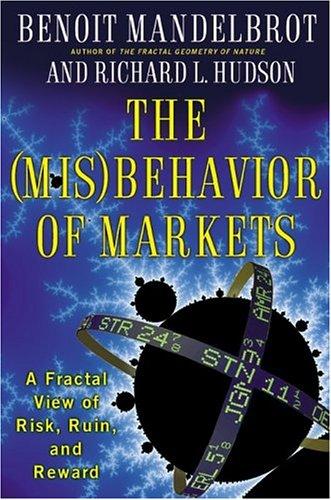
Read the summary → - The Misbehavior of Markets
11
Benoit Mandelbrot · Economics
Benoit Mandelbrot, the mathematician who discovered fractal geometry, spent decades arguing that standard financial theory systematically underestimates the riskiness of markets.
Shares probability and risk with The Black Swan: The Impact of the Highly Improbable.
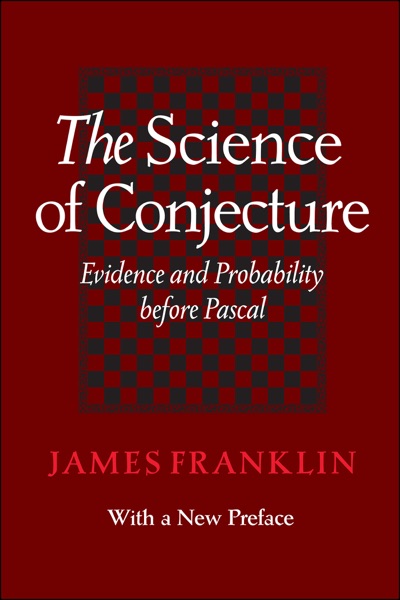
Read the summary → - The Science of Conjecture
12
James Franklin · History
The Science of Conjecture is James Franklin's history of probable reasoning from classical antiquity through the seventeenth century, the period traditionally treated as the starting point for mathematical probability.
Shares probability and epistemology with The Black Swan: The Impact of the Highly Improbable.
Read the summary →
Books like The Black Swan: The Impact of the Highly Improbable: quick answers
What are the best books like The Black Swan: The Impact of the Highly Improbable?
The best books like The Black Swan: The Impact of the Highly Improbable by Nassim Nicholas Taleb are Thinking, Fast and Slow by Daniel Kahneman, Fooled by Randomness by Nassim Nicholas Taleb, Antifragile: Things That Gain from Disorder by Nassim Nicholas Taleb, Thinking in Bets: Making Smarter Decisions When You Don't Have All the Facts by Annie Duke, Predictably Irrational by Dan Ariely, plus 7 more below. Each was chosen for themes it shares with The Black Swan: The Impact of the Highly Improbable, such as uncertainty, probability, epistemology.
What should I read after The Black Swan: The Impact of the Highly Improbable?
A natural next read after The Black Swan: The Impact of the Highly Improbable is Thinking, Fast and Slow by Daniel Kahneman. Both dig into cognitive bias. Other strong choices are Fooled by Randomness by Nassim Nicholas Taleb, Antifragile: Things That Gain from Disorder by Nassim Nicholas Taleb, Thinking in Bets: Making Smarter Decisions When You Don't Have All the Facts by Annie Duke.
What books are similar to The Black Swan: The Impact of the Highly Improbable by Nassim Nicholas Taleb?
The Black Swan: The Impact of the Highly Improbable centers on uncertainty, probability, epistemology. Books with a similar feel include Thinking, Fast and Slow by Daniel Kahneman, Fooled by Randomness by Nassim Nicholas Taleb, Antifragile: Things That Gain from Disorder by Nassim Nicholas Taleb, Thinking in Bets: Making Smarter Decisions When You Don't Have All the Facts by Annie Duke, Predictably Irrational by Dan Ariely, The Signal and the Noise by Nate Silver — all free to read and chat with on Superbook.
