Economics · Similar reads
Books like The Wealth of Nations
The best books like The Wealth of Nations are Thinking, Fast and Slow, Freakonomics, and Misbehaving: The Making of Behavioral Economics. The Wealth of Nations by Adam Smith is about free markets, division of labor, political economy. If that's what drew you in, here are 12 books that share its DNA — each summarized on Superbook, and ready to chat with in the app.
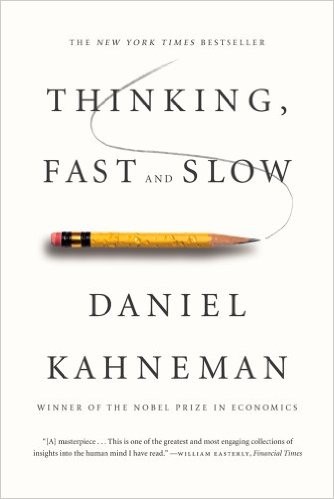
- Thinking, Fast and Slow
01
Daniel Kahneman · Psychology
Thinking, Fast and Slow is Daniel Kahneman's account of the two cognitive systems that govern human thought.
A kindred economics read.
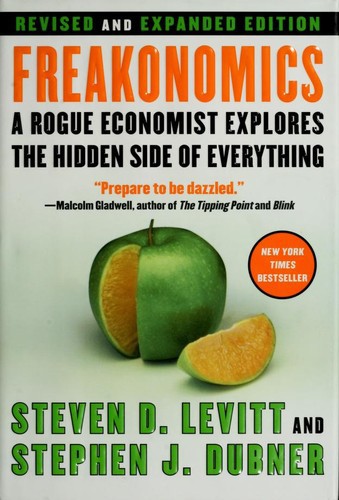
Read the summary → - Freakonomics
02
Steven D. Levitt and Stephen J. Dubner · Economics
Freakonomics is economist Steven Levitt and journalist Stephen Dubner's argument that economics — properly understood as the study of incentives — can explain things that look, on the surface, like they have nothing to do with money.
A kindred economics read.
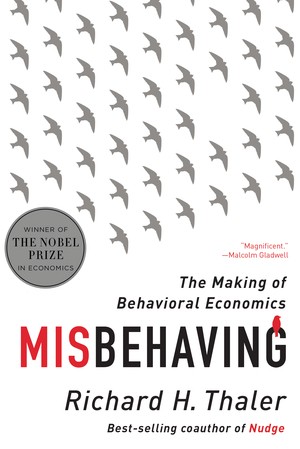
Read the summary → - Misbehaving: The Making of Behavioral Economics
03
Misbehaving: The Making of Behavioral Economics
Richard H. Thaler · Psychology
Richard Thaler is one of the founders of behavioral economics, the field that took the anomalies in standard economic theory seriously rather than dismissing them as noise.
A kindred economics read.
Read the summary →
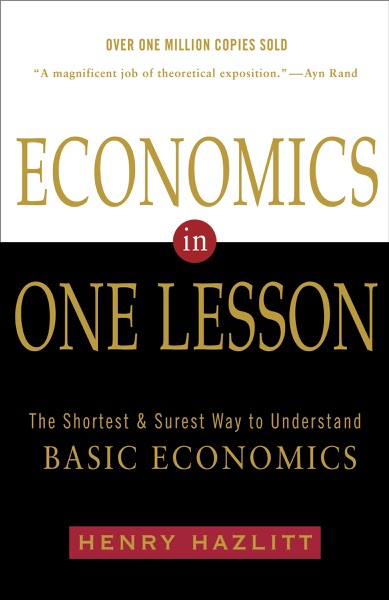
- Economics in One Lesson
04
Henry Hazlitt · Economics
Henry Hazlitt wrote Economics in One Lesson in 1946, based on a single insight he credited to the nineteenth-century French economist Frédéric Bastiat: the difference between a good economist and a bad economist is that the good economist considers the effects of a policy on all groups, not just the immediately visible beneficiaries, and over the long run, not just the immediate term.
Both dig into free markets.
Read the summary → - Free to Choose: A Personal Statement
05
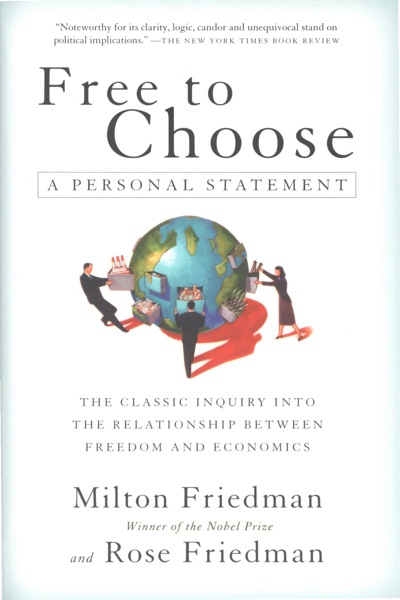
Free to Choose: A Personal Statement
Milton Friedman and Rose Friedman · Economics
Free to Choose began as a ten-part television series on PBS in 1980, later expanded into the book Milton and Rose Friedman wrote together.
Both dig into free markets.
Read the summary → - Goliath
06
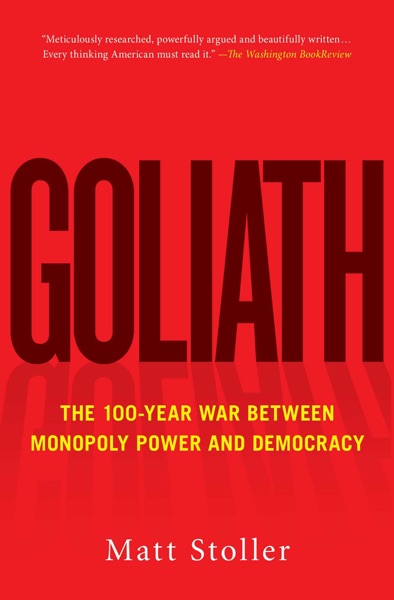
Matt Stoller · Economics
Goliath is Matt Stoller's history of monopoly power in America, arguing that the concentration of corporate power in the late twentieth and early twenty-first centuries is not a novel development but a return to a pattern that Americans once recognized as a fundamental threat to democratic governance — and successfully resisted through antitrust law.
Both dig into political economy.
Read the summary → - The Capitalist Manifesto: Why the Global Free Market Will Save the World
07
The Capitalist Manifesto: Why the Global Free Market Will Save the World
Johan Norberg · Economics
Johan Norberg has made a career of making the case that open markets have lifted more people out of poverty than any other force in human history, and The Capitalist Manifesto is his most direct statement of that argument.
Both dig into free markets.
Read the summary → - The Great Transformation
08
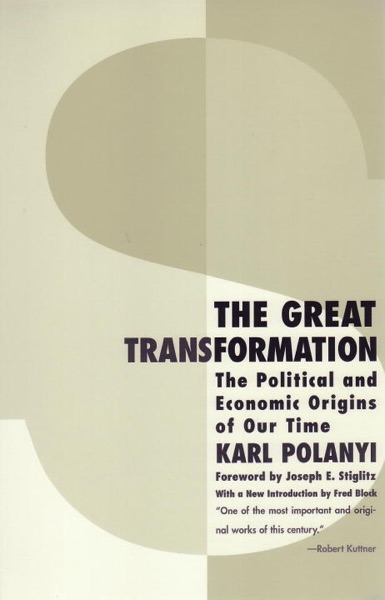
Karl Polanyi · Economics
The Great Transformation is Karl Polanyi's 1944 account of how a self-regulating market economy emerged in nineteenth-century England, what social catastrophe that emergence caused, and why the market society created its own political reaction.
Both dig into political economy.
Read the summary → - Why Nations Fail: The Origins of Power, Prosperity, and Poverty
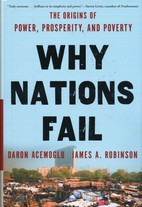
09
Why Nations Fail: The Origins of Power, Prosperity, and Poverty
Daron Acemoglu and James A. Robinson · Economics
Daron Acemoglu and James Robinson argue that the fundamental difference between rich and poor countries is not geography, culture, or bad luck.
Both dig into political economy.
Read the summary → - 1493: Uncovering the New World Columbus Created
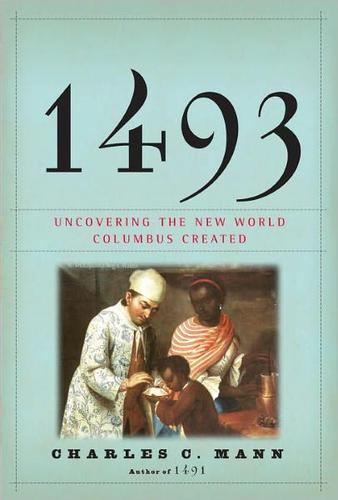
10
1493: Uncovering the New World Columbus Created
Charles C. Mann · History
Where 1491 ends, 1493 begins.
Both dig into trade.
Read the summary → - The Shock Doctrine: The Rise of Disaster Capitalism
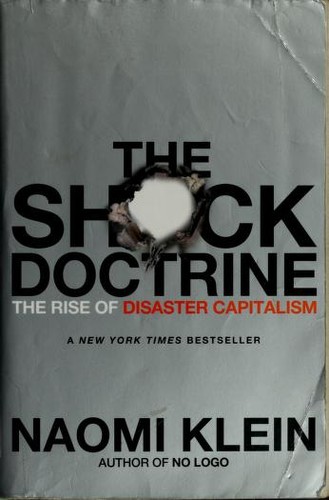
11
The Shock Doctrine: The Rise of Disaster Capitalism
Naomi Klein · History
Naomi Klein's The Shock Doctrine, published in 2007, argues that free-market economic policies — privatization, deregulation, cuts to social spending — have historically been implemented not through democratic persuasion but by exploiting crises and disasters that leave populations too disoriented and traumatized to resist.
Both dig into political economy.
Read the summary → - This Changes Everything: Capitalism vs. The Climate
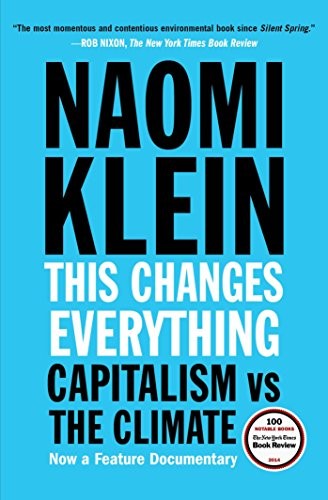
12
This Changes Everything: Capitalism vs. The Climate
Naomi Klein · History
Naomi Klein's central argument is that the climate crisis cannot be solved within the existing economic framework.
Both dig into political economy.
Read the summary →
Books like The Wealth of Nations: quick answers
What are the best books like The Wealth of Nations?
The best books like The Wealth of Nations by Adam Smith are Thinking, Fast and Slow by Daniel Kahneman, Freakonomics by Steven D. Levitt and Stephen J. Dubner, Misbehaving: The Making of Behavioral Economics by Richard H. Thaler, Economics in One Lesson by Henry Hazlitt, Free to Choose: A Personal Statement by Milton Friedman and Rose Friedman, plus 7 more below. Each was chosen for themes it shares with The Wealth of Nations, such as free markets, division of labor, political economy.
What should I read after The Wealth of Nations?
A natural next read after The Wealth of Nations is Thinking, Fast and Slow by Daniel Kahneman. A kindred economics read. Other strong choices are Freakonomics by Steven D. Levitt and Stephen J. Dubner, Misbehaving: The Making of Behavioral Economics by Richard H. Thaler, Economics in One Lesson by Henry Hazlitt.
What books are similar to The Wealth of Nations by Adam Smith?
The Wealth of Nations centers on free markets, division of labor, political economy. Books with a similar feel include Thinking, Fast and Slow by Daniel Kahneman, Freakonomics by Steven D. Levitt and Stephen J. Dubner, Misbehaving: The Making of Behavioral Economics by Richard H. Thaler, Economics in One Lesson by Henry Hazlitt, Free to Choose: A Personal Statement by Milton Friedman and Rose Friedman, Goliath by Matt Stoller — all free to read and chat with on Superbook.
